
Insulation Removal in Los Angeles: When to Remove It and What to Expect
Old insulation rarely announces itself. It sits above your ceiling for years, slowly settling, soaking up odors, and sometimes hiding rodent droppings or water damage. When something finally goes wrong, most homeowners have the same question: does all of this need to come out, or can some of it stay? This guide explains how insulation removal in Los Angeles works, when it makes sense, what a professional visit includes, and what drives the price, so you can make a clear decision before you pay for anything.
The short answer: insulation should be removed when it is wet, contaminated by rodents or smoke, visibly damaged, or blocking a needed repair. Clean, dry insulation in good shape may only need a top-off. An on-site inspection is the only reliable way to decide between keeping it, removing part of it, or clearing the whole attic.
At Los Angeles Attic Cleanup, every job starts with a free inspection so we can tell you what your attic actually needs. Request your free attic inspection if you already know something is wrong up there.
When Should Insulation Be Removed?
Insulation removal is the right call when the existing material can no longer do its job safely or effectively. That usually means contamination, moisture, physical damage, or a repair that requires clear access to the attic floor. Age alone is not a reason to remove insulation. Condition is what matters.
Think of the decision in three tiers:
| Situation | What it usually looks like | Likely next step |
|---|---|---|
| Keep and top off | Dry, clean, evenly spread insulation that is simply too thin | Air seal where needed, then add insulation over the existing layer |
| Partial removal | Damage limited to one area, such as a small roof leak or a single nesting spot | Remove and replace only the affected section, then clean the area |
| Full removal | Widespread droppings, urine odor, smoke residue, mold, or soaked material across the attic | Remove everything, clean and sanitize, seal entry points, then reinsulate |
When Can Old Insulation Stay in Place?
If your insulation is dry, free of droppings and odors, and has not been crushed or displaced, it can usually stay. Adding new insulation on top of a clean existing layer is often the more economical way to improve comfort. The key word is clean: laying new material over contaminated insulation only buries the problem.
When Is Partial Removal Enough?
Partial removal works when damage is contained. A roof leak that soaked one corner, a single area disturbed by an HVAC or electrical repair, or a small nesting site near a vent can often be handled by removing only the affected section. The surrounding material should still be checked so you are not leaving hidden contamination behind.
When Does Full Removal Make Sense?
Full removal makes sense when contamination or damage has spread through the attic. Long-term rodent activity is the most common reason in Los Angeles homes, because rats and mice tunnel through insulation and leave droppings and urine throughout it. Smoke damage, widespread mold, and insulation that has been repeatedly soaked also usually call for a full clear-out.
Signs Your Insulation May Need Removal
You do not need to crawl into your attic to notice the warning signs. Many show up in the living space first. None of these signs confirms removal on its own, but each is a good reason to schedule an inspection.
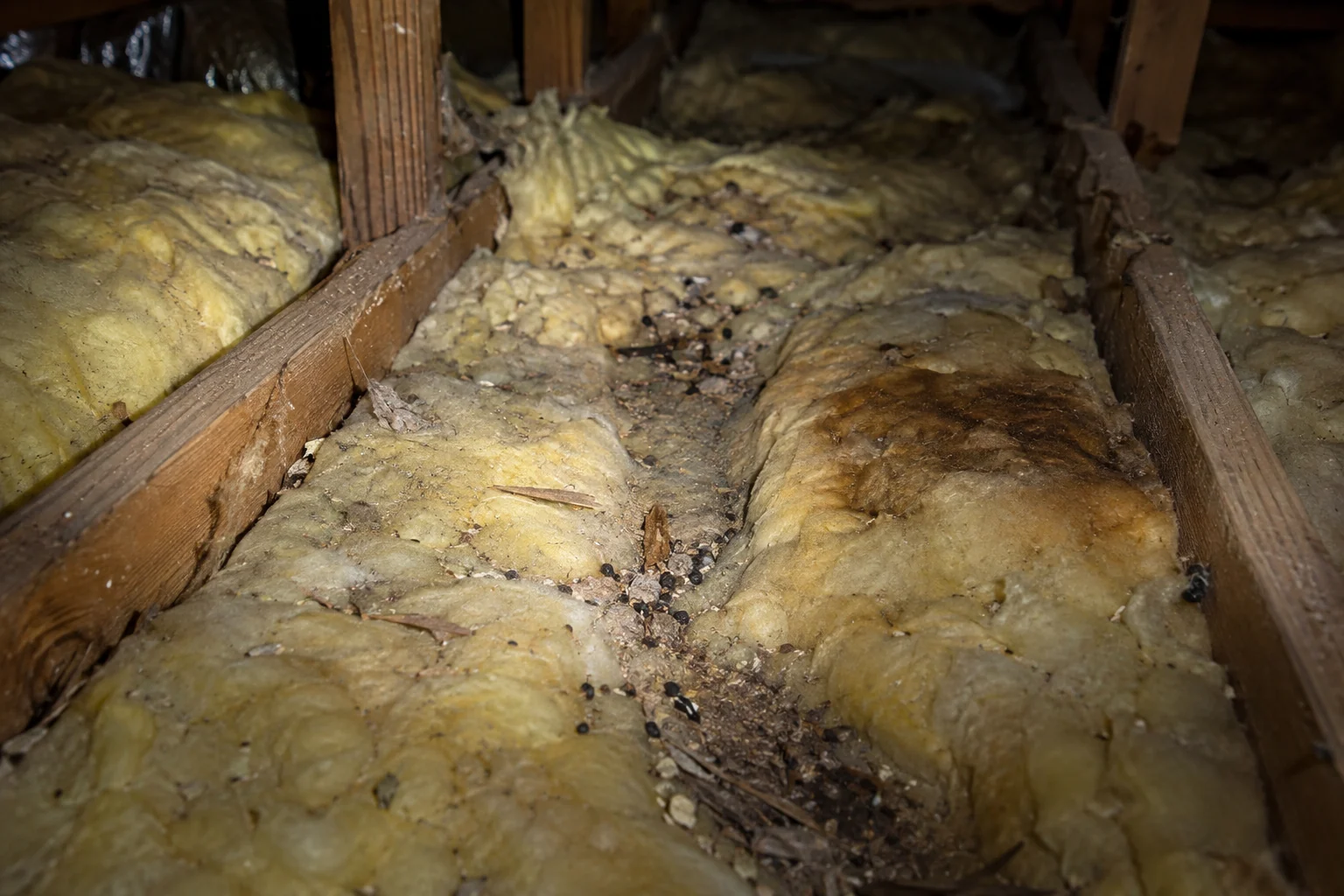
Wet, Compressed, Mold-Affected, or Smoke-Damaged Insulation
- Water stains on ceilings below the attic, often from a past roof or plumbing leak
- Musty or stale odors that get stronger on warm days
- Flattened or clumped insulation that has lost its loft and no longer covers the joists evenly
- Smoke or soot residue after a nearby fire or an attic fire
- Uneven room temperatures or rooms that never feel comfortable
Rodent Activity, Droppings, and Nesting Debris
Scratching sounds at night, droppings near the attic hatch, chewed materials, and visible tunnels or trails through insulation are strong signs of rodent contamination. Droppings and urine soak into insulation fibers, and the odor can draw new animals back. That is why rodent-damaged insulation removal is usually paired with sanitizing and professional rodent proofing, so the attic does not get recontaminated after cleanup.
What to Do If You Suspect Vermiculite or Asbestos
Vermiculite is a loose, pebble-like insulation that is typically gray-brown or silver-gold. If you see it, do not touch it, sweep it, or store items on top of it. The U.S. Environmental Protection Agency advises homeowners to leave vermiculite insulation undisturbed and assume it may contain asbestos, and recommends that any removal be done by a trained, accredited asbestos abatement contractor. This is specialist work that follows separate rules from standard insulation removal.
Insulation Types and Removal Methods
The removal method depends on the type of insulation, how it was installed, and the condition it is in. Most Los Angeles attics contain one of a few common materials.
Fiberglass Batts and Rolls
Batts are pre-cut blankets laid between joists. They are usually removed by hand, carefully bagged in the attic, and carried out so fibers and debris do not spread through the house.
Blown-In Fiberglass and Cellulose
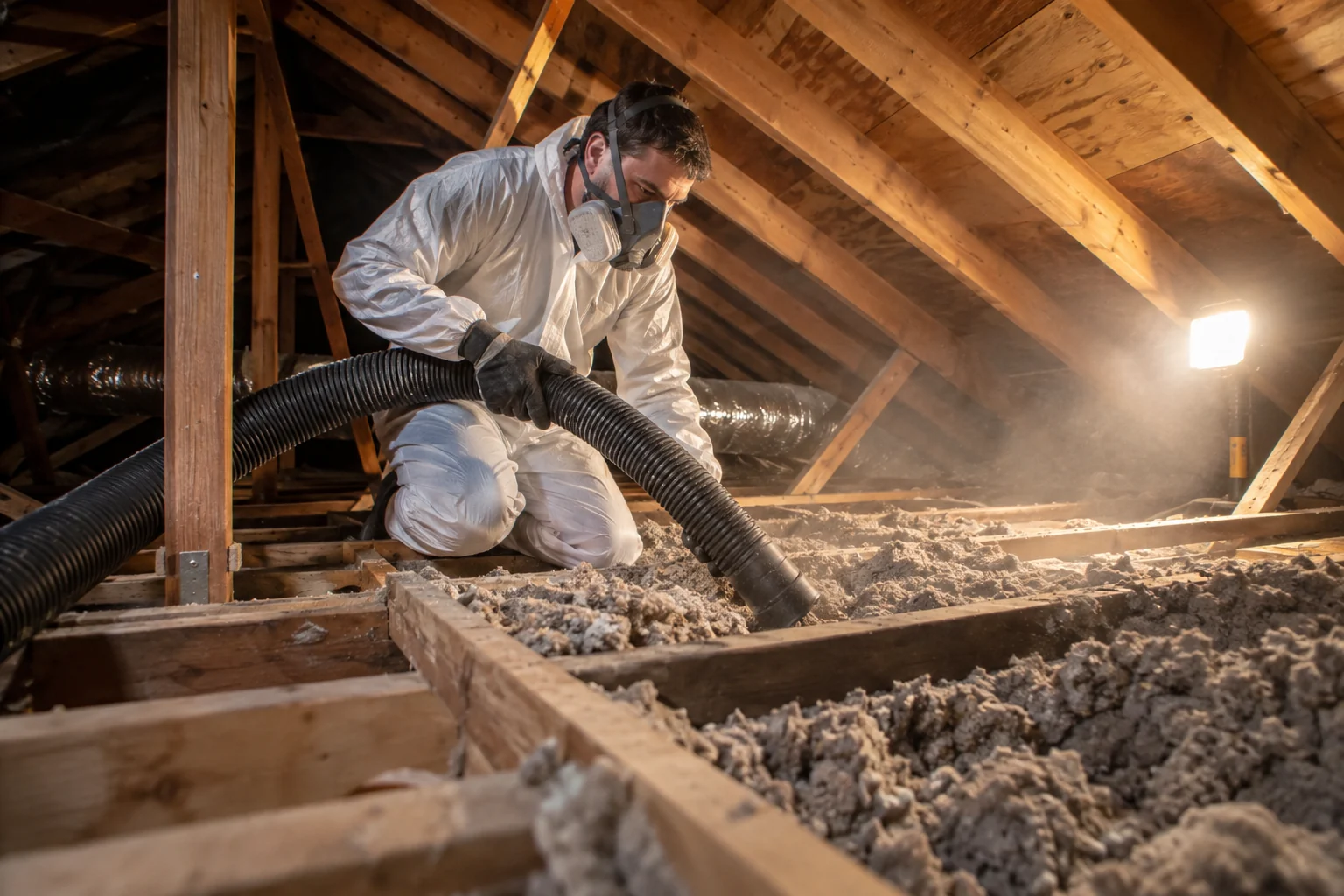
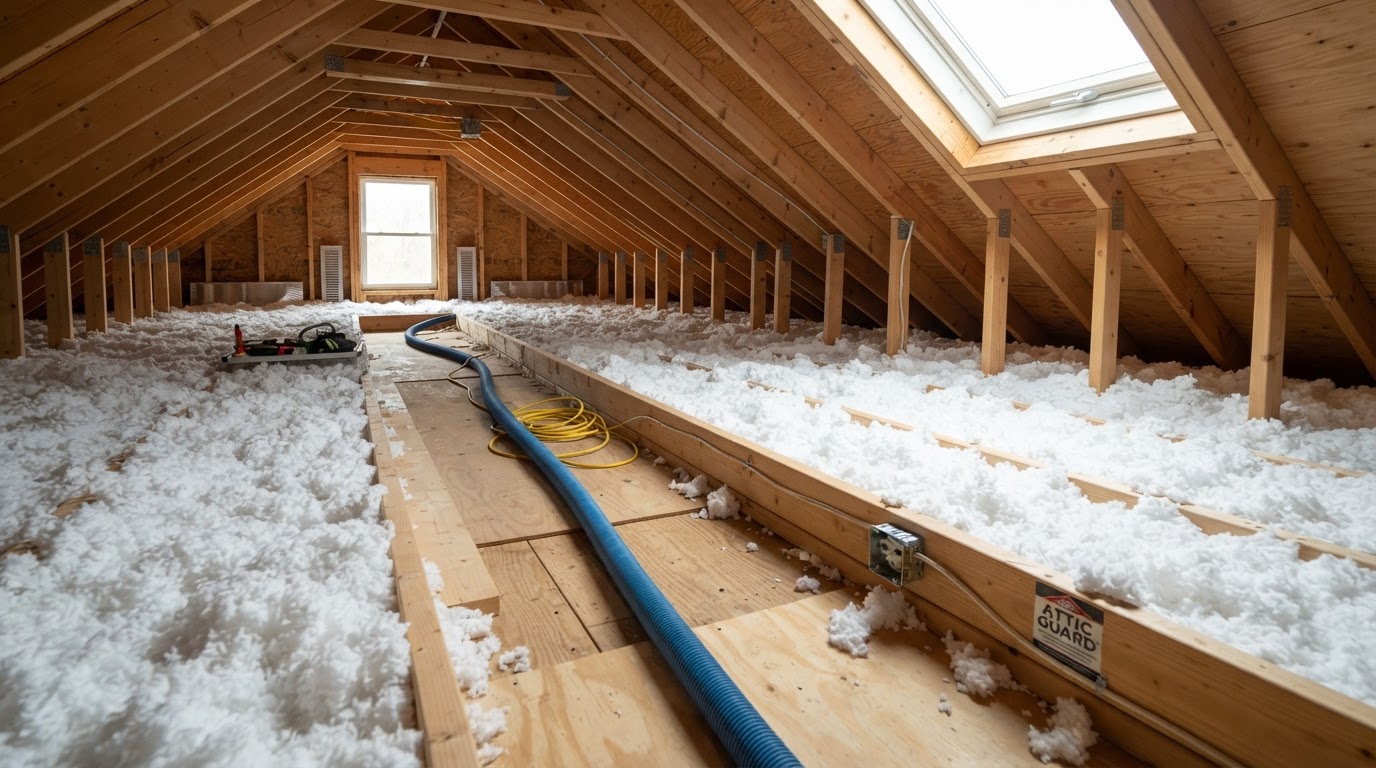
Loose-fill insulation is typically removed with a high-powered vacuum system that pulls material through a sealed hose into collection bags outside the home. This keeps dust out of the living space and removes material from hard-to-reach corners.
Mineral Wool, Spray Foam, and Other Materials
Mineral wool is handled much like batts. Spray foam bonds to the framing and needs different tools and more labor to remove. An inspection will identify what you have before any work is scoped.
Attic vs. Crawl Space Insulation Removal
Crawl spaces bring tighter access, ground moisture, and often more debris, which can make removal slower than in an attic. We also clean crawl spaces and install fresh crawl space insulation and vapor barriers.
What Does a Professional Insulation Removal Visit Include?
A professional insulation removal job should follow a clear sequence you can check. Here is how a typical project works with our team, from first look to final walkthrough.
- Free inspection and written scope. We inspect the attic, identify the insulation type and condition, check for rodent entry points and secondary damage, and explain what we recommend and why.
- Protecting the home. We protect the access route and work area so dust and debris stay contained during removal.
- Extraction. Contaminated, rodent-damaged, or degraded insulation is bagged or vacuumed out, depending on the material.
- Cleanup and sanitizing. The exposed attic floor is vacuumed, disinfected, and deodorized to remove leftover contamination.
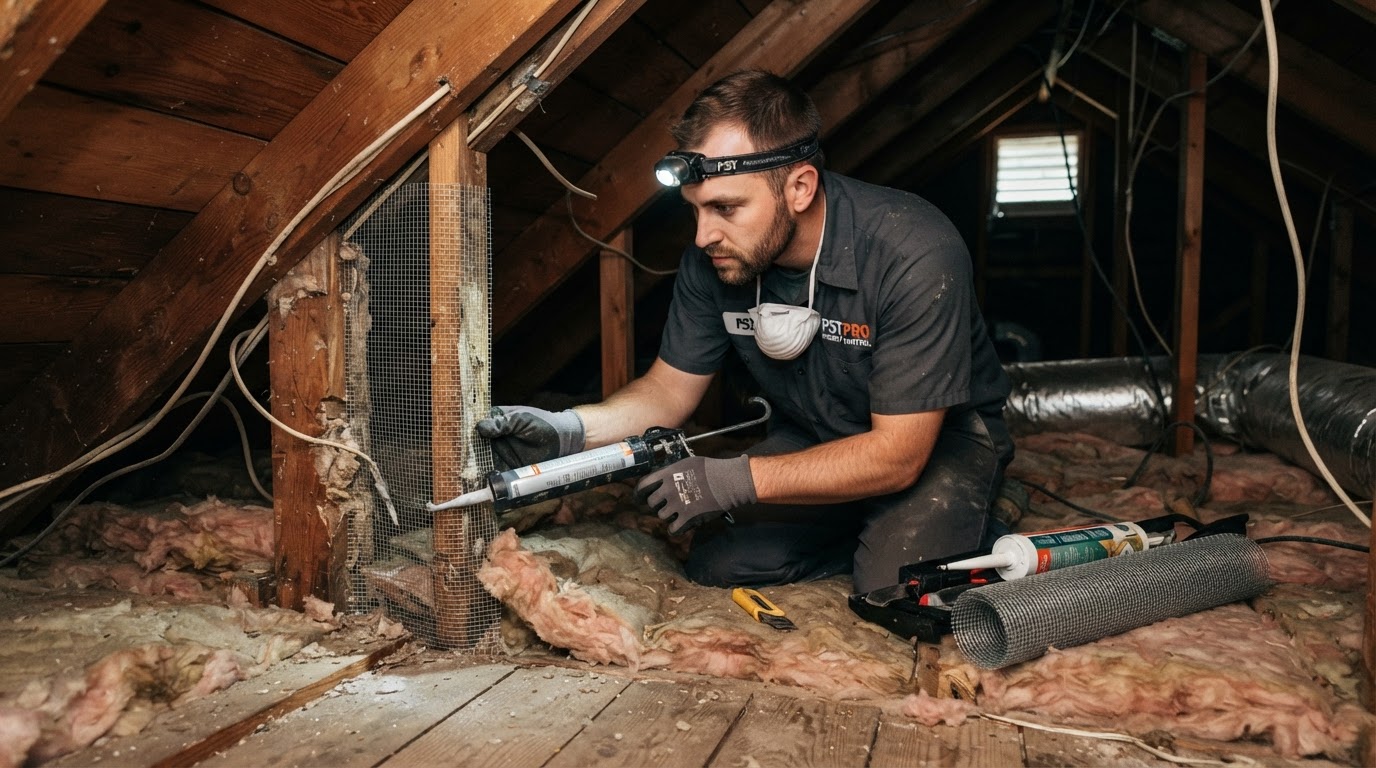
- Sealing. Rodent entry points are sealed and air leaks are closed so new insulation can perform properly.
- Fresh insulation. New blown-in or batt insulation is installed at the right depth and R-value for your home, if replacement is part of the scope.
When Testing or a Separate Specialist May Be Needed
If an inspection turns up suspected asbestos-containing material, extensive mold, or structural damage, that portion of the job may need testing or a separate licensed specialist before removal can continue. A good contractor will tell you this up front rather than working around it.
Not sure what is in your attic? Book a free inspection and get a clear answer before you commit to any work.
How Much Does Insulation Removal Cost in Los Angeles?
Insulation removal cost in Los Angeles depends on attic size, insulation type, how easy the attic is to access, and how contaminated the material is. Published ranges vary widely from one source to the next, so the most reliable number is a written estimate based on an inspection of your attic.
What Changes the Price
| Cost factor | Why it matters |
|---|---|
| Attic square footage | More area means more material, labor, and disposal |
| Insulation type | Loose-fill vacuums out faster than matted batts; spray foam takes the most effort |
| Access and clearance | Low-pitched roofs and tight crawl spaces slow the work |
| Contamination level | Droppings, urine, mold, or smoke add cleaning, sanitizing, and protective steps |
| Removal-only vs. replacement | Adding air sealing, rodent proofing, and new insulation changes the total scope |
What a Written Estimate Should Include
- The area being cleared and whether removal is partial or full
- The type of insulation being removed and the removal method
- Containment, cleanup, sanitizing, and disposal steps
- Any rodent proofing, air sealing, or repairs included
- The type and R-value of any new insulation
- Anything excluded, such as testing or specialist work
Removal-Only vs. Removal and Replacement
Removal-only jobs make sense when you plan to make repairs before reinsulating, or when only a section is affected. Most homeowners choose removal and replacement together because the attic is already open, cleaned, and sealed, which makes it the most practical time to install fresh insulation.
Can You Remove Insulation Yourself?
Removing small amounts of clean, dry batt insulation is possible for some homeowners, but contaminated insulation is a different job. Rodent waste, mold, and fine fibers become airborne when disturbed, and attics are hot, cramped, and full of wiring and ceiling drywall that is easy to step through. Suspected vermiculite or asbestos should never be disturbed by a homeowner.
What to Ask a Contractor Before Work Begins
- Is the contractor licensed and insured, and can you verify it?
- Will they inspect first and explain whether removal is truly needed?
- How will they contain dust and protect the living space?
- Is cleanup, sanitizing, and disposal included in the price?
- Will they seal rodent entry points before installing new insulation?
- Can they show photos of the attic before and after the work?
What Happens After Insulation Is Removed?
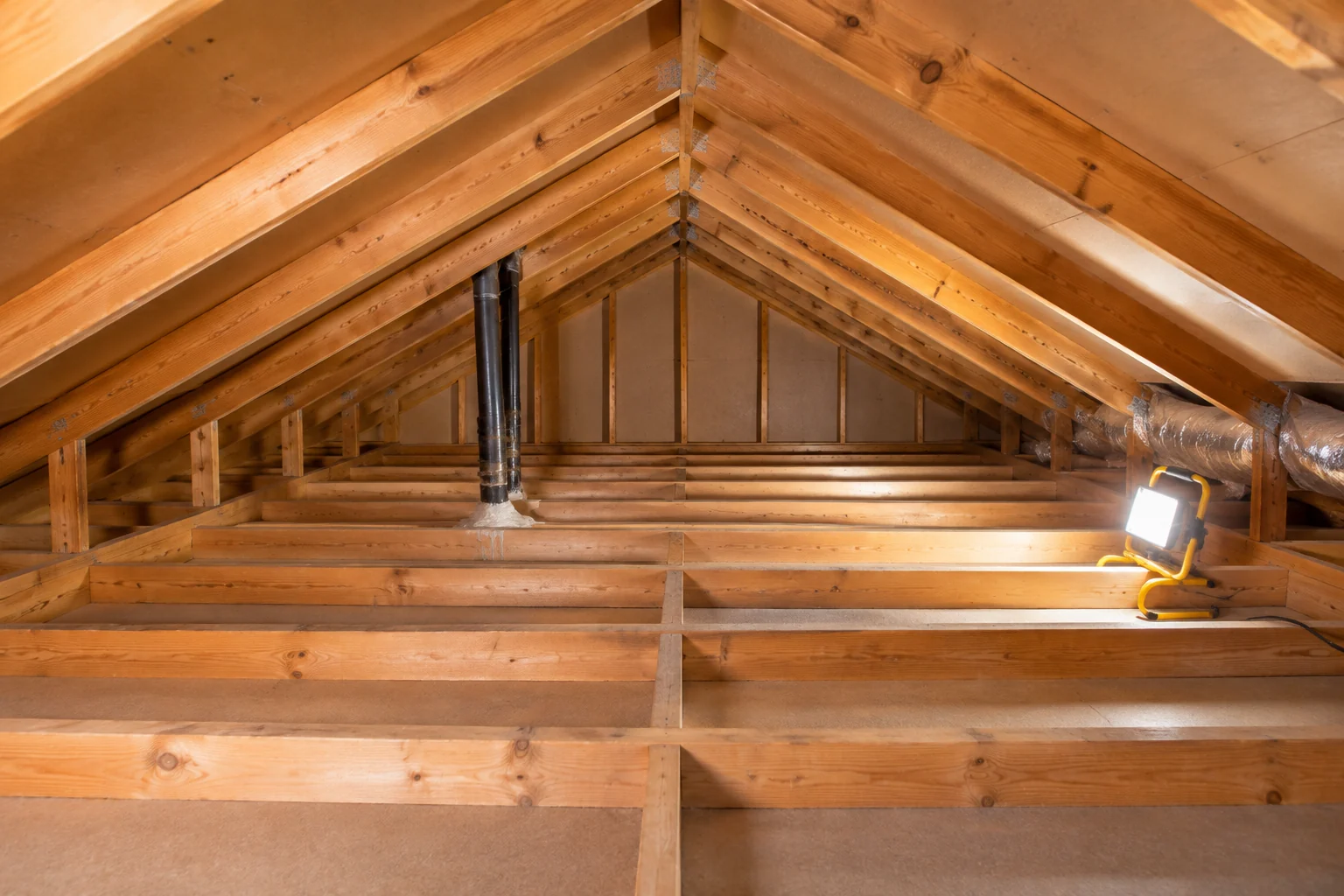
Once old insulation is gone, the attic is at its most accessible. That makes it the best time to fix the issues that caused the problem in the first place.
Cleaning and Documenting the Cleared Space
The exposed attic floor and framing are cleaned and sanitized. This is also the moment to look for chewed wiring, damaged ductwork, or leaks that were hidden under the old material.
Pest Exclusion, Air Sealing, or Repairs Before Reinstalling
Sealing comes before new insulation. Rodent entry points around vents, rooflines, and soffits should be closed so animals cannot return, and attic air sealing closes gaps where conditioned air escapes. Insulation slows heat flow, but it does not stop air from moving through gaps, so sealing first helps new insulation perform as intended.
Choosing Whether and How to Replace Insulation
Most homes are reinsulated with blown-in or batt insulation. The right choice depends on the attic layout, your comfort goals, and the R-value recommended for your home. We will walk you through the options during your estimate so you can choose what fits your home and budget.
Request an Insulation Removal Assessment in Los Angeles
Los Angeles Attic Cleanup provides attic cleanup, insulation removal and replacement, rodent proofing, and air sealing across Los Angeles County and surrounding areas, including Santa Monica, Pasadena, Glendale, Burbank, Long Beach, the San Fernando Valley, and the South Bay. Learn more about our full range of attic services in Los Angeles.
What to Share When Requesting an Estimate
- What you noticed: odors, sounds, stains, droppings, or comfort problems
- Any recent roof, plumbing, HVAC, or pest work
- The approximate age of your home and attic access location
- Photos of the attic hatch area, if you can take them without disturbing anything
Key Takeaways
- Insulation removal is needed when material is wet, contaminated, damaged, or blocking repairs. Age alone is not the deciding factor.
- Clean, dry insulation can often stay and be topped off; contained damage may only need partial removal.
- Never disturb suspected vermiculite or asbestos insulation; it requires a trained abatement professional.
- Cost depends on attic size, insulation type, access, contamination, and whether replacement is included.
- Seal rodent entry points and air leaks before new insulation goes in.
Get a Clear Answer Before You Pay for Removal
The right insulation removal plan starts with knowing what is actually in your attic. Some homes need a full clear-out, others need a small repair and a top-off. Our team inspects first, explains what we find, and gives you a clear estimate for insulation removal in Los Angeles, with cleanup, sealing, and fresh insulation included when you need them.
Schedule Your Free Attic Inspection or call (877) 706-9839 to talk with our team.
Insulation Removal FAQs
Do I need to remove old insulation before adding new insulation?
Not always. If your existing insulation is clean, dry, and evenly spread, new insulation can usually be added on top. If it is contaminated by rodents, mold, or smoke, or has been soaked by a leak, it should be removed first. Covering contaminated insulation traps odors and debris in the attic. An inspection will show which situation you are in.
How long does insulation removal take?
Timing depends on attic size, insulation type, access, and how much cleaning is needed. Loose-fill insulation in an accessible attic generally moves faster than matted batts or a tight crawl space, and adding sanitizing, sealing, and new insulation extends the schedule. We give you a timeline with your written estimate.
How much does insulation removal cost in Los Angeles?
The cost of insulation removal in Los Angeles is based on square footage, insulation type, attic access, contamination level, and whether new insulation is included. Because those factors vary so much from home to home, published price ranges are only a rough guide. A free inspection gives you an itemized estimate based on your actual attic.
Is it safe to stay home during insulation removal?
For most standard removal jobs, homeowners can remain at home while work is done in the attic, because the work area and access route are protected to keep dust contained. If the job involves heavy contamination or a specialist process, your crew may recommend extra precautions. Ask about this when you review your estimate.
Can rodent-damaged insulation be cleaned instead of removed?
Generally no. Droppings and urine soak into insulation fibers and cannot be reliably cleaned out. Rodent-damaged insulation is usually removed, the attic floor is sanitized, and entry points are sealed before new insulation is installed. Limited damage in one small area may only need partial removal, which an inspection can confirm.
What should I do if I think my attic has asbestos insulation?
Do not disturb it. Avoid going into the attic, moving stored items over it, or trying to bag it yourself. The EPA recommends treating vermiculite insulation as if it contains asbestos and using a trained, accredited asbestos abatement contractor for any removal. Let your insulation contractor know about your concern before any work is scheduled.
Does an insulation removal estimate include cleanup and disposal?
It should, but always check. A complete estimate lists removal, containment, cleanup, sanitizing, and disposal, along with any rodent proofing, air sealing, or new insulation. If any of these are missing or listed as extras, ask before you sign so you can compare quotes fairly.
Will removing old insulation lower my energy bills?
Removal by itself does not lower energy bills. Comfort and efficiency improve when the attic is sealed and properly reinsulated after old or damaged material comes out. Results vary by home, roof, HVAC system, and how you use your home, so treat any savings as a likely benefit rather than a guarantee.
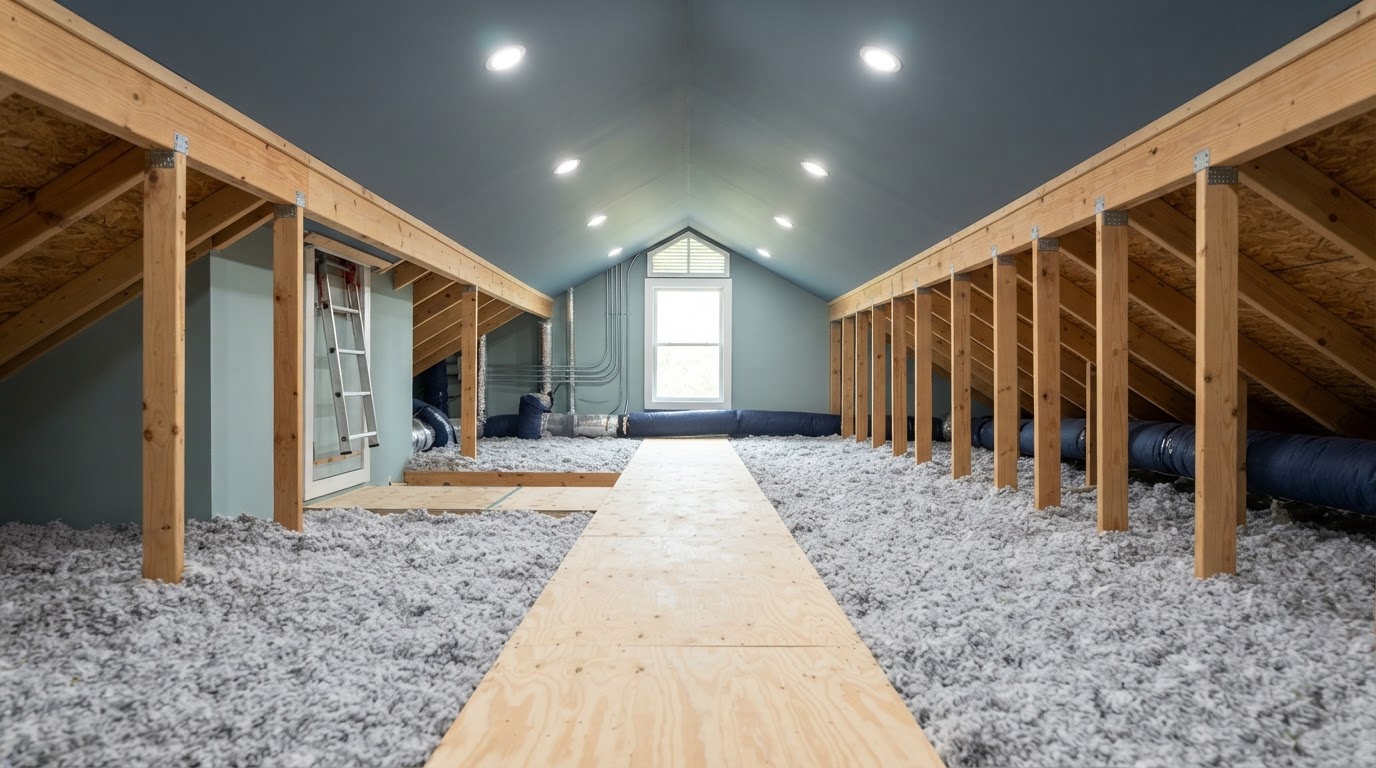
Ready for a clean, safe, energy-efficient attic?
Get a free estimate today. Same-day service available across Los Angeles.