
How Do I Get Rid of Squirrels in the Attic? Safe Steps for LA Homes
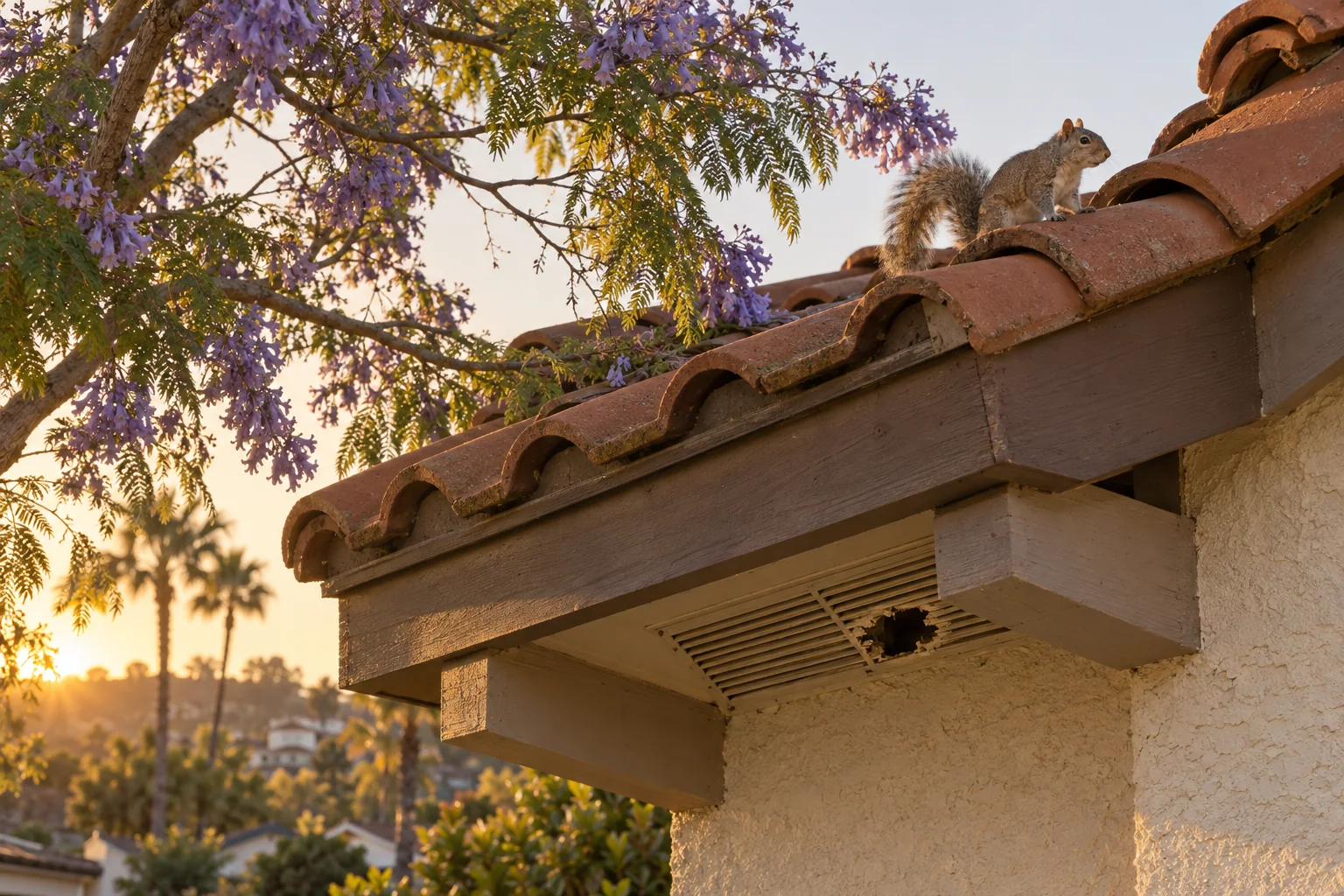
Quick answer: To get rid of squirrels in the attic, do not seal the entry hole or try to handle the animal first. Confirm whether a mother and young are inside, have a qualified wildlife professional remove or exclude the squirrels in line with California rules, verify the attic is empty, and only then permanently repair entry points and clean up contamination.
If you hear scurrying, scratching, or rolling sounds above the ceiling in the early morning or late afternoon, a tree squirrel may have moved into your attic. In Los Angeles, the most common culprit is the non-native eastern fox squirrel, which thrives in neighborhoods full of mature trees, fruit, and power lines. The good news: this is a solvable problem. The bad news: the most common DIY moves, like plugging the hole right away, often make it worse.
This guide walks LA homeowners through the safe order of operations, what to avoid, and what needs to happen in the attic after the squirrels are gone. At Los Angeles Attic Cleanup, we handle that last stage: cleanup, decontamination, insulation replacement, and rodent proofing and entry-point sealing for Los Angeles homes.
Start With the Safest First Move
The safest first move is to observe, not act. Note when you hear activity, look for entry points from the ground, and keep children and pets out of the attic. Do not close any openings until you know whether animals, especially young, are still inside.
- Listen and log. Note the time of day and where in the ceiling sounds come from.
- Look from the outside. Scan the roofline, eaves, and vents from the ground for chewed or enlarged gaps.
- Do not seal anything yet. Trapping a squirrel or nest of babies inside leads to more chewing, odors, and damage.
- Call a qualified wildlife-removal professional for the live animal.
- Plan the cleanup once the attic is confirmed clear.
Signs the Attic Visitor May Be a Squirrel
Tree squirrels are active during the day and do not hibernate, so daytime noise is a strong clue. According to the UC Statewide IPM Program’s tree squirrel guide, they are most active in early morning and late afternoon and often enter attics through gaps or broken vent screens. Other signs include:
- Chewed fascia boards, soffit edges, or vent screens
- Squirrels running along power lines, fences, or overhanging branches toward the roof
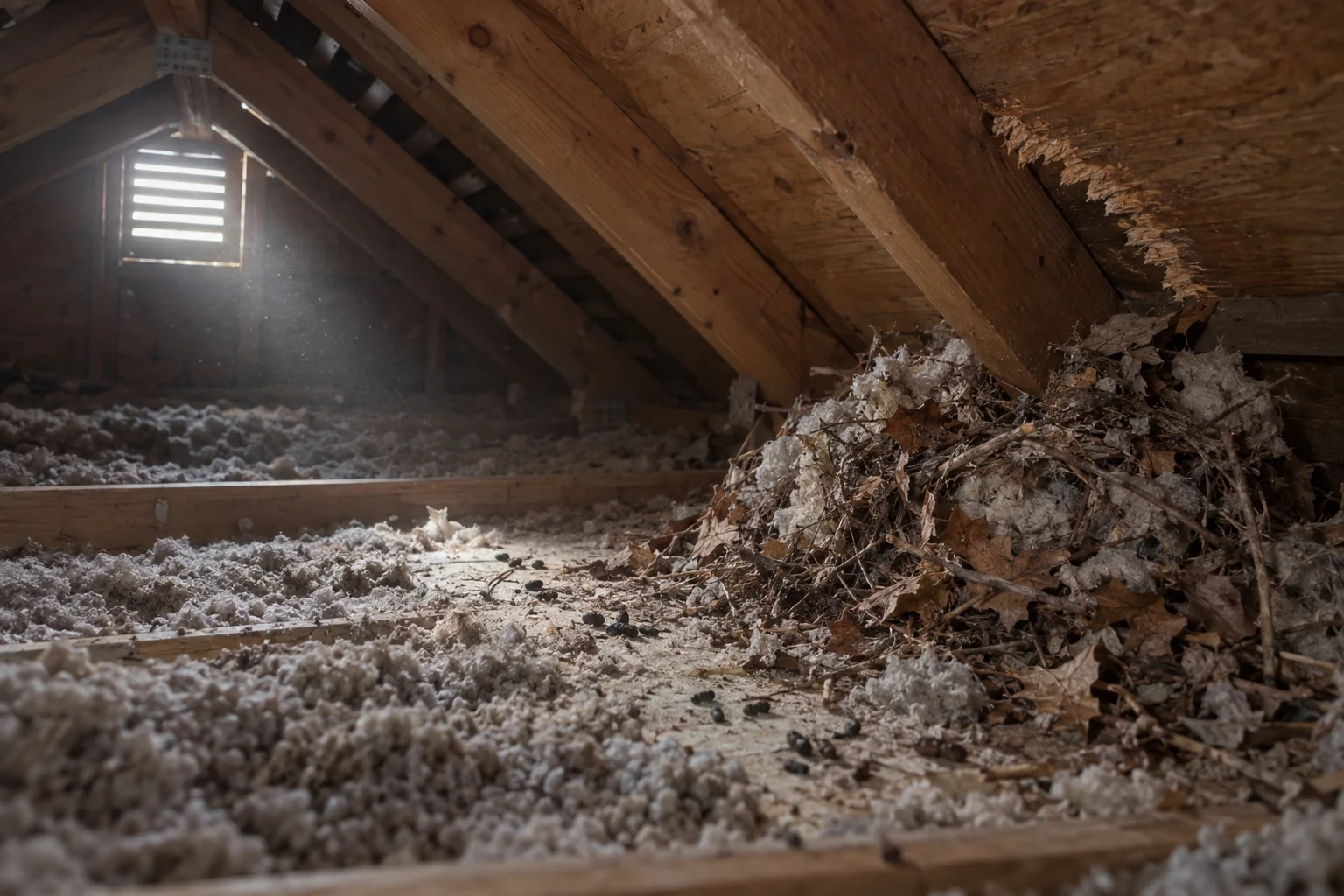
- Shredded leaves, twigs, or insulation piled in a corner
- Droppings larger than a rat’s near the attic access
Nighttime noise usually points to rats, raccoons, or other nocturnal animals instead, which changes the removal approach.
When to Stay Out of the Attic and Call for Help
Stay out if you see an active nest, hear high-pitched chirping (often young), smell strong urine or decay, or notice chewed wiring. Attics are also physically risky: unfloored joists, heat, and contaminated insulation make a quick look easy to regret. A trained professional can inspect safely and identify the species, which matters for what is legal.
How to Confirm What Is Happening Without Disturbing the Nest
Confirming a squirrel problem relies on patterns, not a single clue. Combine daytime activity, entry-point evidence along the roofline, and nesting material to build a picture, then let a professional confirm the species and whether young are present before any removal plan is set.
Daytime Activity, Sounds, Entry Marks, and Nesting Evidence
Watch the roofline for 20 to 30 minutes in the morning from a safe spot outside. Squirrels often use the same entrance repeatedly, and they tend to find openings at roughly the height of the lines and fences they travel on. Fresh chew marks look lighter than weathered wood. Inside, nesting is usually close to the entry point.
Why Signs Alone Cannot Confirm Whether Young Are Present
You often cannot tell from below whether babies are in the nest. UC IPM notes that tree squirrels breed in late winter or spring, with some species producing two litters per year of three to five young. That makes late winter through summer the highest-risk time for sealing an opening too early. An inspection is the only reliable way to know.
Can I Use a One-Way Door if Baby Squirrels May Be Inside?
Not until the young are accounted for. One-way exclusion doors let adult squirrels leave but not return. If babies are still inside and cannot travel, the mother will try hard to get back in, often by chewing a new hole, and the young may die in the attic, creating odor and contamination problems.
Why Premature Sealing Can Make the Problem Worse
A squirrel sealed inside, or a mother sealed out, will gnaw through soffits, vents, or roof sheathing to reach its nest. That means new damage, a bigger repair bill, and possibly a dead animal in the attic. Sealing is the last step of removal, not the first.
What to Ask a Qualified Wildlife Professional
- How will you check for young before installing any exclusion device?
- Which squirrel species is this, and what do California rules allow?
- How will you confirm the attic is empty before sealing?
- Which entry points will you seal, and with what material?
- What is not included, such as insulation removal, cleanup, or decontamination?
Already had the squirrels removed? See what attic cleanup after an animal is gone involves, or call Los Angeles Attic Cleanup at (877) 706-9839 for a cleanup estimate.
What a Safe Squirrel Removal Plan Usually Involves
A safe squirrel removal plan follows a fixed sequence: inspect, choose a method that fits the species and situation, confirm the attic is clear, then seal and restore. The exact method depends on what the inspection finds, the structure of the home, and California wildlife regulations.
Inspect the Attic and Every Likely Access Point
A good inspection covers the full roofline, not just the obvious hole: eaves, overlapping roof sections, gable and soffit vents, chimneys, roof-to-wall transitions, and plumbing or utility penetrations. Squirrels can enlarge small gaps by gnawing, so minor openings count.
Choose an Appropriate Removal or Exclusion Method
Method choice is not one-size-fits-all in California. The California Department of Fish and Wildlife lists five tree squirrel species in the state, and most are classified as game mammals. Per UC IPM, poison baits are illegal for any tree squirrel species, and releasing a tree squirrel elsewhere is illegal without a CDFW permit. That is why the relocation advice in many national guides does not transfer to LA. A licensed professional should choose the method.
Confirm the Attic Is Clear Before Permanent Repairs
Before final sealing, the professional should verify no squirrels remain, for example through monitoring over several days. Only then should permanent, chew-resistant repairs go in.
What Should I Avoid When Squirrels Are in the Attic?
Avoid sealing openings early, using poison, relocating squirrels yourself, improvising exclusion devices, and relying on repellents or noise gadgets. These shortcuts tend to trap animals, break California rules, or simply fail, leaving you with more damage and the same problem.
Do Not Seal an Opening Before Checking for Animals and Young
This is the single most common and costly mistake. Always confirm the attic is empty first.
Do Not Rely on Improvised Devices, Repellents, or Poisons
UC IPM reports that chemical repellents have questionable effectiveness and squirrels quickly get used to sound and visual scare devices. Poison is illegal for tree squirrels and risks a dead animal in your walls or harm to pets and wildlife.
How to Keep Squirrels From Getting Back In
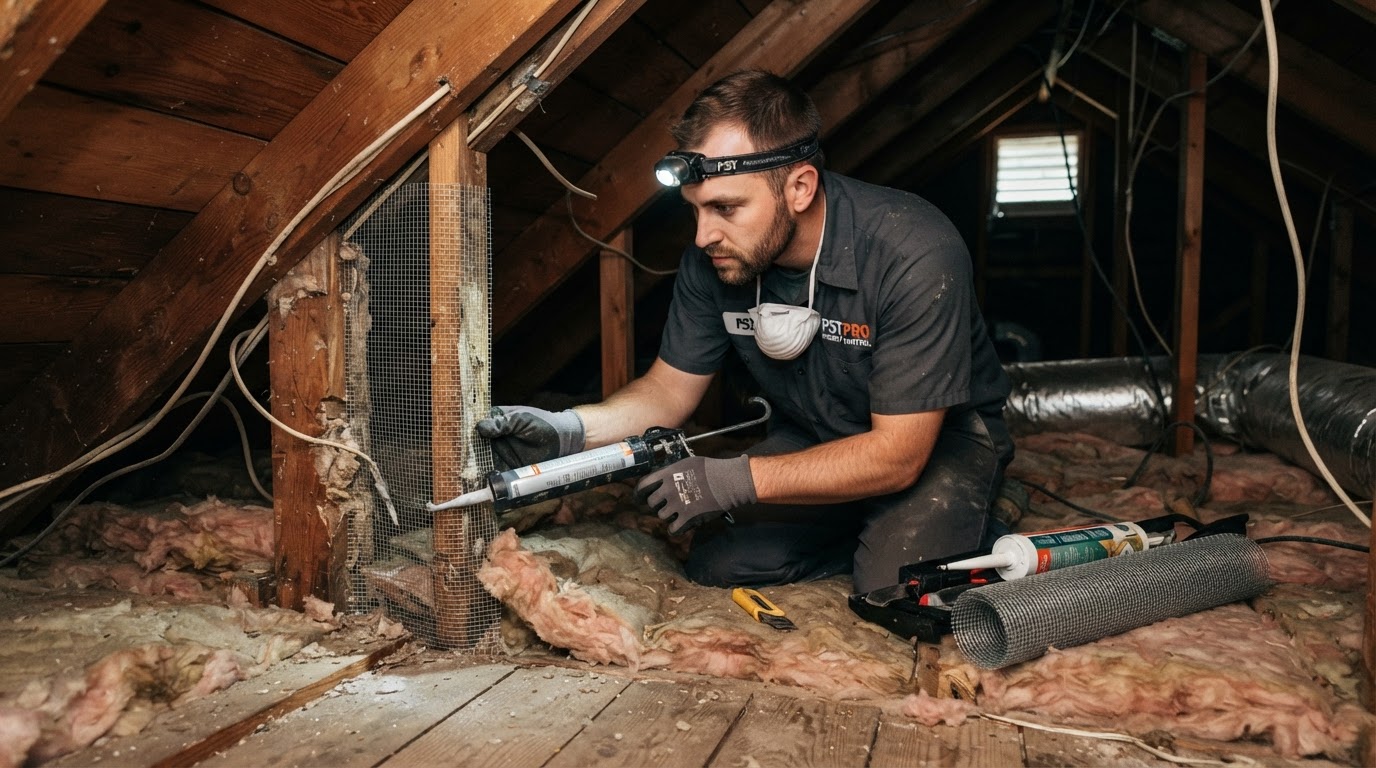
To keep squirrels out of the attic, seal every entry point with chew-resistant material after the attic is confirmed empty, then remove the easy routes to the roof. Removal without exclusion almost always leads to repeat visits, because new squirrels move into the same territory.
Repair Roofline, Fascia, Soffit, and Vent Openings
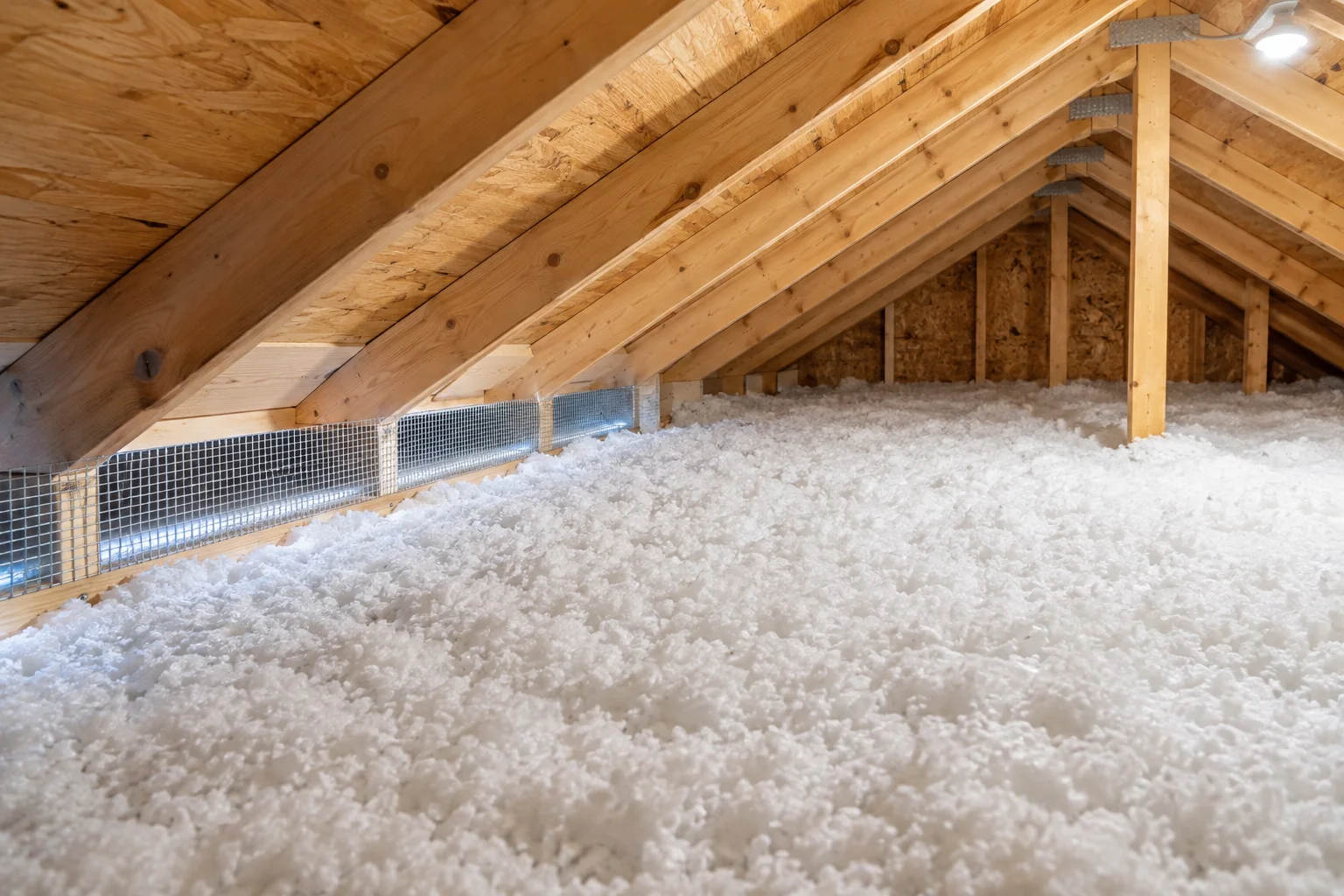
UC IPM identifies sheet metal and 1/4-inch hardware cloth as suitable materials for closing squirrel entrances. Damaged vent screens, rotted fascia, and gaps at roof transitions should be repaired, not just patched with foam squirrels can chew through. Sealing must also preserve proper attic ventilation; our guide to attic insulation and ventilation in LA homes explains why airflow matters.
Review Nearby Branches and Other Access Routes
Trim branches that overhang the roof and limit easy access from fences and lines where practical. Remove attractants such as fallen fruit and pet food left outside.
What Damage and Cleanup May Remain After Removal?
After removal, an attic may still hold droppings, urine-soaked insulation, nesting material, chewed wiring, damaged ductwork, and lingering odors. These problems do not resolve on their own, and scent left behind can attract new animals to the same space.
When Insulation or Contaminated Material Needs Assessment
If insulation is compressed, stained, smells of urine, or contains nesting material, it usually needs professional assessment and often removal. The CDC’s rodent cleanup guidance advises against sweeping or vacuuming droppings without proper precautions, because contaminated particles can become airborne. That guidance addresses rodents generally, but the same caution makes sense for any animal-soiled attic.
Why Removal, Sealing, Cleaning, and Restoration Are Separate Steps
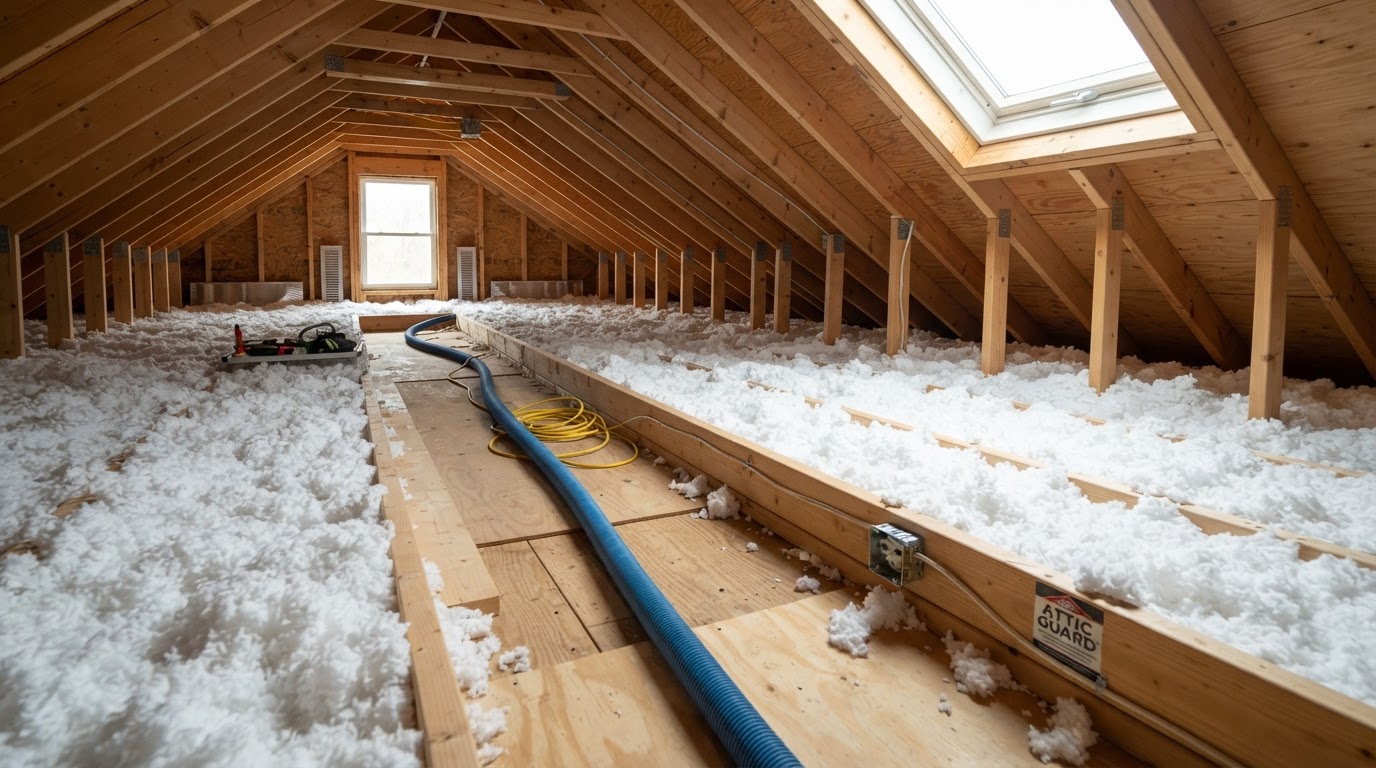
Wildlife removal handles the animal. Attic restoration handles what it left behind. Our process at Los Angeles Attic Cleanup starts with an inspection, then removes contaminated material, sanitizes the space, seals entry points, and installs fresh insulation. Order matters: new insulation over contaminated material only buries the problem.
Squirrels gone but the smell isn’t? Call (877) 706-9839 to schedule an attic cleanup inspection.
What to Ask Before Hiring a Los Angeles Wildlife Removal Company
Ask for a written scope that covers species identification, young-animal checks, the removal method and why it is legal, how the attic will be confirmed empty, exactly which entry points will be sealed and with what, and whether cleanup is included. Gaps in that scope are where repeat problems start. For the restoration side, see what to look for in an attic cleanup company in Los Angeles.
How Do I Stop Squirrels From Coming Back?
You stop squirrels from coming back by pairing confirmed removal with permanent, chew-resistant exclusion and a full cleanup. Removal alone leaves open entry points and scent trails behind, and in squirrel-rich LA neighborhoods, new animals will find them.
Key Takeaways
- Never seal an entry point until the attic is confirmed empty, including young.
- In California, poisoning tree squirrels is illegal and relocation requires a CDFW permit.
- Use a qualified wildlife professional for the live animal and species-specific decisions.
- Seal entry points with chew-resistant materials like sheet metal or 1/4-inch hardware cloth.
- Clean up contamination and restore insulation as a separate, final step.
Frequently Asked Questions
How can I tell if squirrels are still in the attic?
Listen for daytime activity, especially in the early morning and late afternoon, and watch the entry point from outside. Fresh chew marks, new droppings, or disturbed nesting material also suggest activity. A wildlife professional can monitor the opening over several days to confirm no squirrels remain before any permanent sealing is done.
Are baby squirrels in the attic common in Los Angeles?
Yes, they can be. Tree squirrels breed in late winter or spring, and some species have two litters a year. Any time from late winter through summer, assume young may be present until an inspection proves otherwise. That is the main reason entry holes should never be sealed before a proper check.
Can I relocate a trapped squirrel in California?
Generally, no. According to UC IPM, releasing any tree squirrel elsewhere is illegal in California unless a permit is issued by the California Department of Fish and Wildlife, and such permits are unlikely in most situations. Rules vary by species, so a licensed wildlife professional should handle removal decisions.
Do squirrel repellents or ultrasonic devices work?
Usually not for long. UC IPM reports that chemical repellents have questionable effectiveness and that squirrels quickly get used to sound and visual scare devices. Physical exclusion with chew-resistant materials, after the attic is confirmed empty, is the reliable long-term fix.
What damage can squirrels cause in an attic?
Squirrels can gnaw wood, vent screens, and wiring, compress and soil insulation with droppings and urine, and build bulky nests. Chewed wiring is a safety concern worth having inspected. Contaminated insulation also loses performance, which can affect comfort and energy use in the rooms below.
Should I clean the attic after squirrels are gone?
Yes. Droppings, urine, and nesting material stay behind after removal and can cause odors and attract new animals. A professional cleanup typically removes contaminated insulation, sanitizes surfaces, seals entry points, and installs fresh insulation. Avoid sweeping or vacuuming droppings yourself without proper protection.
Does Los Angeles Attic Cleanup remove live squirrels?
Our focus is what comes after removal: attic cleanup, decontamination, insulation removal and replacement, and entry-point sealing across greater Los Angeles. We recommend a qualified wildlife professional for the live animal, then we restore the attic. [Client confirmation required: confirm whether live-animal removal is offered or referred.]
Conclusion: Get Rid of Squirrels in the Attic the Right Way
The answer to “how do I get rid of squirrels in the attic” comes down to order: confirm what is inside, let a qualified professional remove the squirrels legally, verify the attic is empty, seal every entry point, and then clean up and restore. Skip a step and the problem usually comes back.
Once the squirrels are out, Los Angeles Attic Cleanup can handle the rest, from contaminated insulation removal to sealing and fresh insulation. Learn more about our attic cleanup and rodent proofing services or browse the Los Angeles Attic Cleanup blog.
Book your free attic cleanup inspection: call (877) 706-9839.
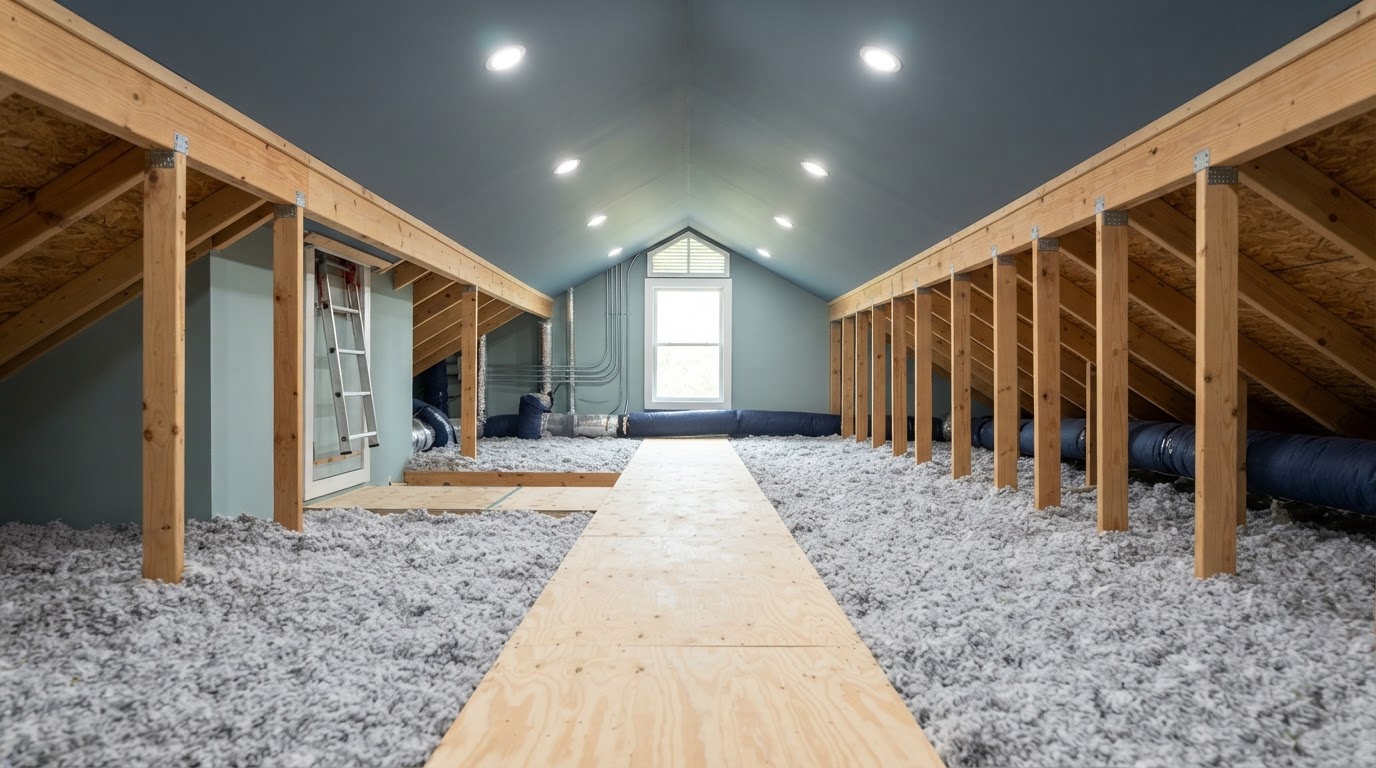
Ready for a clean, safe, energy-efficient attic?
Get a free estimate today. Same-day service available across Los Angeles.