
Crawl Space Ventilation in Los Angeles: Find the Right Fix for Moisture
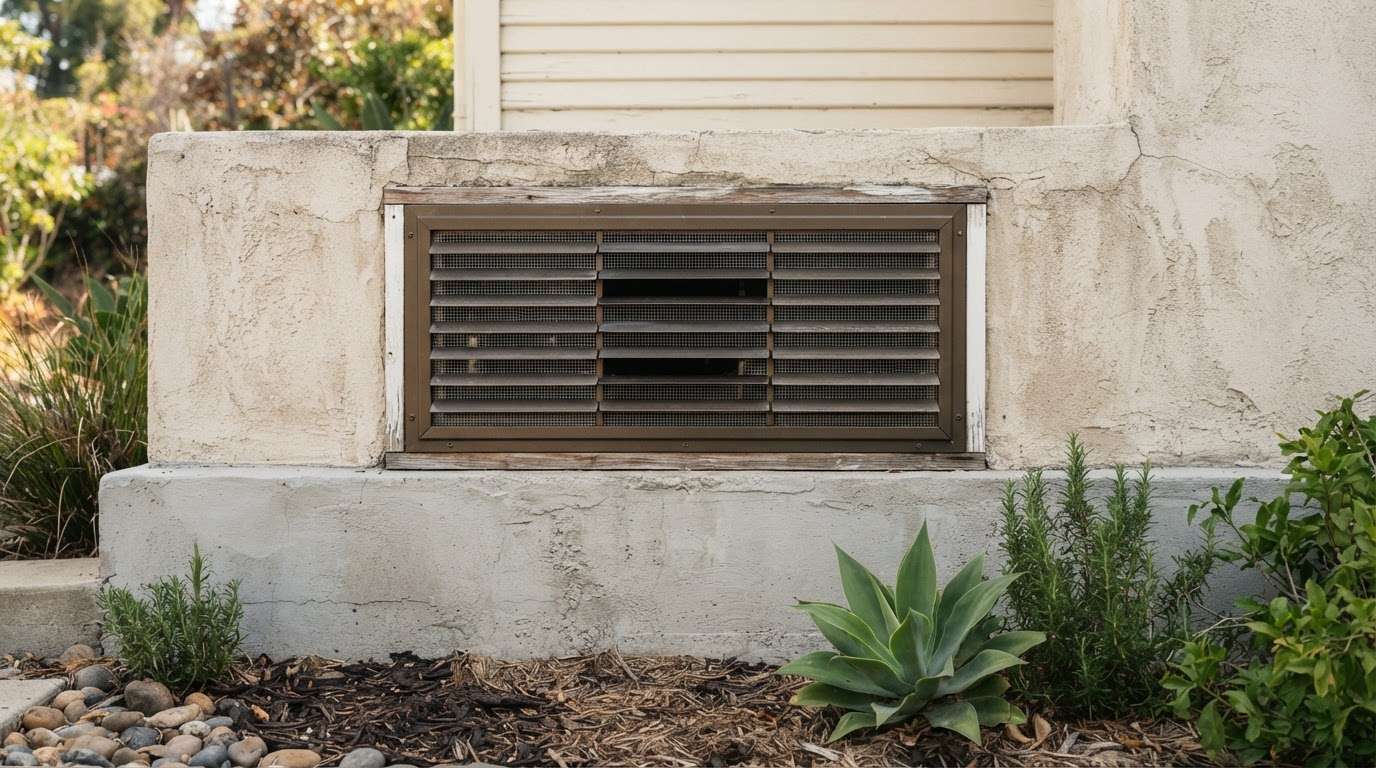
Musty smell coming up through the floor? Damp insulation hanging under the house? Many Los Angeles homeowners assume the fix is more crawl space ventilation. Sometimes it is. Often, the real problem is a leak, poor drainage, ground moisture, or blocked vents, and adding airflow alone will not solve it.
This guide explains what crawl space ventilation does, the signs that something is wrong, how an assessment can find the cause, and how vent repair compares with sealing and moisture-control options. If you already know you have a problem, our crawl space services in Los Angeles start with an inspection and a written recommendation, not a predetermined product.
Request a free crawl space assessment and get a clear answer on what your crawl space needs.
Do Los Angeles Crawl Spaces Need Ventilation?
Direct answer: A crawl space does not always need more outdoor ventilation. The right approach depends on existing airflow, outdoor moisture, ground water, leaks, framing, and local code. An inspection can determine whether vent repair, controlled airflow, or a moisture-control system such as a vapor barrier and air sealing is the right next step.
Many older Los Angeles homes, especially raised-foundation bungalows and mid-century houses, were built with vented crawl spaces. The question is not simply "vents or no vents." It is whether the current setup is keeping the space dry, clean, and sound.
What Crawl Space Ventilation Is Meant to Do
Crawl space ventilation lets outside air move through the space under a home. The idea is that air entering on one side carries moisture out the other side, helping keep framing, insulation, and ductwork dry. For that to work, vents need to be open, unobstructed, and placed so air can cross the space rather than stall in corners.
Why Outdoor Air Does Not Solve Every Moisture Problem
Outside air only dries a crawl space when it is drier than the air already under the house. The U.S. Department of Energy's Building America program explains that in humid conditions, outdoor air can carry more moisture into a crawl space. Ventilation also cannot remove water from a plumbing leak, a downspout that drains toward the foundation, or soil that stays wet. Those sources need to be fixed directly.
Signs of a Crawl Space Airflow or Moisture Problem
Symptoms tell you something is off, but they do not identify the cause. Use these signs as a reason to have the space assessed, not as a self-diagnosis.
Musty Odors, Damp Surfaces, or Standing Water
A stale, earthy smell inside the home, condensation on pipes or ducts, damp soil, or puddles under the house can point to excess moisture. Standing water usually means a drainage or leak problem that ventilation alone will not fix.
Blocked or Damaged Foundation Vents
Vents covered by soil, plants, stored items, or debris stop airflow. Torn or missing vent screens are another concern because they can provide rodents and other animals an easy way under the house.
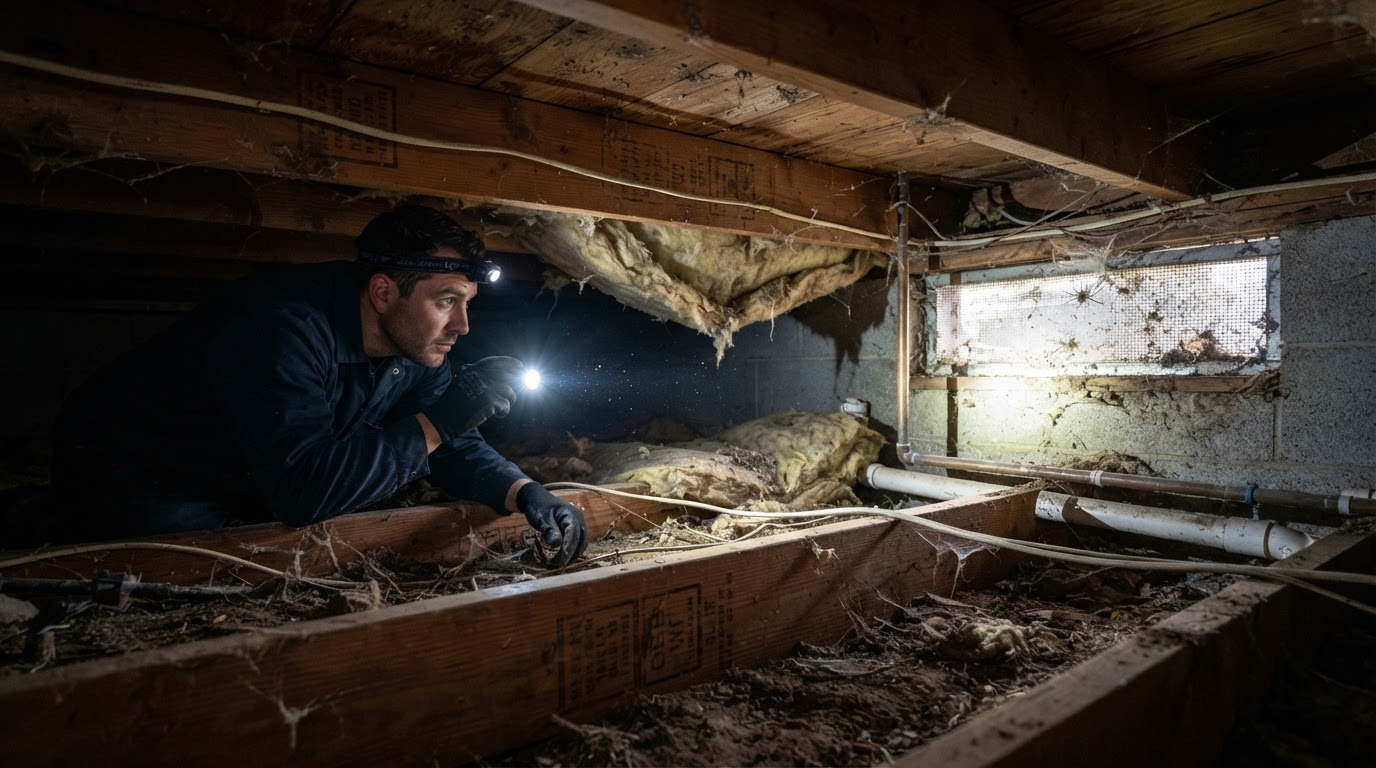
Wet, Fallen, or Contaminated Insulation and Ductwork
Insulation that sags, falls from the joists, or feels damp is a sign of moisture. Droppings, nesting material, or torn ducts suggest pest activity that needs cleanup before ventilation or sealing work.
Wood Damage, Pests, and Floor Comfort Changes
Dark staining on joists, soft wood, cold or uneven floors, and recurring pest activity are worth a closer look. These signs can have several causes, which is why a careful assessment matters more than a quick product recommendation.
What a Proper Crawl Space Assessment Checks
A useful assessment looks for causes, not just symptoms. It should cover airflow, moisture sources, the condition of the structure and building materials, and anything that affects safety. Our crawl space cleaning service includes an inspection and a written report of findings and recommendations.
Existing Vent Layout, Blockage, and Cross-Flow
- How many vents there are and where they sit on the foundation
- Whether vents are open, clear, screened, and intact
- Whether air can cross the space or gets trapped by framing, ducts, or stored items
Ground Moisture, Grading, Drainage, and Leaks
- Damp or wet soil and any standing water
- Grading, gutters, and downspouts that send water toward the foundation
- Plumbing leaks and HVAC condensation lines
Framing, Insulation, Ducts, and Pest Contamination
- Staining, softness, or visible damage on joists and subfloor
- Insulation that is wet, fallen, or soiled
- Leaky, torn, or contaminated ductwork
- Droppings, nesting, and entry points for rodents
Appliances, Access, and When a Specialist Is Needed
Some issues need another trade. Fuel-burning appliances in or near the crawl space, significant structural damage, major plumbing failures, or electrical problems should be referred to the right licensed professional. A good assessment says so plainly.
Crawl Space Ventilation and Moisture-Control Options
There is no single best crawl space ventilation setup. The right option depends on what the assessment finds and what the home needs.
| Option | When it may fit | What it cannot solve | What to check first |
|---|---|---|---|
| Clear or repair existing vents | Vents are blocked, damaged, or missing screens in an otherwise dry space | Leaks, poor drainage, or wet soil | Vent count, placement, cross-flow, and pest entry |
| Mechanical airflow or humidity controls | Passive vents cannot move enough air and the moisture source is controlled | Bulk water, leaks, or a missing ground cover | Moisture source, power access, and code requirements |
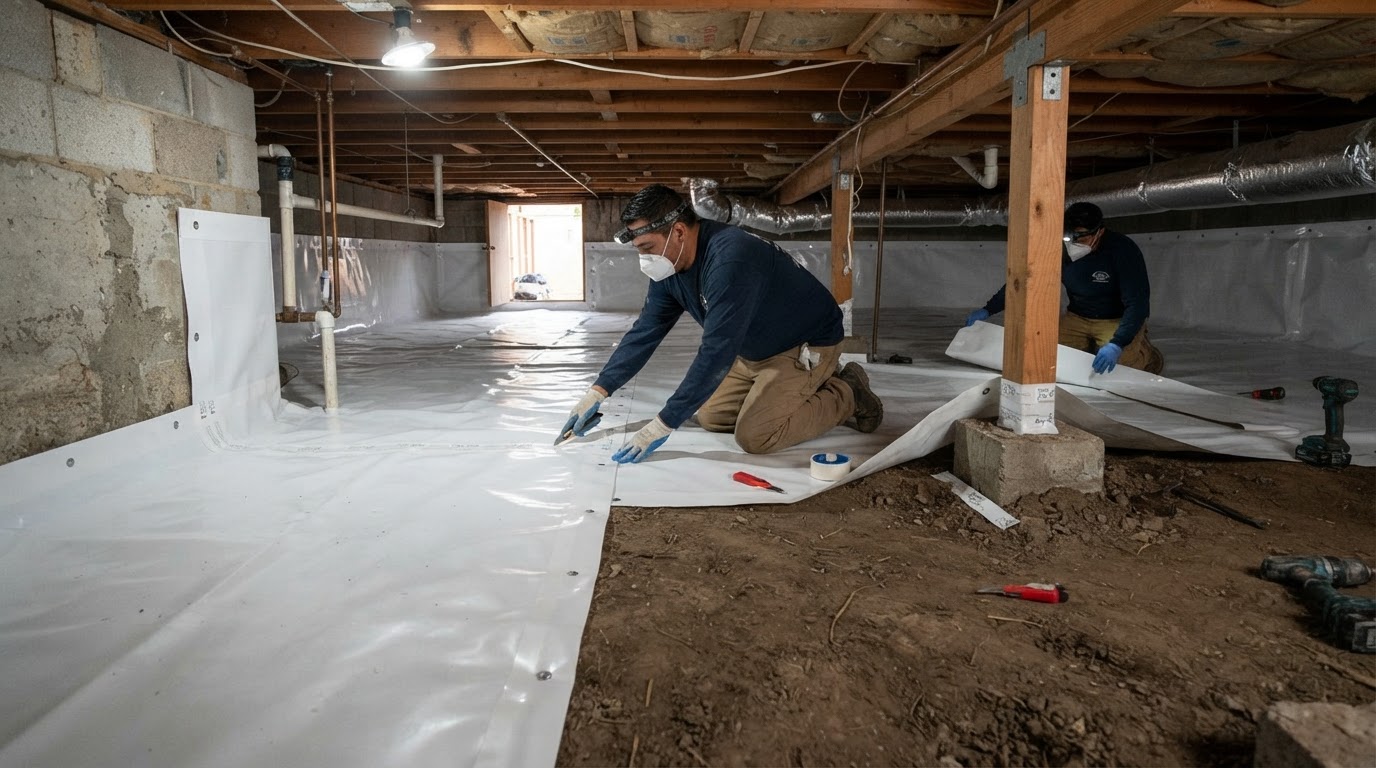
| Vapor barrier | Ground moisture is rising from bare soil | Plumbing leaks or water entering from outside | Soil condition, drainage, and existing debris |
| Air sealing and encapsulation | The home is a good candidate for a sealed approach after a full review | Problems that need drainage or structural repair first | Code, combustion appliances, and the moisture-control plan |
| Cleanup, insulation, and duct repair | Contamination, damaged insulation, or leaky ducts are present | The underlying moisture or pest cause on its own | Contamination level, pest entry points, and duct condition |
Repairing or Clearing Existing Vents
If the space is mostly dry and vents are simply blocked or damaged, clearing them and restoring screens may be the most practical fix. Screens should keep animals out without choking airflow.
Mechanical Airflow or Humidity Controls
Some homes use fans or humidity-controlled systems when passive vents are not enough. These only make sense after the moisture source is fixed, and they need to suit the home and local code.
Vapor Barrier, Air Sealing, or Encapsulation
A vapor barrier covers the crawl space floor to block ground moisture. The U.S. Department of Energy's vapor retarder installation guidance treats ground cover as a core step in controlling crawl space moisture. Air sealing closes gaps between the crawl space and living area. Full encapsulation goes further and changes how the space is managed overall.
Drainage, Cleanup, Insulation, and Duct Repairs
Fixing ventilation without cleaning up contamination or replacing wet insulation leaves the problem half solved. We offer crawl space cleaning, rodent proofing, insulation replacement, and duct repair so the whole space is addressed, not just airflow. Drainage and grading corrections may need a separate specialist.
Not sure which option fits your home? Book a crawl space inspection and get a written recommendation.
Ventilation vs. Encapsulation: How to Compare Them
Crawl space ventilation and encapsulation are different strategies for managing moisture, and each depends on the rest of the home.
When an Open, Vented Setup May Remain Appropriate
A vented crawl space can work well when vents are clear and well placed, the ground is covered, water is directed away from the foundation, and there are no leaks. For many raised-foundation homes in Los Angeles, keeping the vented design and fixing what is broken may be a reasonable, lower-disruption path.
What a Sealed or Conditioned Approach Also Requires
Closing vents is not a shortcut. Building Science Corporation's guidance on conditioned crawl spaces shows that a sealed approach depends on the full assembly: ground cover, air sealing, insulation, and a plan for controlling moisture. Sealing a crawl space without those pieces can trap moisture instead of removing it.
Los Angeles Code and Safety Checks Before Changing Vents
Crawl space ventilation rules depend on the current California Residential Code, local amendments, and the specific property. Requirements can change between code editions, so older vent formulas found online should not be treated as current law.
Why Vent Sizing and Closure Should Not Be Guessed
Adding, removing, or closing vents changes how the space handles moisture. Vent sizing and changes to a sealed approach should be confirmed by a qualified professional and, where required, the local building department.
Combustion Appliances, Flood Conditions, and Permits
Fuel-burning appliances need adequate combustion air, so sealing a space that contains them requires extra care. Properties in flood-prone areas can have their own foundation vent requirements. Some work may require a permit, so check with the authority having jurisdiction before major changes.
What to Expect From a Crawl Space Service Visit
A clear process helps homeowners avoid paying for work they do not need.
- Inspection and photo documentation: Vents, moisture, insulation, ducts, framing, and pest activity are inspected and documented.
- Written scope, estimate, and homeowner approval: You receive findings and recommended options. Work starts only after you approve the scope.
- Cleanup and verification: Approved work is completed, the space is checked, and you receive a summary of what was done.
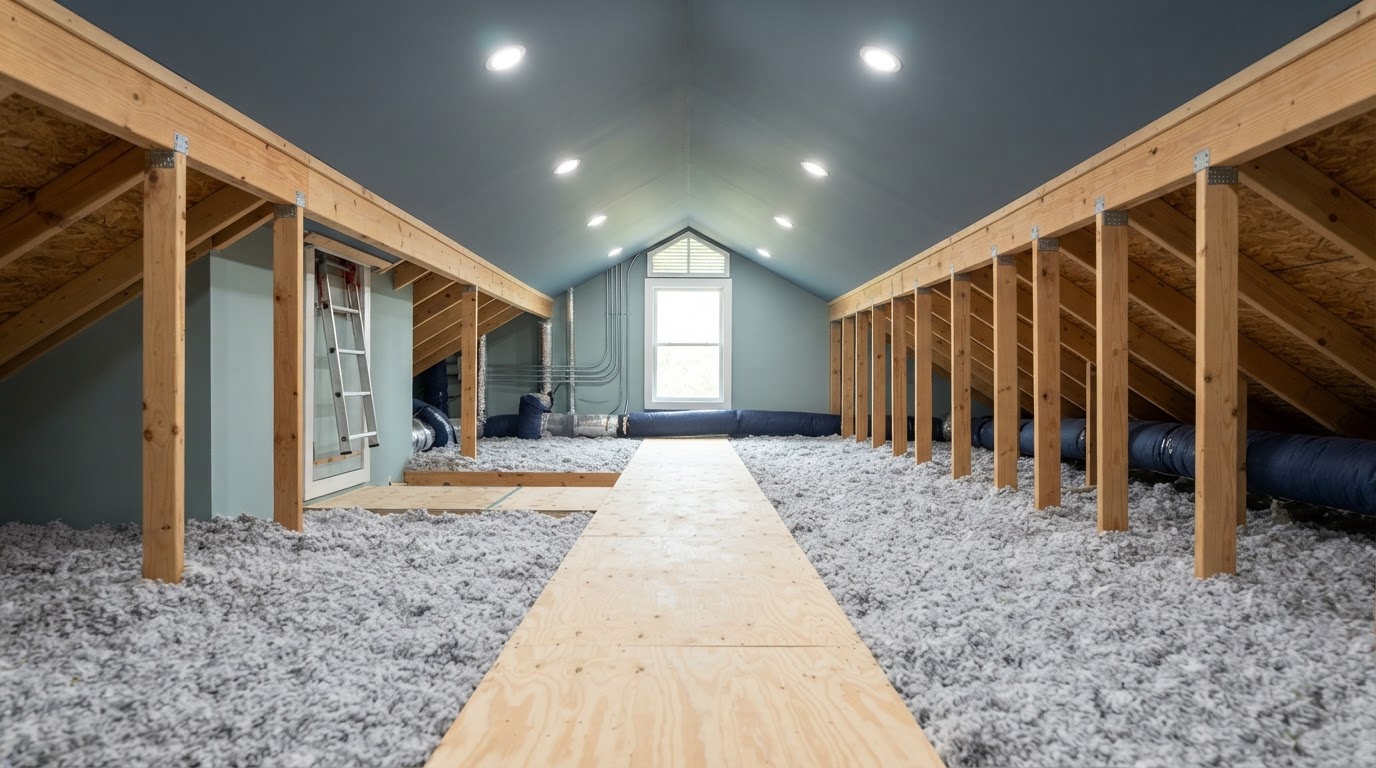
If you are also dealing with ductwork, insulation, or air sealing above the crawl space, see our attic services in Los Angeles.
What Affects Crawl Space Ventilation Project Cost?
Every crawl space is different, so cost depends on what an inspection finds. Common factors include:
- Size of the crawl space and ease of access
- Amount of debris, droppings, or contamination to remove
- Whether water is entering the space and from where
- Number and condition of existing vents and screens
- Electrical work needed for mechanical systems
- Vapor barrier coverage and air-sealing scope
- Insulation removal and replacement
- Duct repair or replacement and any wood repairs
A good written estimate should itemize the work so you can see what you are paying for. The company states that estimates are free.
Frequently Asked Questions
Do crawl spaces need ventilation in Los Angeles?
Many Los Angeles homes were built with vented crawl spaces, and in a dry, well-drained space with ground cover, working vents can do their job. Other homes need moisture control beyond ventilation. The right answer depends on airflow, moisture sources, structure, and current code. An inspection is the reliable way to know which approach fits.
Can crawl space ventilation prevent mold?
Ventilation can help keep a dry crawl space dry, but it cannot prevent mold on its own. If water comes from leaks, poor drainage, or wet soil, those sources must be fixed. Existing mold and contamination also need proper cleanup. Ventilation is one part of moisture control, not a cure.
Should I install a crawl space ventilation fan?
A fan can help in some homes, but only after the moisture source is controlled. Installing a fan in a crawl space with a leak or wet soil can simply move damp air around. Fan type, placement, and power needs should be assessed for the home and checked against local code.
Is a vapor barrier the same as crawl space ventilation?
No. A vapor barrier covers the ground to block moisture rising from soil, while ventilation moves air through the space. They can work together: a ground cover reduces the moisture load, and ventilation or other controls manage what remains. Encapsulation goes further by sealing the space as part of a complete system.
How do I know if my crawl space vents are blocked?
Look for vents covered by soil, plants, mulch, or stored items. From inside, check for stale air, damp surfaces, or corners where debris collects. Damaged or missing screens can also let pests in. An assessment can check vent layout and cross-flow if you are unsure.
Should I close my crawl space vents?
Not without a full plan. Closing vents changes how the space handles moisture, and a sealed crawl space usually needs ground cover, air sealing, insulation, and a moisture-control strategy. Combustion appliances and code requirements also matter. Have a qualified professional review the home before closing or covering vents.
What is included in a crawl space inspection?
A thorough inspection checks vents and airflow, moisture and standing water, drainage, leaks, framing, insulation, ductwork, and pest activity. Homeowners should receive documented findings and recommended options. The company says its crawl space inspections include a written summary to help homeowners decide on next steps.
Key Takeaways
- Crawl space ventilation helps only when outside air is drier than the air under the house and the moisture source is controlled.
- Leaks, drainage problems, and wet soil must be fixed directly; more vents will not remove them.
- Ventilation and encapsulation are different strategies, and sealing requires a complete moisture-control plan.
- Vent changes should follow current California code and a qualified professional's review.
- A cause-first inspection with a written scope helps avoid paying for the wrong fix.
Request a Crawl Space Assessment in Los Angeles
The right crawl space ventilation fix starts with knowing what is causing the problem. Los Angeles Attic Cleanup inspects crawl spaces, documents findings, and provides options for cleanup, rodent proofing, air sealing, insulation, duct repair, and vapor barrier installation.
Share any odors, water, pest activity, or vent concerns to get next steps. The company states it serves Los Angeles and surrounding areas.
Get Your Free Crawl Space Estimate or call (877) 706-9839.
Want to learn more first? Browse the attic and crawl space blog for practical homeowner guides.
Ready for a clean, safe, energy-efficient attic?
Get a free estimate today. Same-day service available across Los Angeles.