
Attic Storage in Los Angeles: What to Store and When to Clear It Out
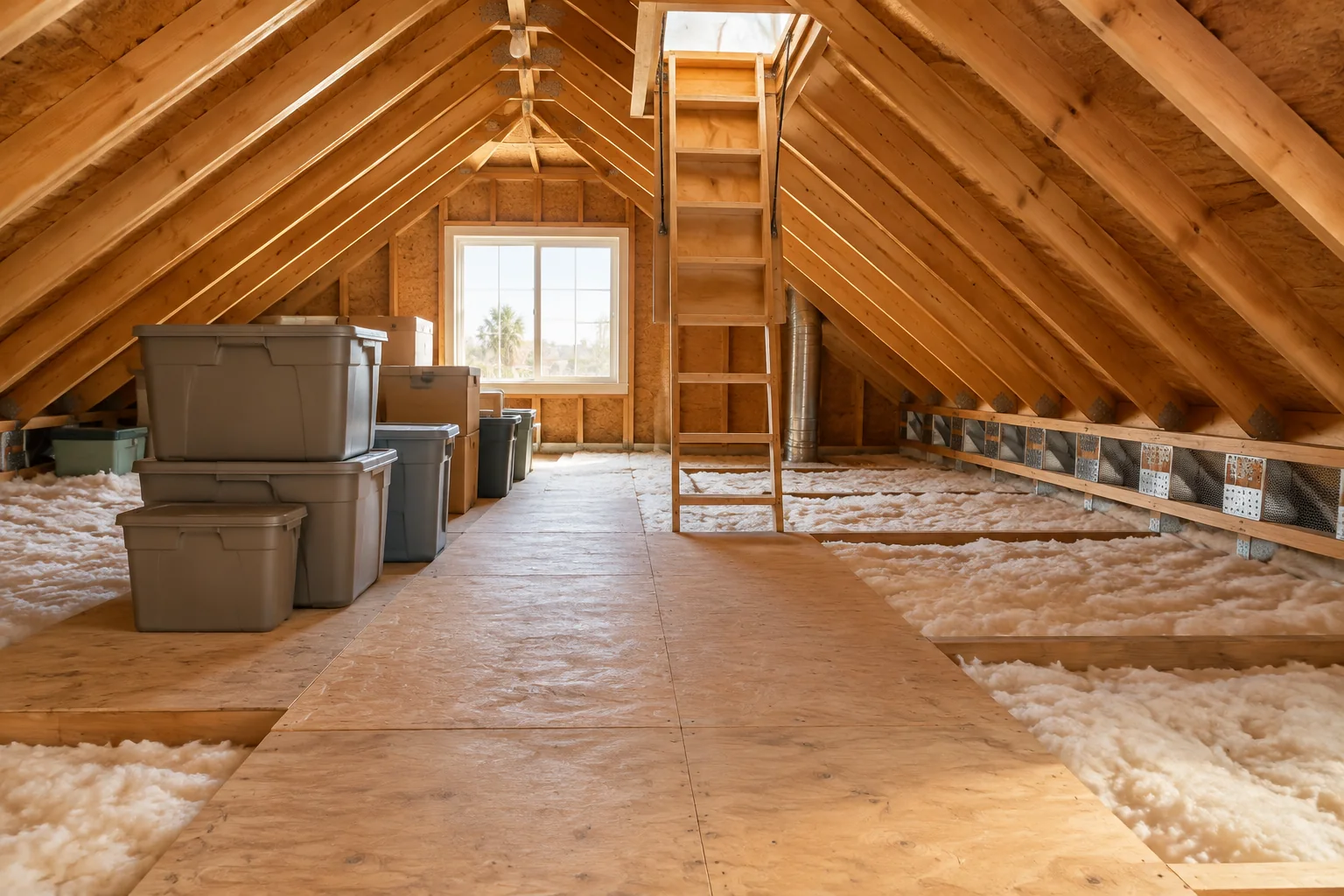
Attic storage can free up closets and keep seasonal belongings out of the way, but an attic is not automatically a safe or suitable storage room. Before moving boxes upstairs, Los Angeles homeowners should consider the attic’s access, walking surface, moisture history, ventilation, insulation, and any signs of pests. The right decision may be to store a few durable items, move sensitive belongings elsewhere, or clear the attic before organizing it.
Can you safely store belongings in your attic?
Direct answer: Sometimes. Use an attic for occasional storage only after its access, walking surface, and condition have been checked. Keep durable, replaceable items in secure containers, and store heat- or moisture-sensitive belongings elsewhere. Do not add weight to an uncertain floor or disturb suspected pest-contaminated material. If you find moisture, odors, droppings, nesting, or damaged insulation, pause and arrange an appropriate assessment before reorganizing.
For a storage question that turns out to be a cleanup issue, request a free attic estimate from Los Angeles Attic Cleanup or call (877) 706-9839. A storage guide is not a substitute for an inspection of a particular home.
In this guide
- Key takeaways
- What to check first
- What to store, relocate, or inspect
- How to set up attic storage
- When to clear out an attic
- Los Angeles attic considerations
- When professional cleanup may help
- Attic storage FAQs
Key takeaways
- Check attic access and condition before carrying items upstairs; never assume the whole attic floor is safe to walk on or store weight on.
- Use the attic only for durable, infrequently used belongings that can tolerate the space’s conditions.
- Keep valuables and temperature- or moisture-sensitive items in a more stable indoor location.
- Pause before organizing if you notice water, musty odors, droppings, nests, damaged insulation, or other signs of a larger attic problem.
What should you check before storing anything in your attic?
Start with the space, not the storage bins. Attics differ by home, age, layout, and prior repairs. From the hatch, look for obvious concerns without stepping onto an unknown surface or moving insulation. If access is awkward, the attic is poorly lit, or the route is unclear, do not carry boxes in until a qualified person has assessed how the space can be accessed safely.
Look at access and the walking surface
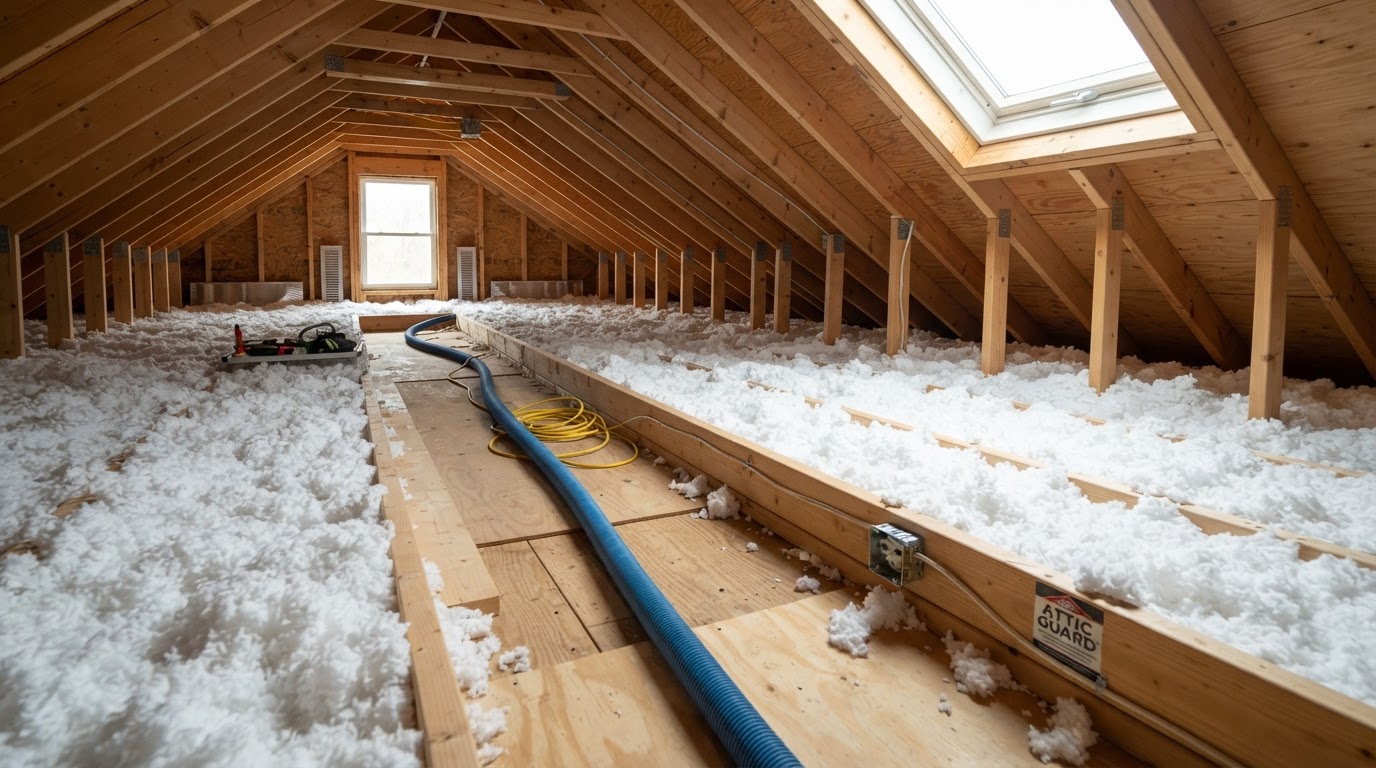
An attic may have exposed framing, a partial platform, or a finished storage area. Those are not interchangeable. A ceiling surface or insulation is not a walking path, and a visible board does not prove the framing can support people or stored goods. Avoid guessing about load limits, installing a platform, or extending flooring across the attic without advice from a qualified professional familiar with the home.
Notice moisture, airflow, and equipment
Check for roof-leak stains, damp or compressed insulation, condensation, musty odors, and visible damage. Note vents, ducts, wiring, fans, and service equipment so stored items do not block access or airflow. The U.S. Department of Energy’s Building Science Education resource explains how the ceiling air barrier and insulation work together in a vented attic; changes to that assembly should be considered as a building-system issue, not just a storage choice. See DOE guidance on air barriers in ventilated attics.
What should you store in an attic, and what should stay inside?
Use a simple three-way test. Store only items that are durable, replaceable, and needed occasionally, and only when the attic itself is suitable. Relocate belongings that could be damaged by heat, moisture, dust, or pests. If the attic shows signs of damage or contamination, inspect the condition before deciding what to keep.
| Decision | Examples | Before you act |
|---|---|---|
| Store, if the attic is suitable | Durable seasonal decorations, empty luggage, or other replaceable items used occasionally | Use clean containers, keep a clear route, and confirm the storage area is appropriate for the home. |
| Relocate to a more stable space | Family photos, important papers, electronics, musical instruments, medicines, delicate textiles, or irreplaceable keepsakes | Choose a dry indoor area with steadier conditions and follow product or preservation instructions. |
| Pause and inspect | Items near a leak, damp insulation, droppings, nests, damaged materials, or persistent odors | Do not cover, sort through, or disturb the affected area until the concern is assessed. |
Choose items you can afford to replace
Even a clean attic can experience conditions that differ from the rooms below. Seasonal décor and other sturdy objects may be reasonable candidates if the attic is suitable and the items are protected from dust. Keep a small inventory so you remember what is there, and avoid storing anything that would be difficult or impossible to replace.
Keep sensitive or hazardous items elsewhere
Paper, photographs, electronics, artwork, musical instruments, medicines, and delicate fabrics can be vulnerable to changing conditions. Food, flammable products, chemicals, and aerosols also need storage that follows the product label and safety directions. A plastic container can help protect contents from dust or minor contact, but it does not control temperature, humidity, leaks, or the condition of the attic itself.
How do you set up attic storage without creating new problems?
If the attic has been assessed as suitable, make the system simple. The goal is not to fill every available corner. It is to keep a few appropriate items easy to identify and retrieve without covering important building components or making the space harder to inspect.
1. Sort before buying containers
Bring items together in a living area and sort them into keep, relocate, donate, and discard groups. Do not use the attic as a place to postpone decisions. Smaller, deliberate storage reduces the chance of stacking heavy containers high or blocking the access route. Confirm local donation and disposal rules before promising a specific drop-off option.
2. Use containers and labels that fit the contents
Choose sturdy, lidded containers that are manageable to carry through the hatch. Put heavier items in smaller containers, keep like items together, and label the outside with a clear category and date. Avoid putting fragile, valuable, or condition-sensitive items upstairs simply because a bin is available. A basic digital or paper inventory can help you find items without repeatedly opening containers.
3. Keep pathways and building components accessible
Keep storage out of the way of the hatch, intended walkway, vents, insulation, ducts, wiring, and equipment that may need inspection or service. Do not push containers into eaves or cover anything whose purpose you do not understand. If a storage setup requires new flooring, shelves, electrical work, or changes to ventilation, ask a qualified professional rather than treating it as a weekend organizing project.
4. Recheck the space when you retrieve items
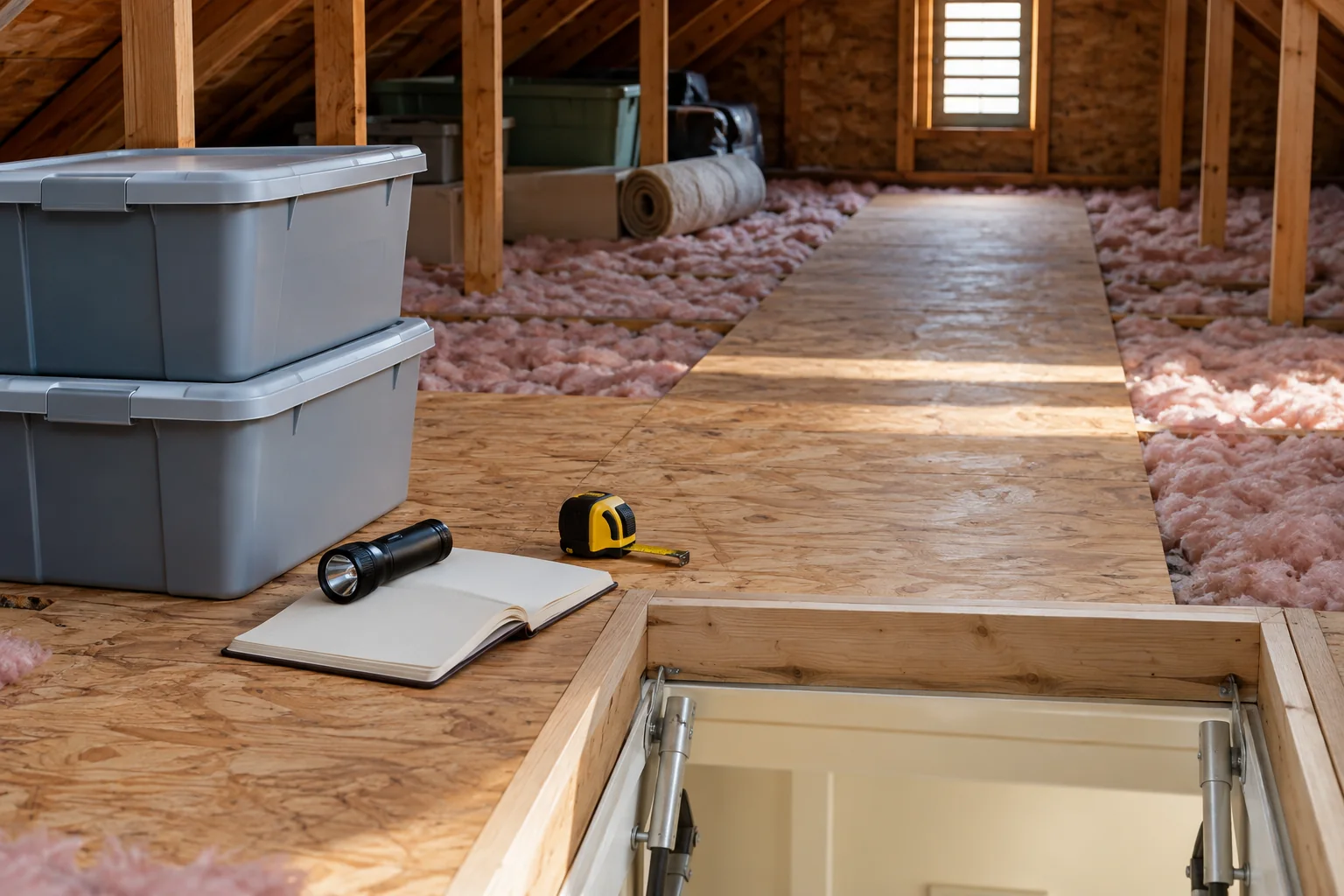
Each visit is a chance to notice a new stain, odor, damaged container, or change in insulation. If you see something concerning, take a note or a photo from a safe position and leave the affected area undisturbed. Do not move an item across a suspected leak or pest area just to finish reorganizing.
If the attic’s condition raises questions about insulation, airflow, or air leaks, read the related LA attic repair guide and the service overview for air sealing in Los Angeles. These are separate issues from storage installation and should be evaluated on their own merits.
When should you clear out an attic instead of reorganizing it?
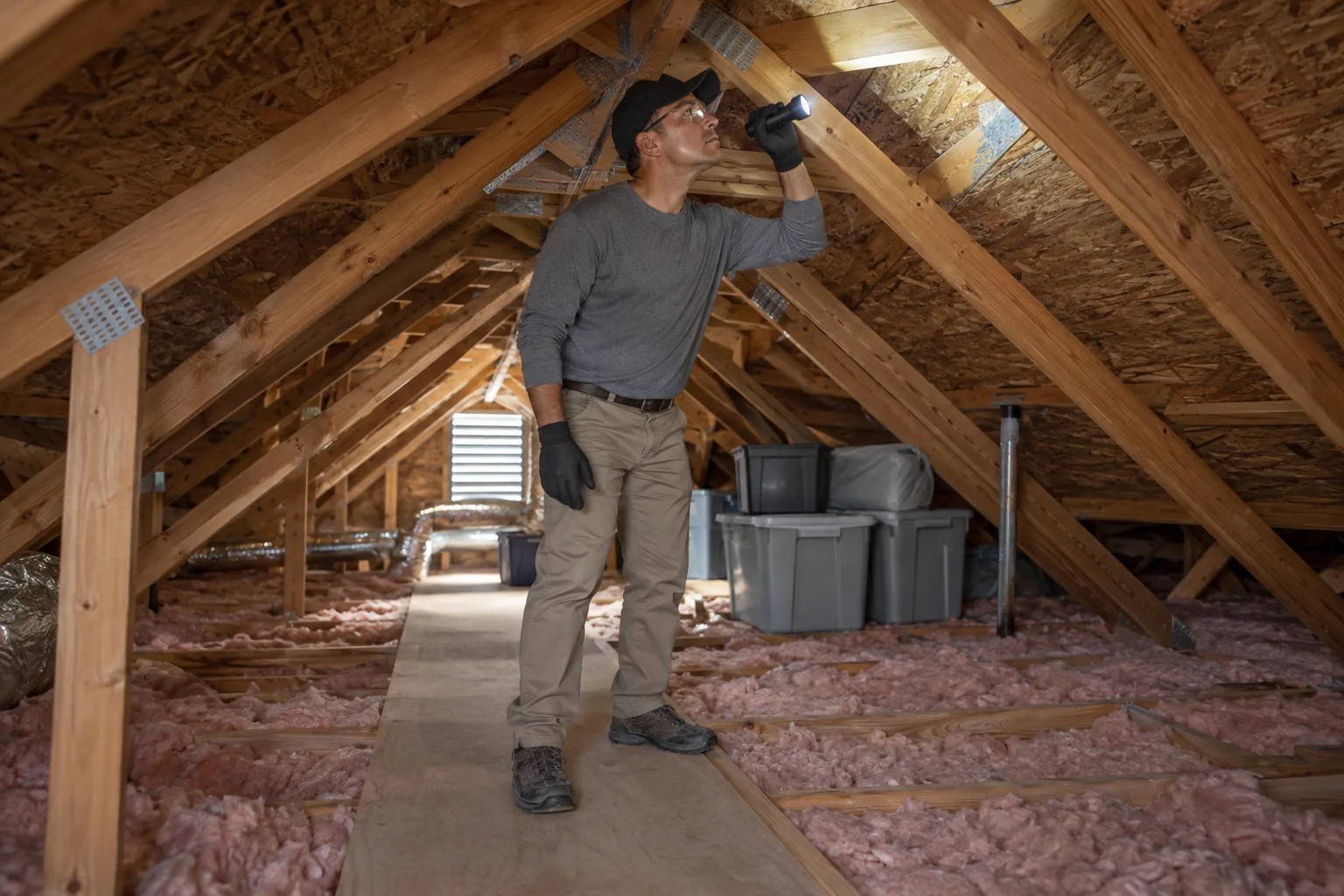
Clearout should come before organization when belongings are mixed with debris, the attic is difficult to inspect, or signs of moisture or pests are present. Adding containers can hide the source of a problem and make later inspection harder. Watch for roof or plumbing stains, damp or damaged insulation, musty odors, droppings, nesting material, gnawing, or evidence that animals have reached ducts or other building components.
Do not disturb suspected rodent contamination
Rodent droppings and nesting material are not ordinary household dust. The CDC advises people not to sweep or vacuum rodent urine, droppings, or nesting materials because disturbing them can send contaminated particles into the air. If you find evidence in an attic, stop sorting and follow the CDC’s rodent cleanup guidance; for extensive contamination or affected insulation, use qualified help rather than improvising a cleanup.
Likewise, do not cover wet insulation or a stain with boxes and assume the issue is solved. The source of moisture may need to be identified first. For more on the difference between surface organization and an underlying attic problem, see what attic cleanup experts in Los Angeles assess.
What should Los Angeles homeowners consider before using attic storage?
There is no single attic-storage rule for every Los Angeles home. Roof shape, age, previous repairs, ventilation design, insulation, and access vary from house to house. Start with the actual condition of the attic rather than assuming a property is suitable because a neighbor stores boxes upstairs.
Before using the space, ask whether the access route is safe, whether the storage surface is appropriate, whether vents and equipment remain clear, and whether there are signs of water or animal activity. If the home has had a roof leak, prior attic work, or a history of rodents, mention that context during an assessment. Avoid relying on generic load numbers or online instructions to decide whether a particular attic floor can support people or belongings.
Keep a short record of what you notice: the location of a stain, the date an odor appeared, or which area has disturbed insulation. This gives a qualified contractor useful context without requiring you to move materials or enter an unsafe space.
What can professional attic cleanup address?
Organizing is about deciding where belongings go. Cleanup is about addressing debris, contamination, or damaged materials that make an attic unsuitable for normal use. Los Angeles Attic Cleanup describes attic cleanup, decontamination, rodent proofing, insulation removal and replacement, and air sealing among its services. Which work is appropriate depends on the findings in the home; a storage article cannot determine the scope.
If you find droppings, nesting, contaminated insulation, persistent odor, or damage, ask for an inspection before adding new storage. A professional can explain what was observed and whether cleanup or related restoration is relevant. Do not assume that a cleanup company installs storage flooring, shelving, or attic organizers; confirm any product or construction work separately.
Request a free estimate from Los Angeles Attic Cleanup or call (877) 706-9839 if you need help assessing an attic cleanup concern. If the attic is clean and suitable, keep the storage plan modest, label what goes upstairs, and leave the structure and equipment accessible.
Attic storage questions homeowners ask
Can I store boxes directly on attic insulation?
Avoid placing boxes directly on insulation or across vents, equipment, or an unknown walking surface. Insulation is not a storage platform, and covering it may make inspection or maintenance more difficult. The safe arrangement depends on the attic’s design and existing access surface. If you are unsure where belongings can go, pause and ask a qualified professional to assess the space before adding weight.
What should not be stored in an attic?
Keep irreplaceable or condition-sensitive belongings, such as photos, important papers, electronics, medicines, artwork, and musical instruments, in a more stable indoor space unless a preservation or product guide says otherwise. Avoid storing food, flammable products, chemicals, or aerosols without following their labels. Do not store items in an area with moisture, pest evidence, or damaged materials until the underlying concern is assessed.
Do plastic bins make attic storage safe?
Lidded bins can help keep dust off contents and make seasonal items easier to label and retrieve, but they do not make an unsuitable attic safe. A container cannot correct a leak, stabilize a floor, prevent every pest entry, or control temperature and humidity. Check the attic itself first, then choose containers appropriate to the items and keep them out of pathways and equipment areas.
Should I clean out an attic before organizing it?
Usually, it is easier to sort belongings before arranging the storage you plan to keep. But if the attic has droppings, nests, damp insulation, a persistent odor, or other signs of damage, do not begin a routine DIY cleanout. Pause and get the condition assessed first. Ordinary decluttering and cleanup involving possible contamination are different jobs and should not be treated the same way.
Can I add attic flooring or shelves for storage?
Do not assume that exposed joists or framing can support a new platform, shelf, or stored load. Attic structure and equipment layouts vary, and generic online load limits cannot confirm what is safe in a specific home. Have a qualified professional assess the structure and any proposed installation. Los Angeles Attic Cleanup lists cleanup and restoration services, so confirm separately who will perform construction or storage-system work.
When should I call a professional about attic debris or pests?
Get qualified help when you see droppings, nesting material, damaged insulation, persistent odors, moisture, or signs animals have reached ducts or other building components. Do not sweep or vacuum suspected rodent waste. The CDC’s guidance explains why disturbing it can put contaminated particles into the air. An assessment can help determine whether cleanup, decontamination, rodent proofing, or another repair is appropriate.
Conclusion: make attic storage a condition-first decision
Good attic storage starts with a simple question: is this particular space suitable for the items you want to keep there? Check access and condition, store only durable and replaceable belongings, keep pathways and building components clear, and move valuable or sensitive items elsewhere. If you find moisture, odors, droppings, nests, or damaged insulation, pause before organizing. For a cleanup concern, contact Los Angeles Attic Cleanup to request a free attic estimate or call (877) 706-9839.
Ready for a clean, safe, energy-efficient attic?
Get a free estimate today. Same-day service available across Los Angeles.