
Attic Renovation in Los Angeles: What Your Project Actually Needs
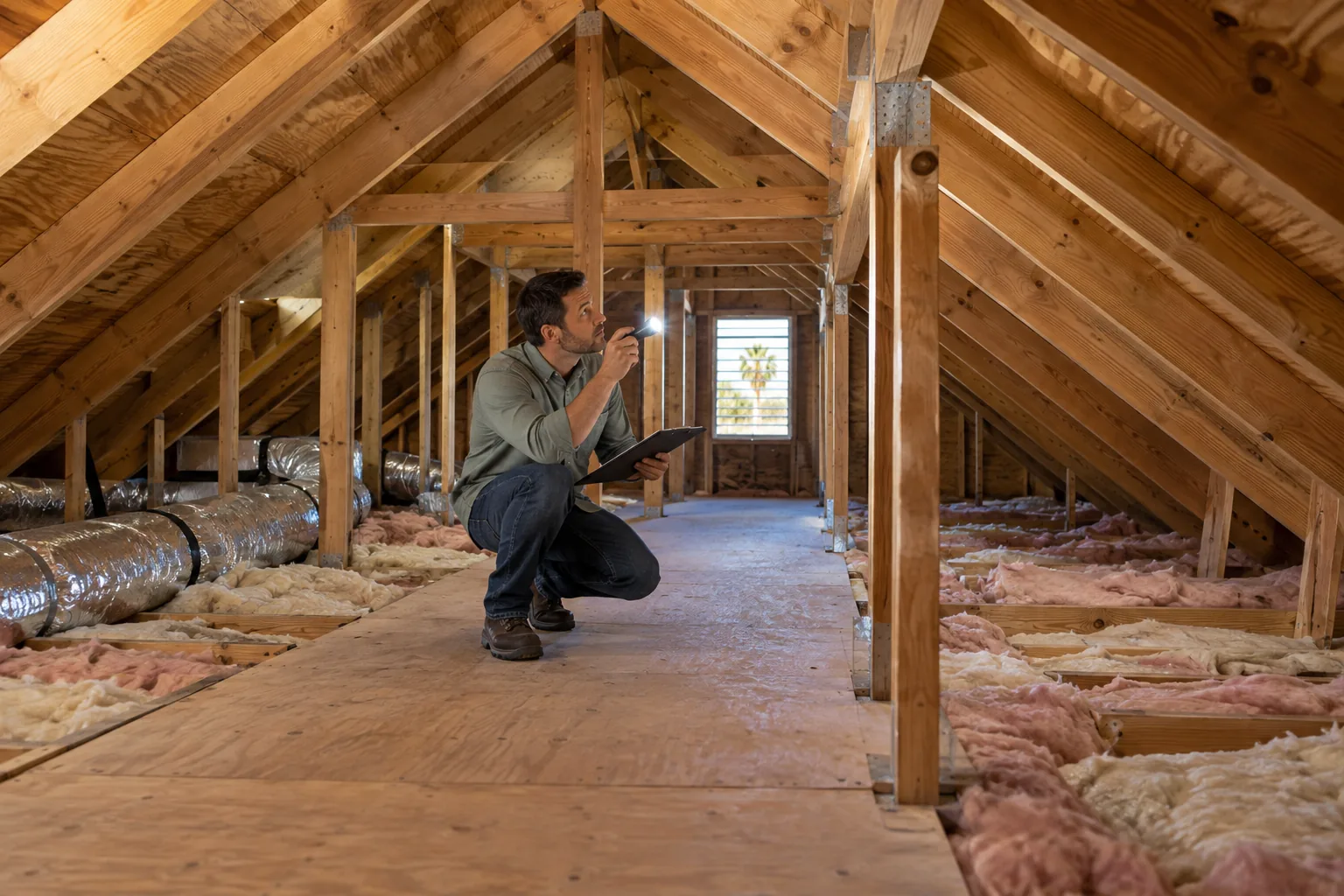
An attic renovation in Los Angeles can mean converting an attic into living space or restoring the existing attic system. Those projects have different safety, design, permit, and provider requirements. Start by deciding whether you want new habitable space or a cleaner, better-functioning attic. For cleanup, insulation, rodent proofing, air sealing, or duct concerns, request a free attic estimate or call us directly at (818) 495-7723.
What does “attic renovation” mean for a Los Angeles home?
Attic renovation is a broad label, not a defined scope. A conversion changes an attic into living space and may involve design, structural work, safe access, egress, and local approvals. Restoration improves existing attic systems through cleanup, insulation, air sealing, rodent proofing, or duct repair. Los Angeles Attic Cleanup currently lists restoration services, not permitted room conversions.
| Project scope | Main goal | Typical work to discuss | Provider to consult |
|---|---|---|---|
| Living-space conversion | Create a bedroom, office, or other habitable area | Feasibility, design, structure, access, egress, permits, building systems, and finishes | Qualified local design and construction professionals |
| Attic restoration | Improve the condition and performance of the existing attic | Cleanup, decontamination, insulation work, air sealing, rodent proofing, or duct repair | A provider whose services match the documented restoration scope |
The two scopes can overlap, but one does not automatically include the other. A cleanup or insulation project does not create a legal bedroom, and a conversion plan still needs to address the condition of the attic itself.
Can your attic become legal living space?
Maybe, but no photo or square-foot number alone determines whether an attic can be used legally as a bedroom or living space. Feasibility depends on the structure, headroom, access, emergency egress, building systems, zoning, and jurisdiction-specific review. Ask qualified local design and construction professionals to assess the actual home before making plans or disturbing insulation.
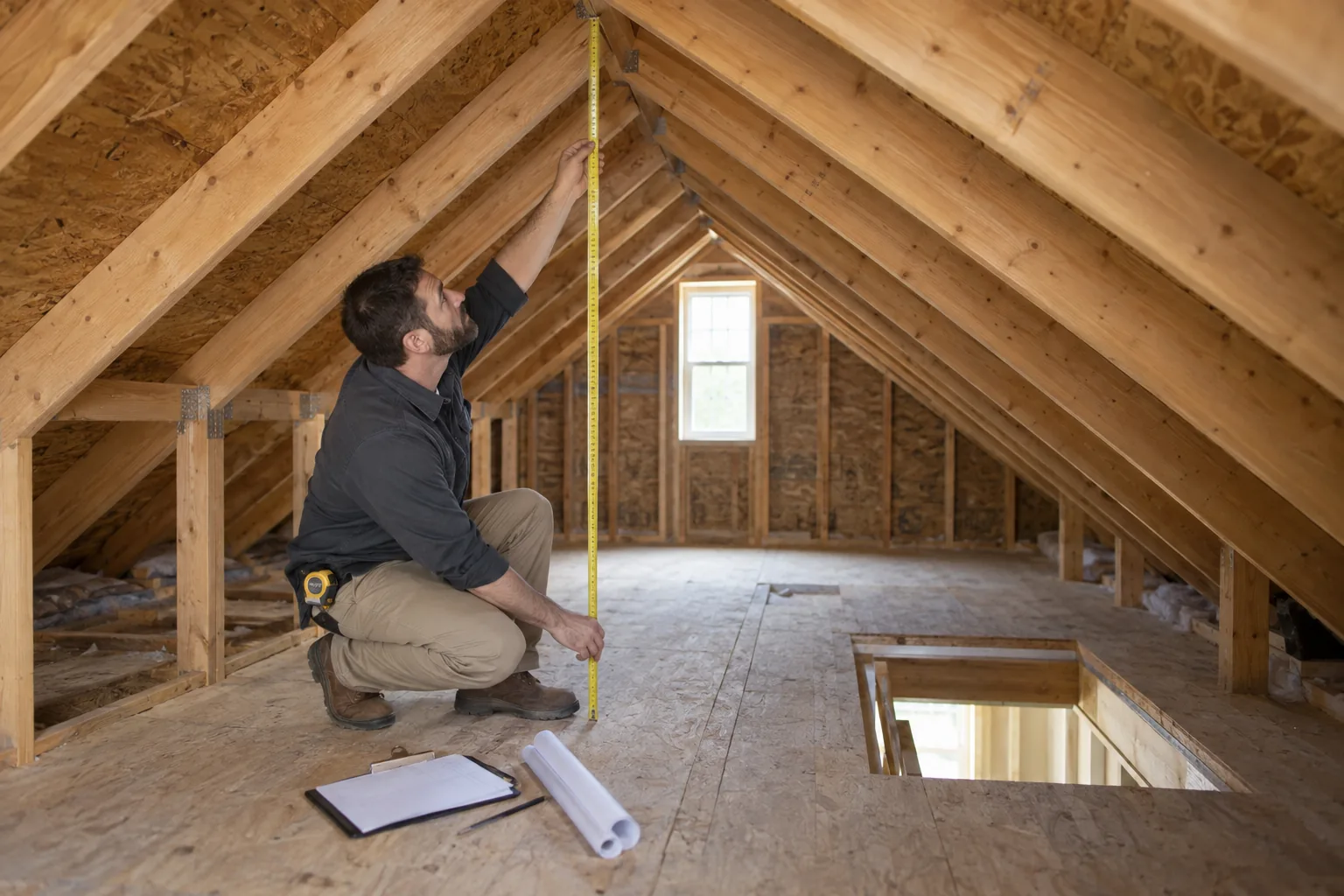
Before treating an attic as convertible, have the right professional review these questions:
- Headroom and usable floor area: Does the roof shape leave enough practical space for the intended use? Applicable requirements depend on the project and local review.
- Framing and load paths: Were the joists and roof structure designed for the proposed loads? A qualified structural professional should assess this rather than a homeowner guessing from exposed lumber.
- Access and egress: Would the proposed stairs, openings, and emergency escape provisions work for the intended use?
- Moisture and building systems: Are there roof or plumbing leaks, ventilation concerns, wiring, ducts, or equipment that need attention before finishes are considered?
- Jurisdiction and intended use: Is the property within the City of Los Angeles, or another city or county with its own review process? A bedroom, office, and storage area are not interchangeable uses.
Do not rely on a general online checklist as an approval. A site visit and jurisdiction-specific review are the responsible next steps.
What permits and specialists may an attic conversion require?
Permit needs depend on the actual work and the property's jurisdiction. The City of Los Angeles Department of Building and Safety lists permits for new construction, additions, and alterations, and identifies changes of use or occupancy, interior floor-plan changes, and structural alterations among items requiring building-plan review. Confirm the specific scope with the local building department before work begins.
For a property in the City of Los Angeles, consult the LADBS overview of plan checks and permits. It is not a project-specific determination, and it does not apply automatically to homes outside the City's jurisdiction. Depending on the scope, an architect, structural engineer, energy professional, or qualified contractor may need to evaluate different parts of the project.
When speaking with a conversion contractor, ask who checks structural feasibility, who coordinates plans and approvals, which work is included, and what remains your responsibility. Get the answers in writing. Do not treat a verbal estimate or a contractor's marketing page as proof that a particular design is approved.
When does an attic need restoration instead of a room conversion?
Restoration is the right starting point when the concern is the existing attic rather than creating a new room. Rodent evidence, unpleasant odors, damaged or displaced insulation, visible air leaks, or duct concerns may warrant an inspection, but no single symptom proves its cause. Keep the scope focused on diagnosing and improving existing attic systems.
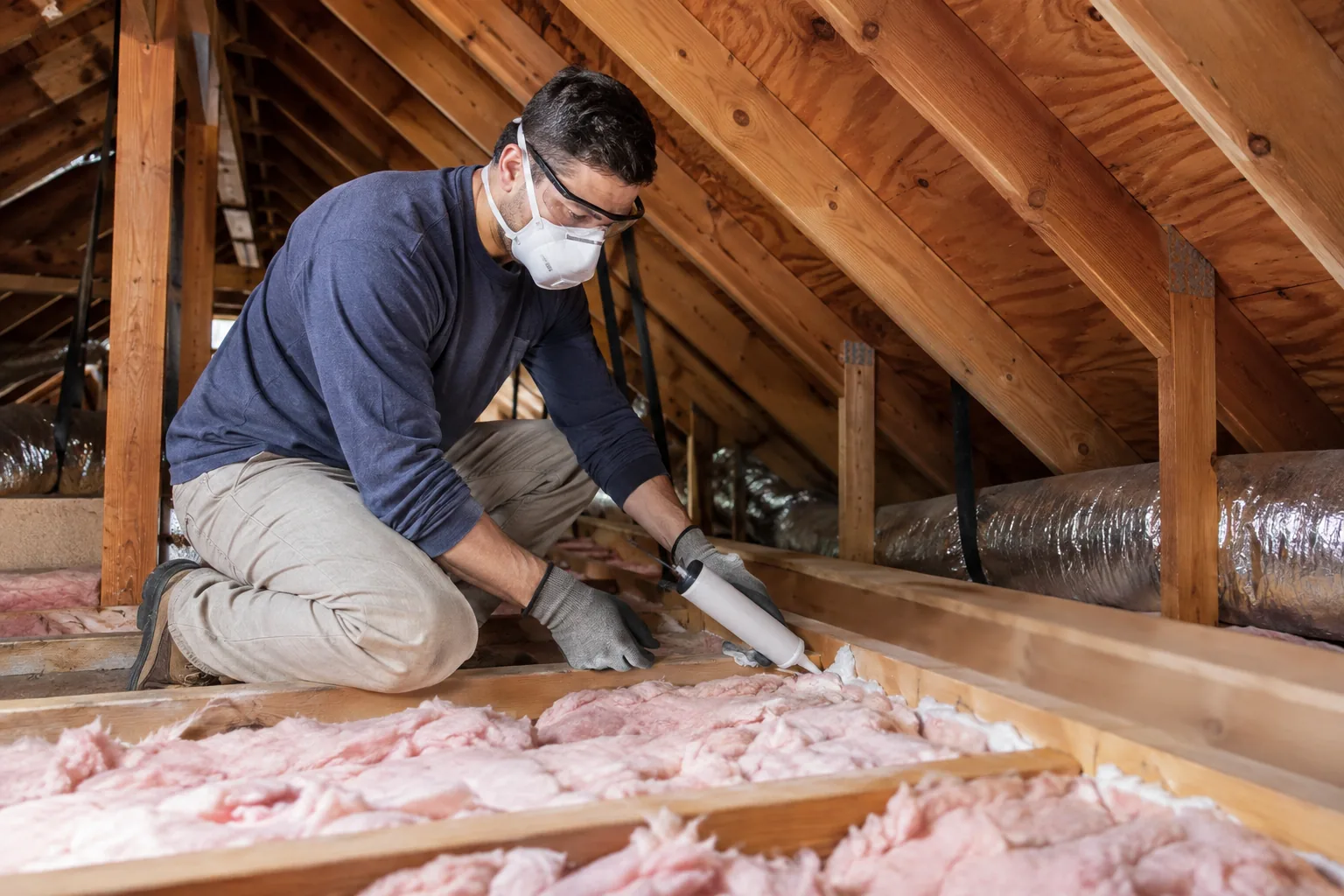
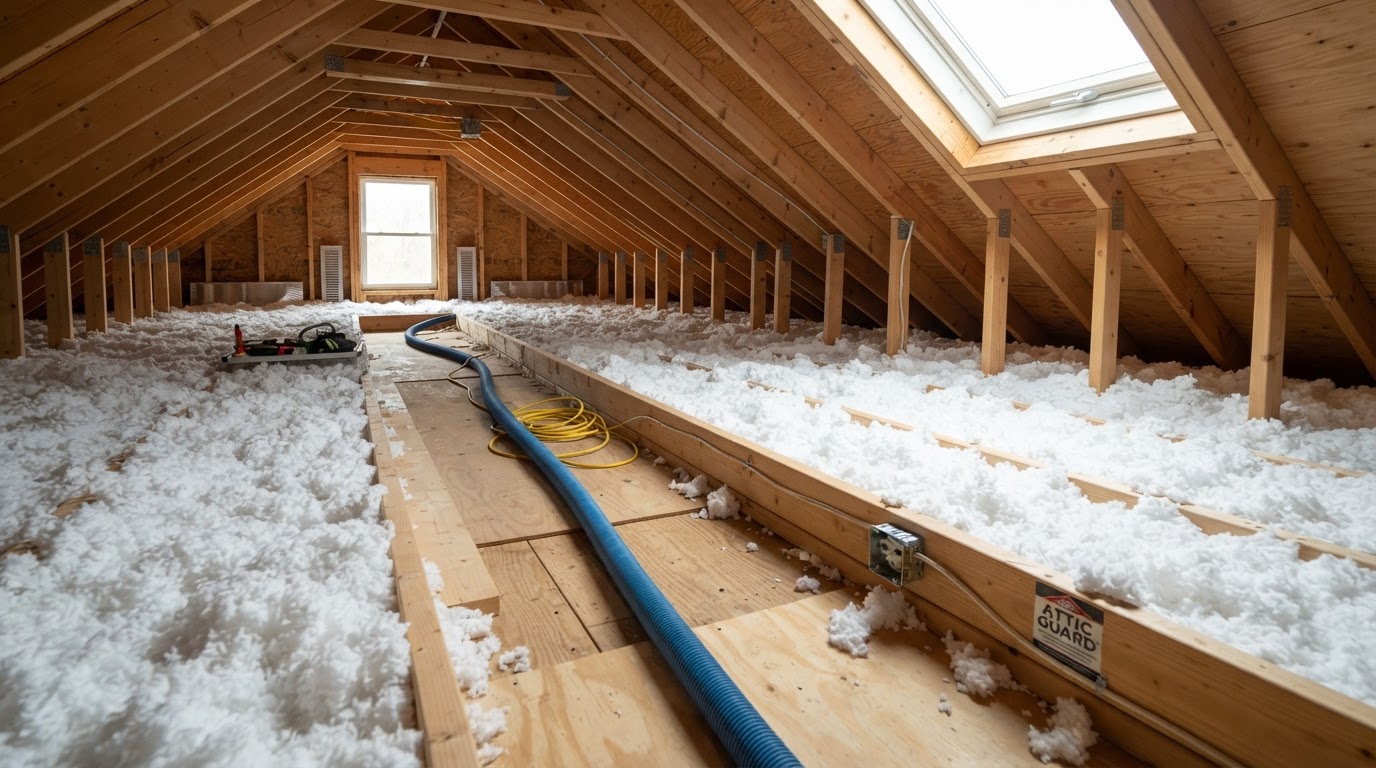
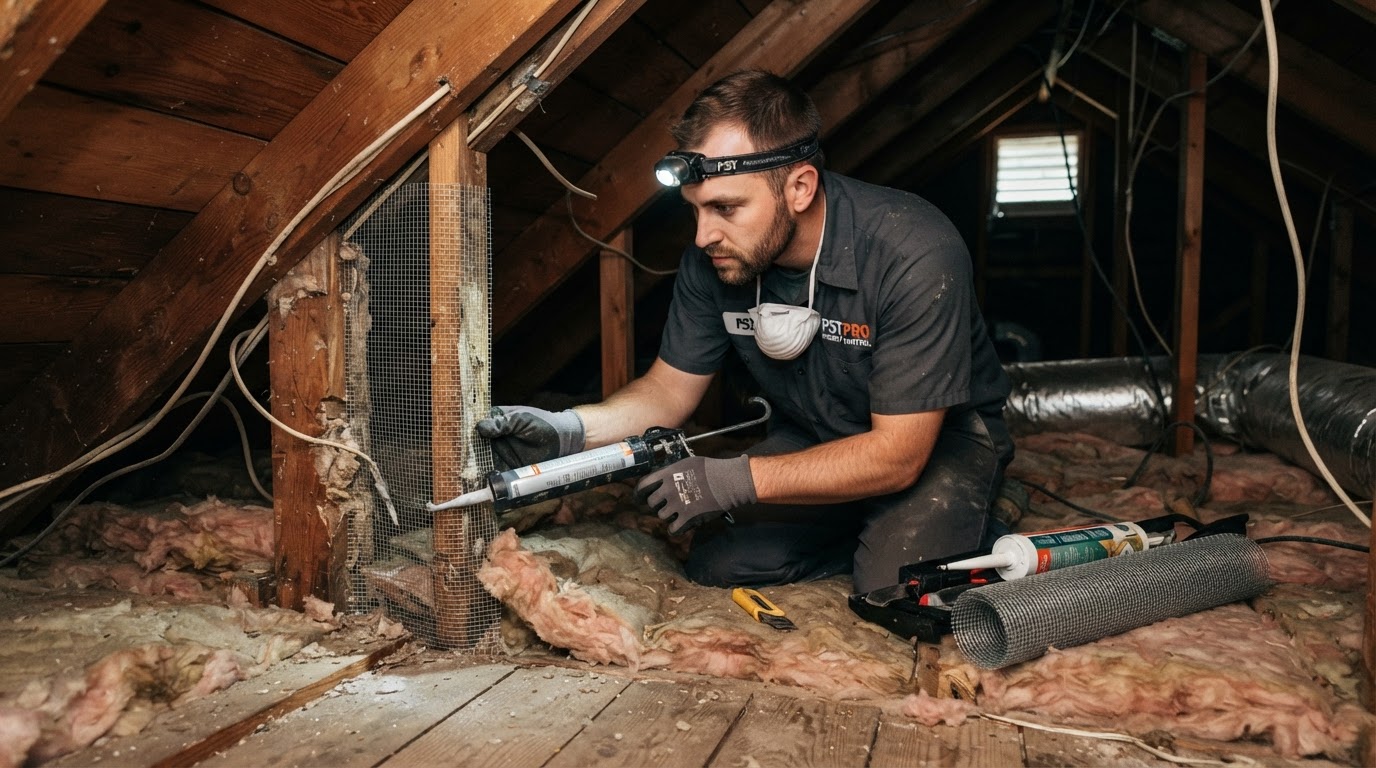
Los Angeles Attic Cleanup lists attic cleaning and decontamination, rodent proofing, insulation removal and replacement, air sealing, and air-duct repair. Review the Attic Services in Los Angeles overview, then explore the attic insulation service, rodent proofing, air sealing, or air duct repair and replacement page that matches the concern.
Air sealing and insulation should be considered as parts of a system, not as interchangeable fixes. The U.S. Department of Energy recommends identifying air leaks and assessing ventilation needs before air sealing; its home air-sealing guidance also notes that air sealing does not replace the need for proper insulation. If materials look wet, heavily damaged, or questionable, avoid disturbing them and ask a qualified professional what should be evaluated.
If your goal is existing-attic cleanup or restoration, request a free estimate for the scope you need or reach our office directly at (818) 495-7723. If your goal is a finished room, start with a qualified conversion professional and local permit guidance.
What drives attic renovation costs?
There is no useful single price for “attic renovation” because a room conversion and an attic restoration are different projects. Compare estimates only when the scope is similar. The amount of structural work, access changes, approvals, materials, and finishing can make conversion budgets unlike cleanup or insulation estimates.
Conversion cost drivers
A conversion estimate may be affected by design and engineering, framing changes, roof alterations or dormers, stairs, egress, electrical or HVAC work, insulation, permit review, and finish level. These are questions for qualified design and construction professionals. Los Angeles Attic Cleanup's published service pages do not establish that it performs these conversion services, so do not assume a restoration estimate covers them.
Restoration estimate factors
For restoration, ask how attic size and access, material condition, the amount of insulation to remove or replace, cleanup and disposal, rodent proofing, air sealing, or duct work affect the estimate. The company's insulation page says its pricing depends on attic size, existing insulation type and condition, and the replacement insulation selected. Request a written scope that states included work, exclusions, and any follow-up needed.
Questions to ask before approving work
- What condition did the inspection find, and how does each proposed task address it?
- Which materials will be removed, retained, or installed, and why?
- Does the estimate include cleanup, disposal, air sealing, rodent proofing, or duct work, or are these separate?
- For a conversion, who confirms design, structural, permit, and inspection responsibilities?
- What photos or closeout notes will document the completed scope?
What is a safer order for planning attic work?
A clear sequence helps prevent a symptom from being mistaken for the cause. Start with observation and inspection, then define the project type, check safety and moisture concerns, confirm any required approvals, and only then compare written scopes. Restoration tasks may be sequenced differently from a room conversion, so the plan should explain what happens and why.
- Record what you notice. Note the rooms affected, odors or stains, recent roof or HVAC work, and any visible pest evidence. Do not climb on ceiling drywall or disturb questionable materials.
- Get the right inspection. Ask a qualified professional to assess the attic itself. A homeowner's symptoms are useful context, not a diagnosis.
- Choose the scope and provider. Separate a conversion plan from cleanup, insulation, air sealing, rodent proofing, or duct repair. Confirm the provider's written scope matches the work you need.
- Check approvals before construction. For changes to structure, floor plan, or use, verify requirements with the local building department and qualified project professionals.
- Review documentation at completion. Keep the estimate, approved plans if applicable, and photos or notes that show what was done.
Key Takeaways
- “Attic renovation” can mean a permitted living-space conversion or restoration of the existing attic. Define the scope first.
- Conversion feasibility depends on the home's structure, access, egress, intended use, and local review.
- Cleanup, insulation, rodent proofing, air sealing, and duct work address existing attic systems; they do not create a legal bedroom.
- Compare written estimates only when they describe comparable work, inclusions, and exclusions.
Attic renovation questions Los Angeles homeowners ask
Do I need a permit to renovate an attic in Los Angeles?
It depends on the work and the jurisdiction. LADBS lists permits for new construction, additions, and alterations, and building-plan review for changes such as occupancy, interior floor plans, and structural alterations. That does not settle every attic project. Confirm the property’s jurisdiction and proposed scope with the local building department before starting.
Can my attic floor support a bedroom?
Do not assume an attic floor is designed for bedroom loads because it can hold stored boxes or be walked on. A qualified structural professional should review the framing, connections, load paths, and proposed use. The answer depends on the actual home and any changes planned, not on a generic rule of thumb or a photo.
How much does an attic conversion cost in Los Angeles?
Costs depend on the home's condition, design, structural work, access, egress, building systems, approvals, and finish choices. A conversion is not comparable to insulation replacement or cleanup. Ask qualified local professionals for a written estimate based on an inspected scope, and check that the estimate says what is excluded.
Should I convert my attic or repair its insulation and air sealing?
Choose based on the goal. If you need a new room, begin with conversion feasibility, structural review, and local approvals. If the concern is existing insulation, air leakage, rodent evidence, or damaged ducts, get an attic restoration assessment. A conversion and restoration may intersect, but one does not automatically include the other.
Can attic cleanup make the space a legal bedroom?
No. Cleanup and restoration can address conditions in an existing attic, such as contamination or insulation concerns, but they do not by themselves establish habitable use. A room conversion has separate design, safety, structural, and approval questions. Confirm those requirements with qualified local professionals and the building department for the property.
What should an attic estimate include?
A useful estimate should describe the observed condition, proposed tasks, materials, exclusions, disposal or cleanup, and any follow-up that is not included. For a conversion, it should also clarify who handles design, engineering, approvals, and inspections. Ask for documentation that lets you compare scopes rather than relying only on a total price.
Get the right attic assessment for your project
The best attic renovation plan starts with an honest scope: creating approved living space is different from restoring an attic that needs cleanup, insulation, air sealing, rodent proofing, or duct work. Define the outcome, get the right professional to inspect the space, and compare written scopes before work begins. For an existing attic cleanup or restoration concern, request a free estimate from Los Angeles Attic Cleanup or call (818) 495-7723. For a room conversion, consult qualified local design and construction professionals and verify requirements with the building department.
Ready for a clean, safe, energy-efficient attic?
Get a free estimate today. Same-day service available across Los Angeles.