
Attic Insulation Removal in Los Angeles: When It’s Needed and What to Expect
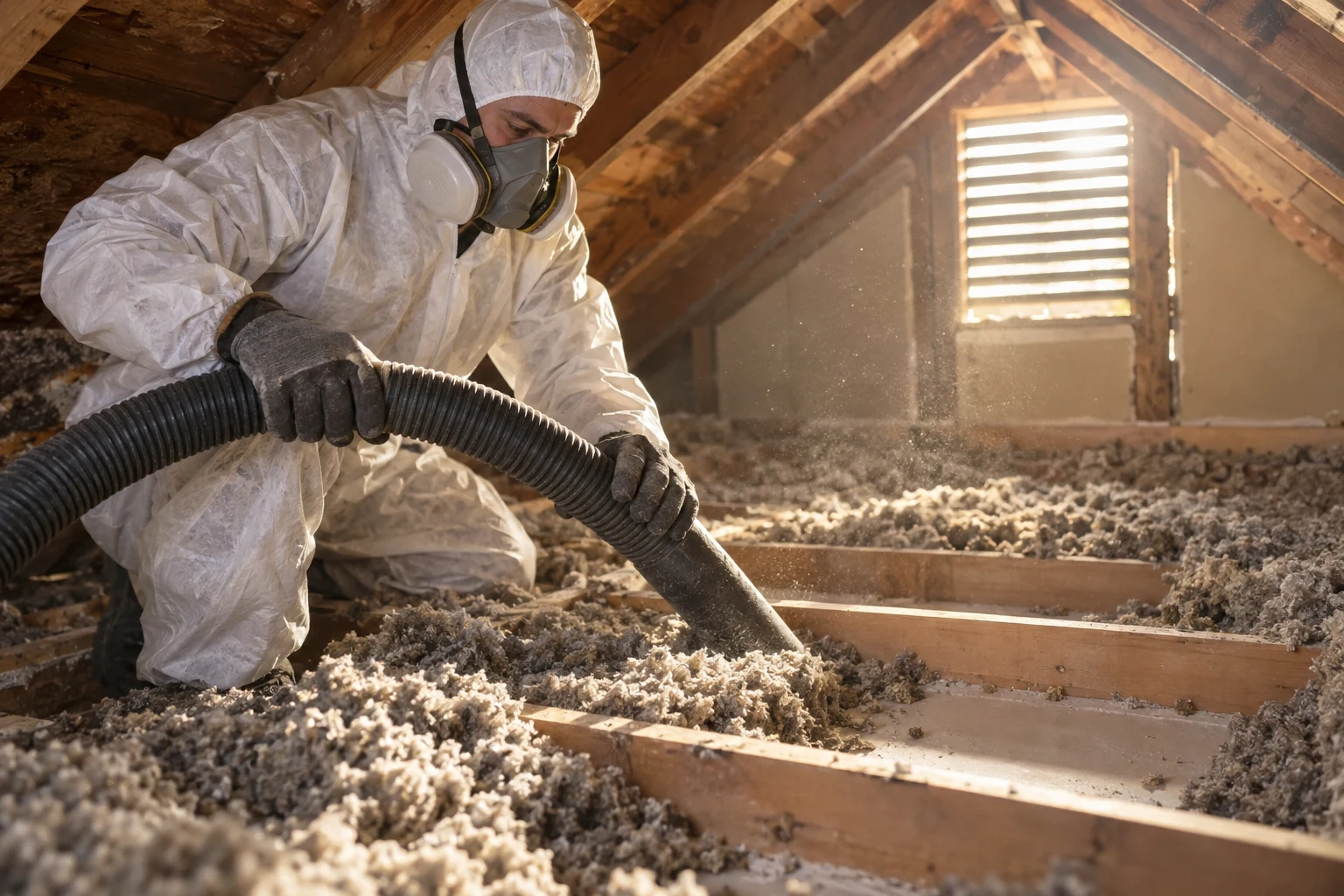
Attic insulation removal is not an automatic upgrade. It is a scope decision. Some Los Angeles attics need every bag of old material pulled out. Others only need a targeted repair or a top-off. This guide from Los Angeles Attic Cleanup explains how to tell the difference, what professional removal includes, what drives the price, and how to compare quotes so you only pay for the work your attic actually needs.
Quick answer: Attic insulation removal is worth assessing when insulation is wet, contaminated by rodents or animals, badly compressed or damaged, or blocking repairs such as air sealing or ductwork. Clean, dry, intact insulation may only need a top-off. An on-site inspection is the only reliable way to set the right scope.
Not sure which camp your attic falls into? Call (877) 706-9839 for a free attic inspection and get a clear, honest recommendation before any work begins.
Should You Remove Your Attic Insulation or Keep It?
The right answer depends on the condition of the material, not its age alone. Insulation slows heat flow, and the U.S. Department of Energy notes that compressed insulation and moisture reduce an insulation's effective R-value. If the material is still clean, dry, and evenly spread, it may still be doing its job.
| Attic condition | Likely scope | Next step |
|---|---|---|
| Clean, dry, evenly spread, just too thin | Keep and top off | Air seal, then add insulation to the recommended depth |
| Contamination or damage limited to one area (for example, near an old entry point or a past roof leak) | Partial removal | Remove the affected section, clean and sanitize it, then reinsulate |
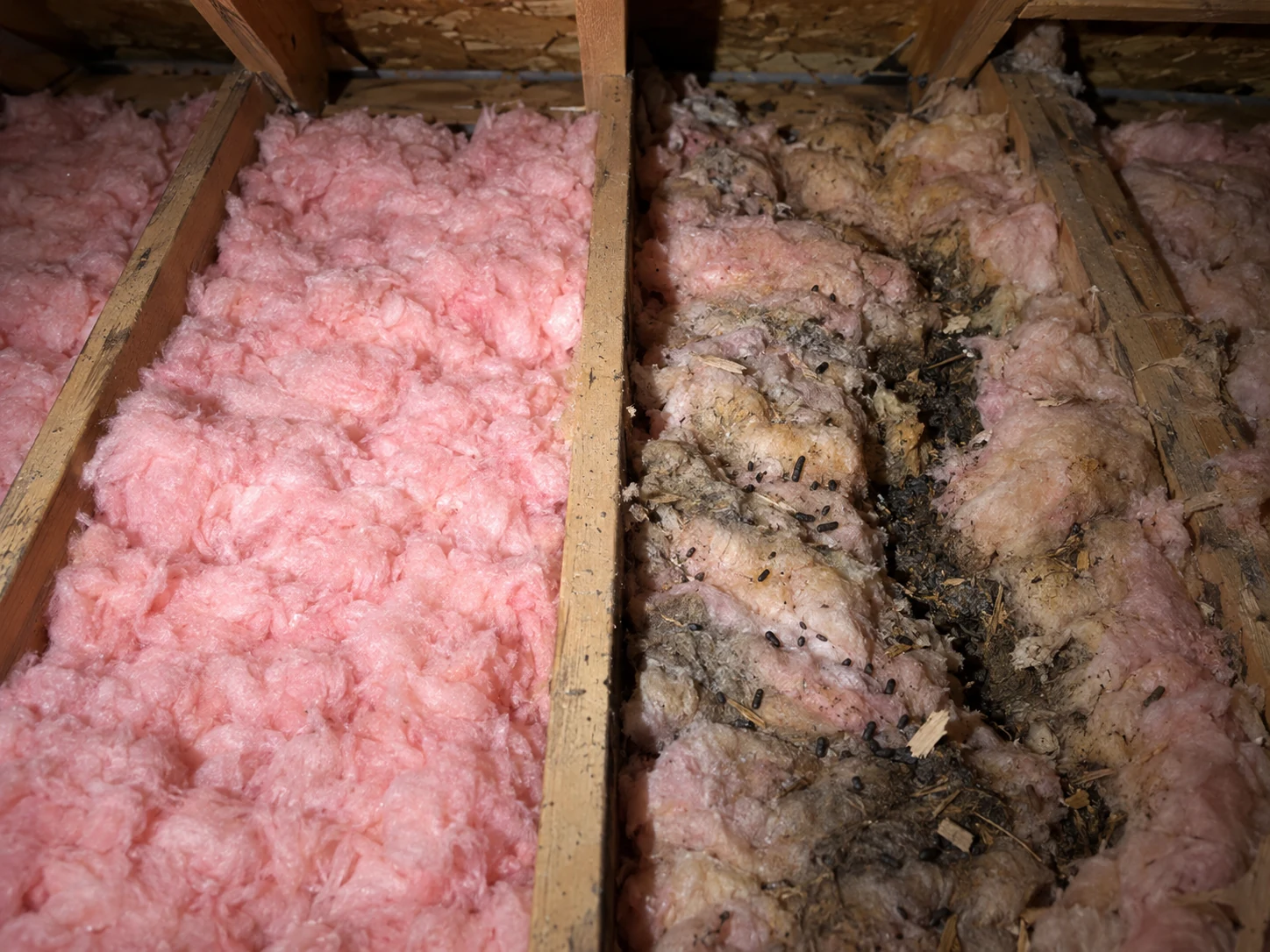
| Widespread droppings, urine odor, nesting, moisture damage, or heavy compression | Full removal | Full clean-out, sanitizing, rodent proofing, air sealing, fresh insulation |
| Pebble-like gray-brown or silver-gold loose fill (possible vermiculite) or any suspect material | Do not disturb | Stop and get a qualified asbestos assessment first |
When a Top-Off or Targeted Repair May Be Enough
If your insulation looks fluffy, dry, and free of droppings, odor, or stains, removing it can be wasted money. A top-off adds new material over the existing layer to reach the right depth. Air sealing first still matters, because insulation slows heat but does not stop air leaks.
Signs That Call for an Inspection and Possible Removal
- Rodent droppings, urine stains, nesting material, or tunnels through the insulation
- A musty or ammonia-like odor coming from the attic or ceiling vents
- Insulation that is matted, flattened, or pushed aside, leaving joists exposed
- Water stains, damp spots, or visible mold growth after a roof or plumbing leak
- Upcoming repairs, such as ductwork replacement or air sealing, that require clear access to the attic floor
Partial Removal vs. a Full Attic Clean-Out
Partial removal makes sense when damage is contained and the rest of the attic is sound. A full clean-out is usually the better value when contamination has spread, because laying new insulation over soiled material traps odor and debris underneath. If animals were recently in the attic, our guide to attic cleanup after the animal is gone explains why the full sequence matters.
What to Do If You Suspect Vermiculite or Asbestos
Do not touch it, vacuum it, or store items on it. The U.S. EPA advises homeowners to assume vermiculite insulation may contain asbestos and leave it undisturbed. Removal of suspect material should be handled by a trained, accredited asbestos professional. If we find suspect material during an inspection, we will stop and tell you before any work moves forward.
What Does Attic Insulation Removal Include?
Professional attic insulation removal includes more than pulling out old material. A complete job covers inspection, protection of your living space, removal, cleanup, disposal, and preparation for whatever comes next. Here is how the scope breaks down.
Inspection, Material Identification, and Written Scope
Every project starts with a free inspection. We check the insulation type and condition, look for droppings, moisture, and entry points, and note any damaged ducts or wiring. You get a clear estimate that explains what we recommend and why, before anything is removed.
Containment and Removal by Material Type
Different materials come out in different ways:
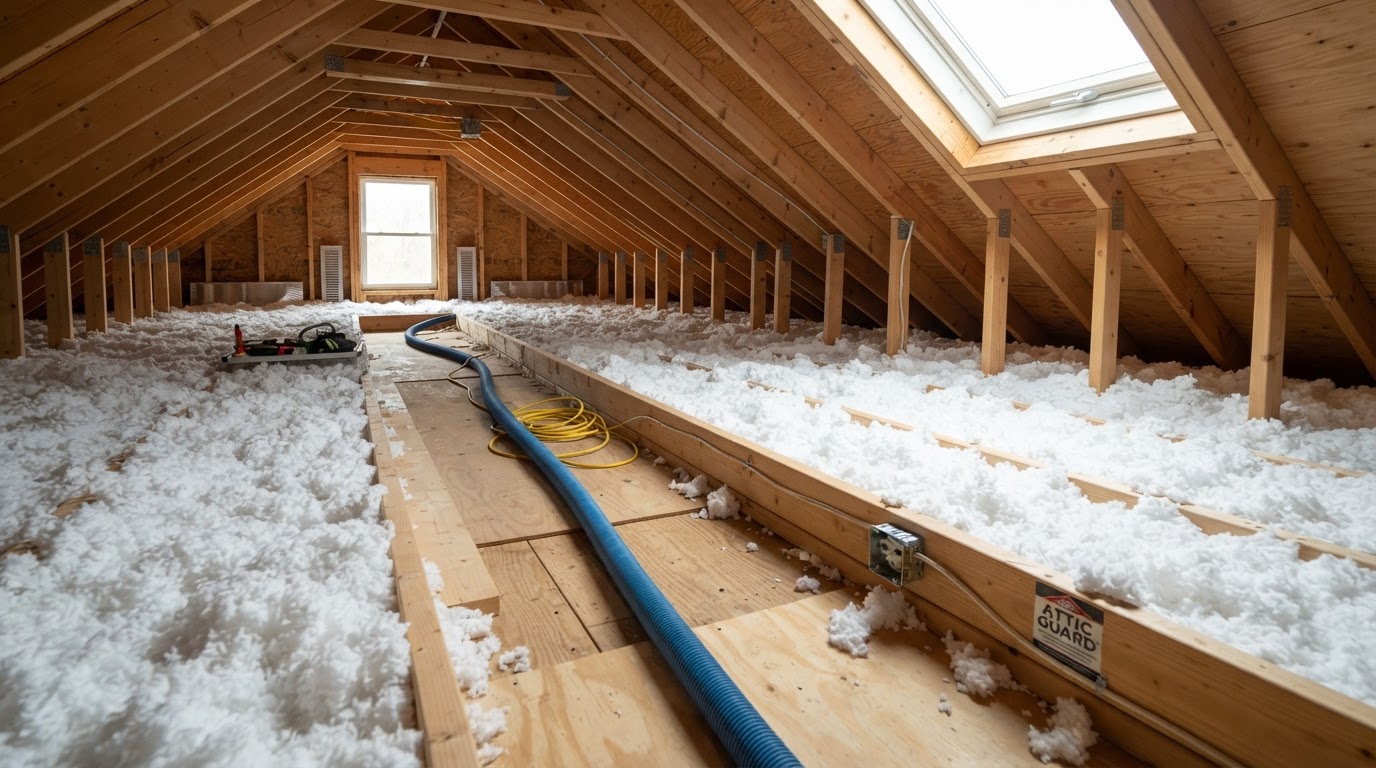
- Loose-fill or blown-in insulation (fiberglass or cellulose) is typically extracted with a high-powered vacuum system that sends material through a hose to collection bags outside the home.
- Fiberglass batts are usually removed by hand, bagged in the attic, and carried out.
- Spray foam is bonded to the framing and is a different, more involved job. Ask whether it is part of the scope.
Cleanup, Disposal, and Documentation
Once the attic floor is exposed, we vacuum, disinfect, and deodorize the surfaces to remove residual contamination. Old insulation is bagged and hauled away. Ask any contractor you consider for before-and-after photos so you can see the cleared framing and finished work for yourself.
How the Los Angeles Attic Insulation Removal Process Protects Your Home
The order of work matters. Cleaning before sealing entry points lets rodents return. Insulating before air sealing buries the leaks. Our process follows a clear sequence from inspection to completion:
- Free inspection to confirm condition, material type, and scope.
- Protection of the access route and living space so dust stays out of your home.
- Safe removal of old, contaminated, or rodent-damaged insulation, bagged without spreading dust indoors.
- Attic sanitizing: vacuuming, disinfecting, and deodorizing the exposed attic floor.
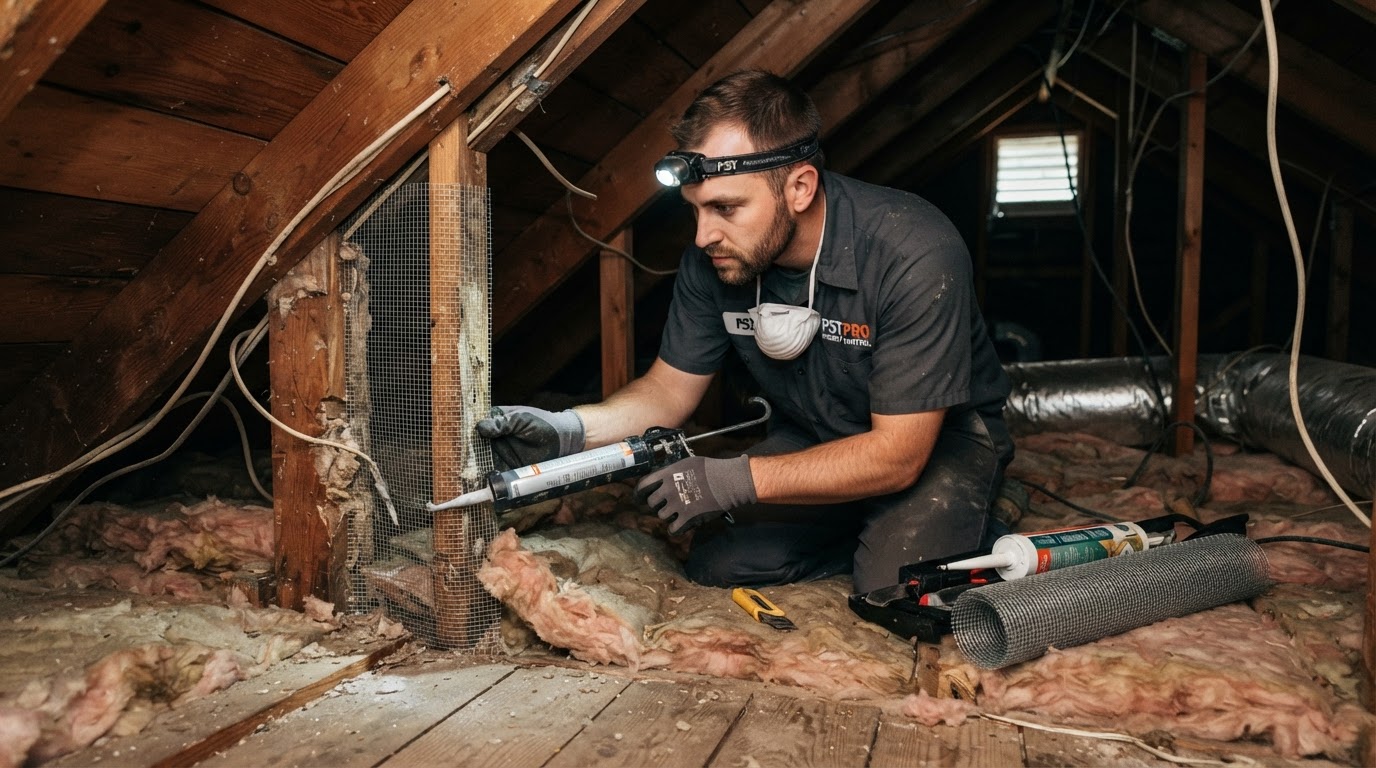
- Rodent proofing where entry points are found, so pests cannot recontaminate the space.
- Air sealing to close gaps before new insulation goes in.
- Fresh installation of blown-in or batt insulation at the correct depth and R-value for the Los Angeles climate.
Protecting the Access Route and Living Space
Attic work often passes through hallways, closets, or garages. A careful crew covers the path to the attic hatch and keeps contaminated material contained in bags or sealed hoses, so droppings and fibers do not reach your living space.
Preparing the Attic for Replacement
An empty attic is the best time to fix problems that are hard to reach later. Sealing top plates, light fixtures, and penetrations now helps your new insulation perform at its full rated value. Many homeowners also pair removal with other attic services such as duct repair or a radiant barrier while the floor is clear.
Ready to see what your attic actually needs? Book your free attic insulation inspection and get a written scope before any work starts.
How Much Does Attic Insulation Removal Cost in Los Angeles?
Attic insulation removal cost in Los Angeles depends on attic size, insulation type and depth, ease of access, level of contamination, and whether you add sanitizing, rodent proofing, air sealing, or new insulation. Because these factors vary widely, an accurate price requires an on-site inspection.
What Drives the Price
- Attic size: more square footage means more material and labor.
- Access: low clearance, tight hatches, or long hose runs add time.
- Material type: loose fill, batts, and spray foam come out differently.
- Contamination: droppings, urine, or moisture add cleanup and sanitizing steps.
Removal-Only vs. Removal-and-Replacement Estimates
Some quotes look low because they cover removal only. Use this checklist to compare estimates line by line:
| Line item | What to ask |
|---|---|
| Inspection | Is it free, and do I get a written scope? |
| Containment | How will you protect the access route and living space? |
| Removal | Full or partial? Which areas are included? |
| Cleanup and sanitizing | Is the attic floor vacuumed, disinfected, and deodorized? |
| Haul-away and disposal | Is disposal included in the price? |
| Rodent proofing | Are entry points sealed, and is it included or optional? |
| Air sealing | Is it included before new insulation goes in? |
| New insulation | Which material, what R-value, and what depth? |
How to Compare Attic Insulation Removal Contractors
The best contractor is the one whose scope is clear and whose claims you can verify. Before you sign, check these points:
- License and insurance: ask for license details and proof of insurance, and verify them.
- Written scope: every included step should be listed, along with exclusions.
- Containment plan: the crew should explain how dust stays out of your home.
- Hazardous material limits: they should stop and refer out if suspect asbestos is found.
- Proof of work: real before-and-after photos and genuine reviews.
- Guarantee terms: ask exactly what the satisfaction guarantee covers.
Los Angeles Attic Cleanup is licensed and insured, offers free estimates, and provides same-day service across greater Los Angeles.
Key Takeaways
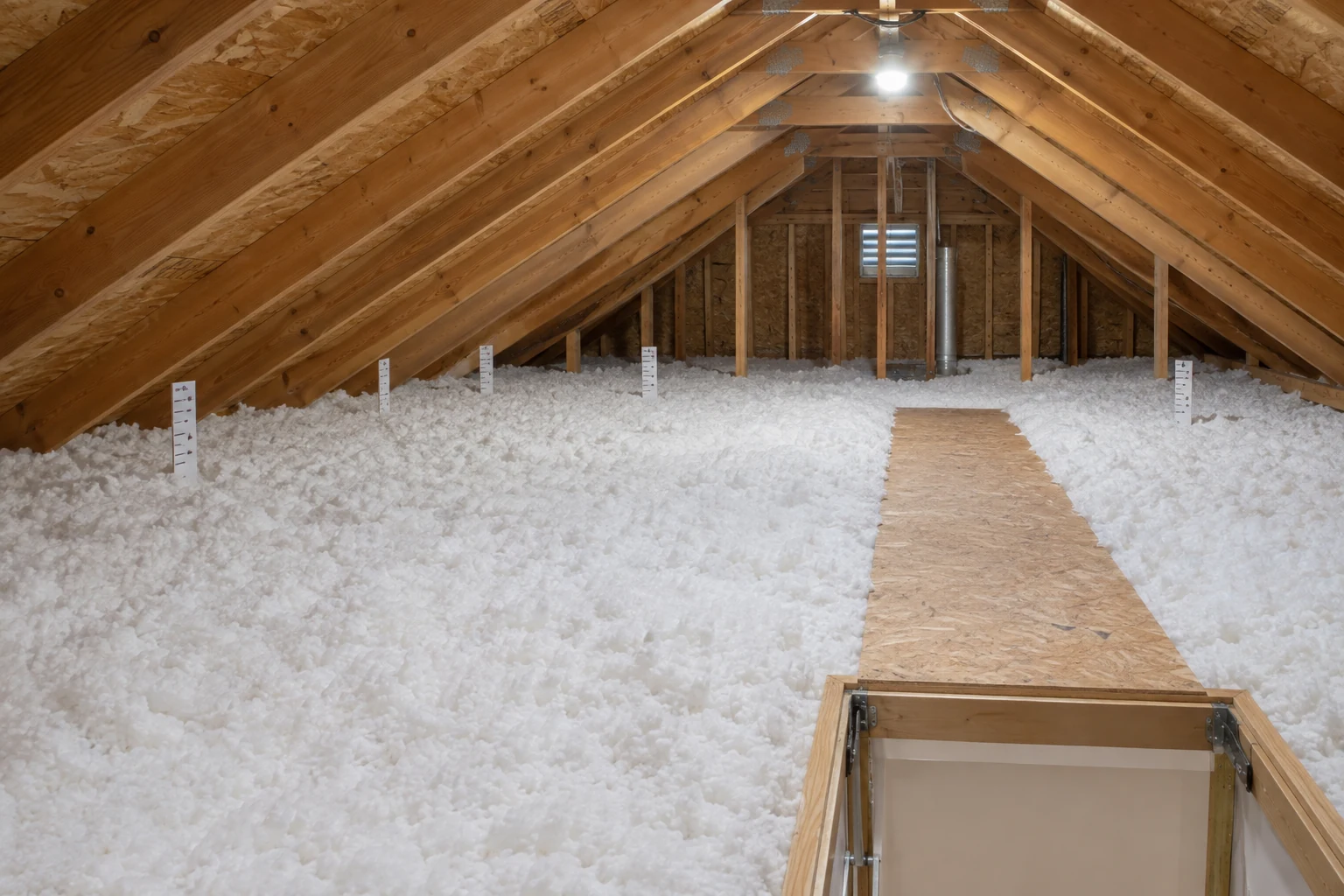
- Attic insulation removal is a scope decision: clean, dry insulation may only need a top-off.
- Contamination, moisture, heavy compression, or needed repairs are the main reasons to remove insulation.
- Never disturb suspected vermiculite or asbestos; get a qualified assessment first.
- A complete job follows a sequence: inspect, protect, remove, sanitize, proof, air seal, reinsulate.
- Compare quotes line by line, including cleanup, disposal, and air sealing.
Attic Insulation Removal FAQs
Do I need to remove old attic insulation before adding new?
Not always. If your existing insulation is clean, dry, and evenly spread, new insulation can often be added on top after air sealing. Removal is recommended when the old material is contaminated by rodents, wet, moldy, or badly compressed, because covering it traps odor and debris and reduces performance. A free inspection confirms which option fits your attic.
How long does attic insulation removal take?
Timing depends on attic size, access, material type, and how much cleanup and sanitizing is needed. Adding rodent proofing, air sealing, or new insulation extends the schedule. We give you a realistic timeline with your free estimate so you can plan around the work.
Can rodent-damaged insulation be removed safely?
Yes. Rodent-damaged insulation should be bagged or vacuumed out under containment, so droppings and fibers do not spread into the home. After removal, the attic floor is vacuumed, disinfected, and deodorized, and entry points are sealed so rodents cannot return. Homeowners should avoid handling contaminated insulation themselves.
Does an estimate include cleanup and disposal?
It should, but not every contractor includes it. Ask whether haul-away, disposal, sanitizing, and air sealing are part of the quoted price or listed as extras. A clear written estimate separates each step so you can compare contractors fairly and avoid surprise charges after the work is done.
What should I do if I suspect asbestos in my attic?
Leave it alone. Do not disturb, sweep, or vacuum the material, and limit trips into the attic. The U.S. EPA recommends treating vermiculite insulation as if it contains asbestos and hiring a trained, accredited asbestos professional for any assessment or removal. Standard insulation removal should only proceed once suspect material has been properly handled.
What R-value should new attic insulation have in Los Angeles?
The right R-value depends on your climate zone and how much insulation is already in place. U.S. Department of Energy guidance for warm climate zones generally ranges from about R-30 to R-60 for attics. We recommend the right level for your home during your free inspection.
Is attic insulation removal and replacement worth it?
It is worth it when your current insulation is contaminated, wet, or no longer performing. Replacing it restores a clean attic and a working thermal layer, and pairing it with air sealing helps new insulation perform as rated. If your insulation is still in good condition, a top-off may give you better value.
Get the Right Attic Insulation Removal Plan for Your Los Angeles Home
Attic insulation removal should solve a real problem, not create an unnecessary bill. Whether your attic needs a simple top-off, a targeted repair, or a full clean-out after rodents, the first step is an honest inspection. Los Angeles Attic Cleanup handles the full process, from removal and sanitizing to air sealing and fresh insulation, across greater Los Angeles.
Call (877) 706-9839 to schedule your free attic inspection today.
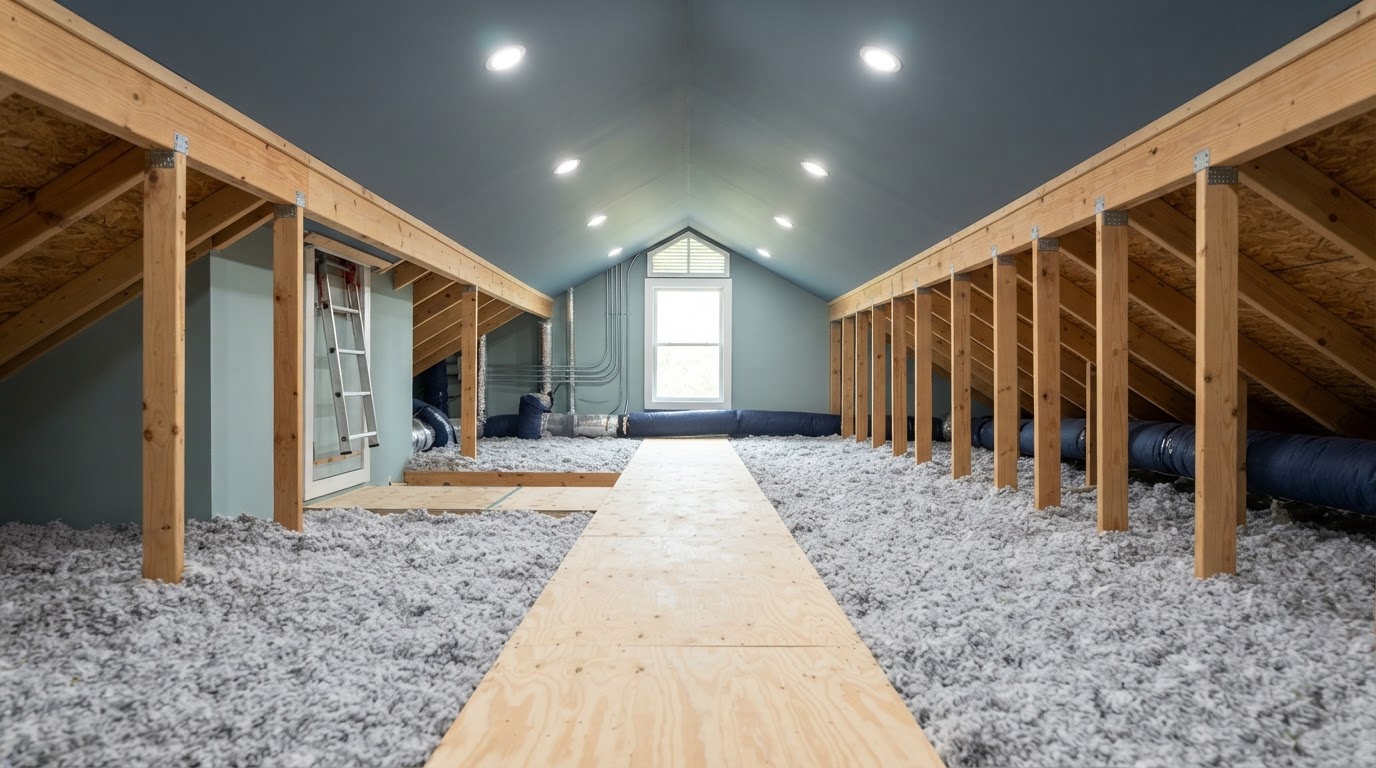
Ready for a clean, safe, energy-efficient attic?
Get a free estimate today. Same-day service available across Los Angeles.