
Attic Insulation Removal and Replacement in Los Angeles
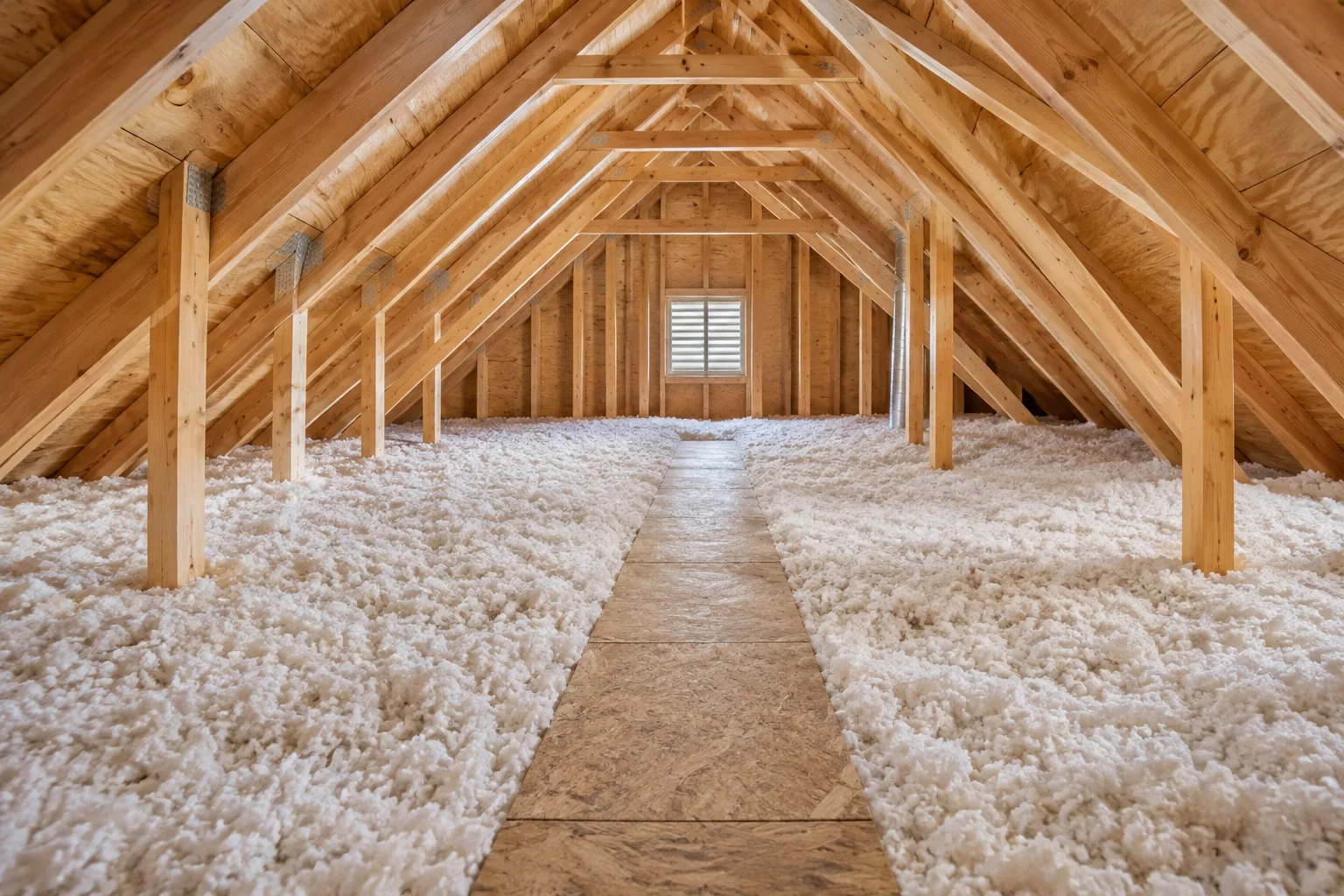
Attic insulation removal and replacement in Los Angeles should start with an inspection, not an automatic full tear-out. Wet, contaminated, or badly damaged material may need to come out; clean, dry insulation may sometimes be topped off. The right scope depends on what is in the attic, what caused the problem, and what the home needs next.
Los Angeles Attic Cleanup provides attic insulation removal and replacement, with fresh blown-in or batt insulation among the options described on its insulation service page. If you are comparing solutions for a larger attic issue, explore the company’s Los Angeles attic services or attic cleanup and decontamination information.
Need a professional assessment of your attic insulation?
Schedule an inspection to evaluate insulation depth, rodent contamination, moisture damage, and whether a top-off or removal is the right solution.
Do I need insulation removal, or can the attic be topped off?
Full removal may be appropriate when insulation is wet, visibly mold-affected, contaminated by rodent activity, or too damaged to remain useful. Clean, dry, intact material may sometimes be topped off after inspection. The right choice depends on condition, moisture source, ventilation, and the home’s insulation target. Ask for photos and a written scope before work starts.
| What the inspection finds | Possible next step |
|---|---|
| Wet material, rodent debris, significant damage, or another contamination concern | Identify and correct the underlying issue; remove affected insulation when the assessment supports it. |
| Clean, dry insulation that is thin or uneven | Consider air sealing and a top-off if the existing material and attic conditions are suitable. |
| Unknown material or suspected vermiculite | Do not disturb it. Seek qualified guidance before anyone enters or works in the affected area. |
When removal may be appropriate
- Rodent droppings, nesting material, or persistent animal-related odor are present.
- Insulation is wet or has been affected by a roof or plumbing leak. Find and repair the moisture source before new material is installed.
- Material is badly compressed, displaced, or deteriorated, or needs to be moved to inspect a separate attic problem.
- An inspection finds contamination or damage that should not be covered by new insulation.
These signs call for an assessment, not a diagnosis from a quick glance through the attic hatch. One section may look clean while a leak, pest entry point, or damaged area is hidden elsewhere. A clear inspection helps avoid paying to cover a problem that still needs attention.
When a top-off may be possible
If existing insulation is clean, dry, and in serviceable condition but coverage is low or uneven, adding material may be an option. The installer should first check for air leaks, moisture, ventilation paths, and heat-producing equipment that needs clearance. The U.S. Department of Energy’s insulation guidance explains that R-value depends on the material and its installed thickness and density, and that the right amount varies by home and climate.
What does attic insulation removal and replacement include?
A complete project should connect the inspection to the final installation. The exact scope varies with attic conditions, so the estimate should say which steps are included and which are not. Los Angeles Attic Cleanup’s current service information describes removal of contaminated insulation, attic cleaning or sanitizing, air sealing, and installation of fresh blown-in or batt insulation.
- Inspect and define the scope. Identify the insulation type and condition, signs of pests or moisture, access limits, and any concerns that require a separate specialist. Ask what the estimate covers before work begins.
- Protect the home and remove material when warranted. Confirm how the work area will be contained, how insulation will be collected, and how debris will be handled. The method should suit the material and its condition.
- Clean and address the cause. Where the project includes it, cleaning or sanitizing follows removal. Repair leaks or other sources of moisture and address pest entry before closing the attic back up.
- Air seal and install new insulation. Appropriate air leaks should be addressed before insulation is added. Learn more about attic air sealing in Los Angeles, a related part of the insulation sequence.
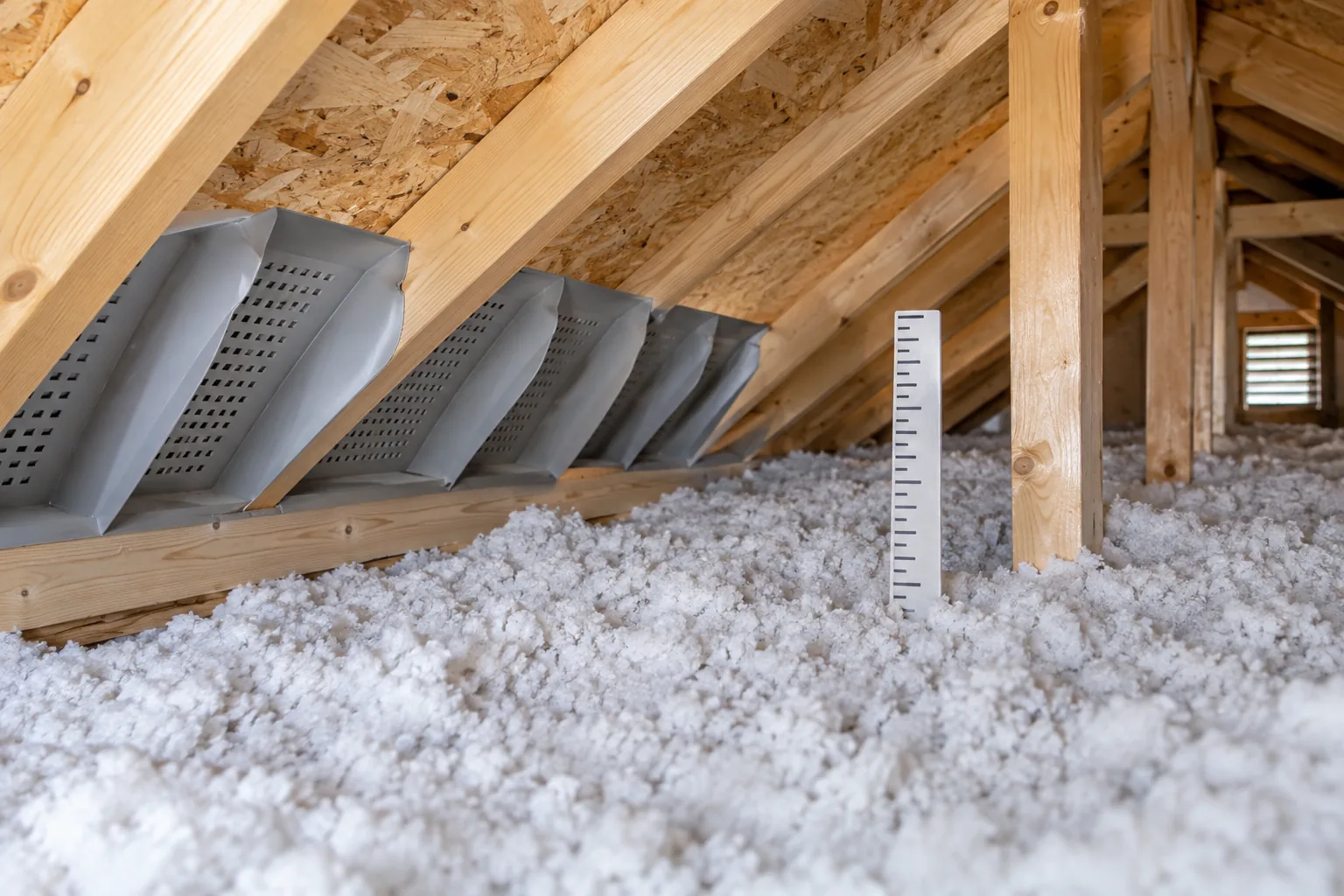
- Review the finished work. Ask how the installer checks coverage and depth, keeps ventilation paths open, and documents the completed scope.
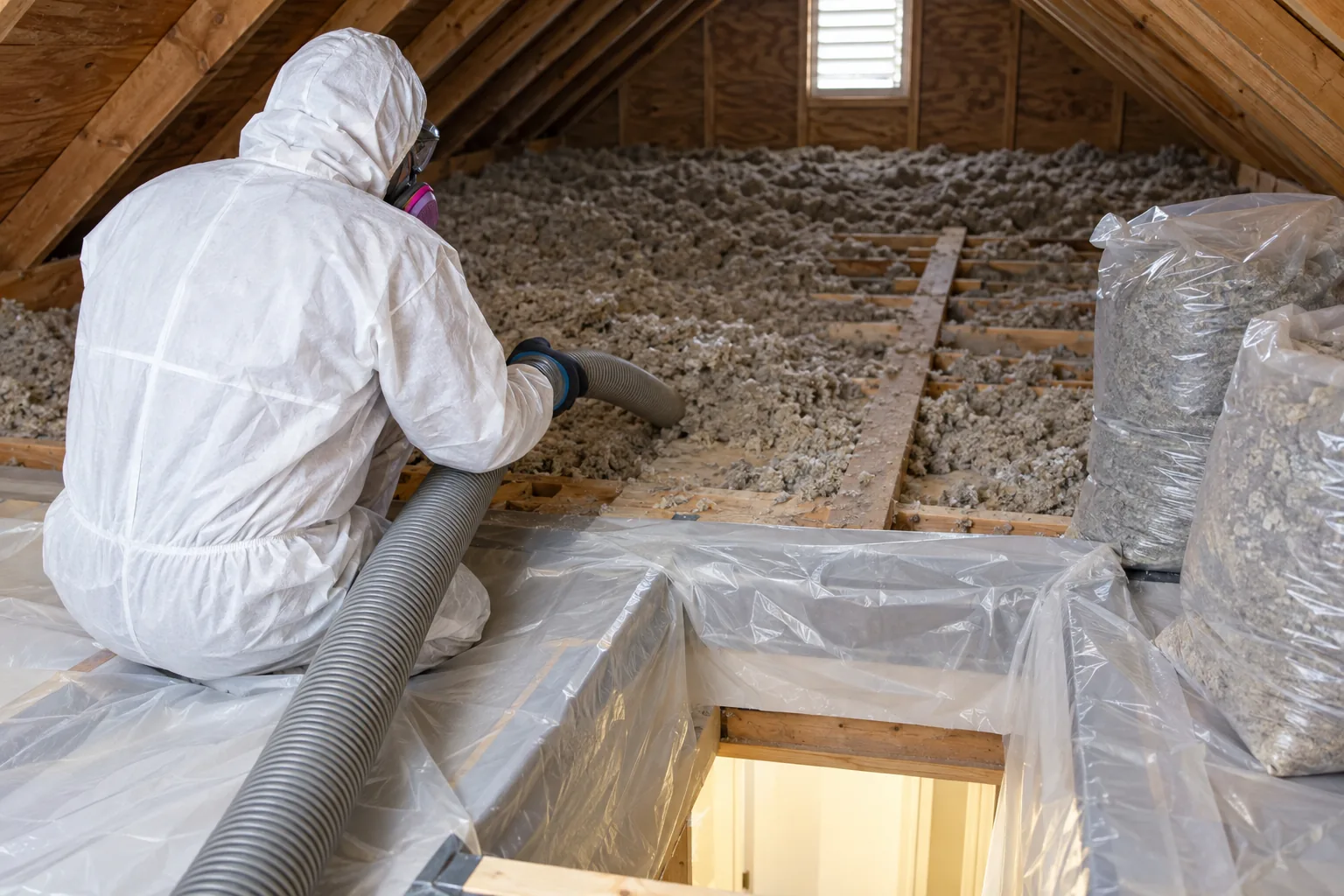
For a broader explanation of insulation performance and air sealing, see the existing attic insulation and performance guide. This page focuses on the service decision, project scope, and estimate questions rather than repeating a general insulation overview.
What affects attic insulation removal and replacement cost in Los Angeles?
There is no reliable single price for every attic. A quote can change with attic size, access, existing insulation type and volume, contamination or moisture cleanup, disposal, air sealing, and the replacement material and target. Ask for an estimate based on an inspection and a written scope, rather than comparing one headline number with another.
| Quote item | What to clarify |
|---|---|
| Removal and disposal | Which areas and materials are included, and how removed material will be handled. |
| Cleaning or sanitizing | Whether this is included, what area it covers, and what condition makes it necessary. |
| Air sealing and repairs | Which leaks or repairs are included, and which require a separate scope. |
| New insulation | Material, coverage area, target performance, installation method, and any exclusions. |
| Access and follow-up | How access affects labor, what the schedule depends on, and whether completion photos or documentation are available. |
Ask whether the contractor recommends removal or a top-off and what inspection findings support that choice. If rebates or code requirements are part of the discussion, verify current eligibility and requirements for your address before relying on them; programs and rules can change. No price, rebate, or energy-savings figure is assumed here.
Request a free estimate and ask for the proposed scope to separate removal, cleanup, air sealing, and new insulation.
Which insulation may work for a Los Angeles attic?
Los Angeles Attic Cleanup lists blown-in and batt insulation on its current service page. The better fit depends on attic layout, existing material, access, the desired thermal performance, and safe installation requirements. A qualified installer should explain the recommendation for your home rather than treating one R-value or product as right for every attic.
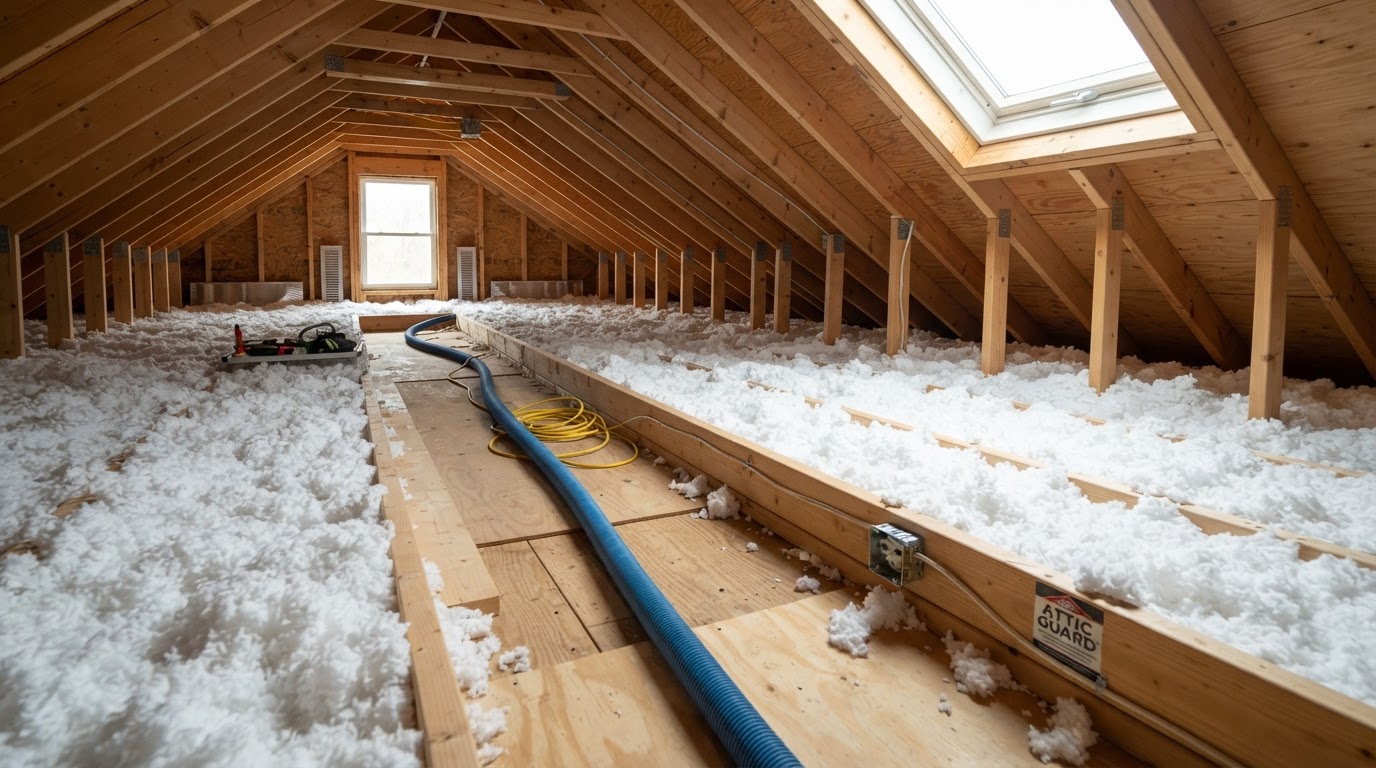
Blown-in insulation
Loose-fill insulation can be useful for covering an attic floor where the structure and access allow an even installation. The installer should account for depth, settling, edges, and ventilation. The Department of Energy notes that material, thickness, density, moisture, and installation quality all affect insulation performance.
Batt insulation
Batts may suit accessible, regular cavities where they can be fitted without gaps, compression, or obstruction. Ask how the crew will handle irregular framing and preserve access to equipment, wiring junctions, and ventilation paths.
What should homeowners know about safety and preparation?
Attics can contain dust, wiring, pests, moisture damage, and materials that need special handling. Keep children and pets away from the work area, do not walk on ceiling drywall, and ask the contractor how access, dust control, protective equipment, and debris removal will be managed. Do not attempt to disturb unknown insulation just to identify it.
Vermiculite insulation deserves special caution. The U.S. Environmental Protection Agency recommends leaving vermiculite insulation undisturbed because it may be contaminated with asbestos. If you see suspected vermiculite, do not touch, vacuum, or move it. Get advice from a trained and accredited asbestos professional before any work that could disturb it. This is a separate specialist decision, not an ordinary insulation-removal step.
Before scheduling, clear stored items only if doing so will not disturb suspect material. Tell the estimator about known roof or plumbing leaks, rodent activity, previous repairs, and any areas that should not be entered. Ask who is responsible for each repair and what must happen before new insulation goes in.
Key Takeaways
- Insulation age alone does not prove that full removal is needed.
- Wet, contaminated, or damaged material should be assessed before it is covered.
- Clean, dry insulation may be eligible for a top-off after checking the attic as a whole.
- Ask for an itemized scope covering removal, disposal, cleaning, air sealing, and replacement.
- Never disturb suspected vermiculite; follow EPA guidance and consult a qualified asbestos professional.
Attic insulation removal and replacement FAQs
How much does attic insulation removal and replacement cost in Los Angeles?
Cost depends on the attic’s size, access, insulation type and amount, contamination or moisture conditions, cleanup needs, disposal, air sealing, and the replacement material. Los Angeles Attic Cleanup’s website offers a free estimate but does not publish a single price for every project. Ask for an inspection-based, written scope so you can compare what each estimate includes.
Can new insulation be installed over old insulation?
Sometimes. A top-off may be suitable when the existing insulation is clean, dry, and serviceable and the attic has no unresolved moisture, pest, or safety issue. An inspection should also check ventilation and air leaks before adding material. If the existing insulation is wet, contaminated, or damaged, covering it may leave the underlying problem unresolved.
How long does removal and replacement take?
Timing varies with attic size, access, material volume, contamination, and whether cleaning, repairs, air sealing, or additional work is included. Ask the estimator for a schedule based on the proposed scope and whether the work requires more than one visit. The website notes same-day service availability, but appointment timing and project duration should be confirmed for your address.
What signs suggest attic insulation may be damaged?
Look for visible water staining, wet or compressed material, rodent droppings or nesting, displaced insulation, or persistent odors. These signs do not establish the cause on their own. A professional inspection can check the affected area and nearby roof, plumbing, ventilation, or pest-entry conditions before recommending removal, cleaning, repair, or a top-off.
What should I do if I suspect asbestos in attic insulation?
Do not touch, move, sample, or vacuum it. EPA guidance says vermiculite insulation may contain asbestos and should be left undisturbed. Avoid work that could disturb it and contact a trained, accredited asbestos professional for guidance. Suspected vermiculite needs a qualified assessment and handling plan, not routine insulation removal.
What insulation options are available for Los Angeles attics?
The client’s current service page lists blown-in and batt insulation. Which option fits depends on the attic’s layout, existing material, installation conditions, and target performance. Ask the contractor to explain the proposed material, coverage, and depth, and to confirm applicable requirements for the specific home rather than relying on a blanket R-value.
What should an attic insulation estimate include?
Ask for the inspected condition, recommended approach, areas included, removal and disposal details, any cleaning or air sealing, replacement material and target, preparation needs, exclusions, and expected schedule. Request before-and-after photos or other completion documentation if available. A written scope makes it easier to compare estimates and understand why removal or a top-off was recommended.
Request a Los Angeles attic inspection
The right attic insulation project begins by identifying what is wrong, what can stay, and what the estimate actually covers. Los Angeles Attic Cleanup serves Los Angeles and surrounding areas and offers free estimates. Share what you have noticed and ask for the proposed work to be explained step by step.
Request a free attic estimate or call (877) 706-9839 to discuss attic insulation removal and replacement in Los Angeles.
Ready for a clean, safe, energy-efficient attic?
Get a free estimate today. Same-day service available across Los Angeles.