
Attic Air Sealing in Los Angeles: What It Includes and When to Do It
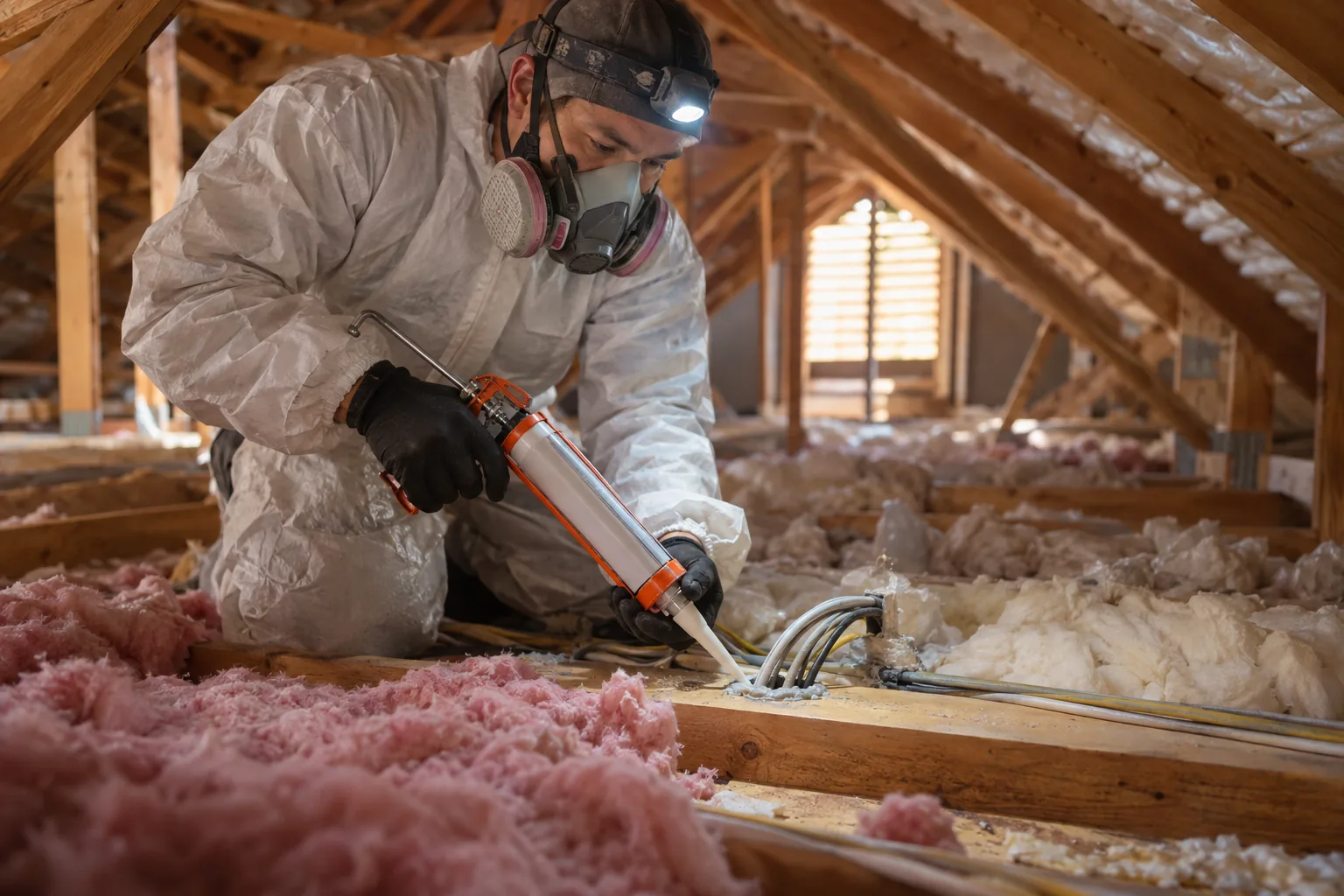
Air sealing the attic is one of the quieter upgrades a Los Angeles home can get, and one of the most misunderstood. Many homeowners assume a hot upstairs bedroom or a dusty hallway means they need more insulation. Often the real issue is air moving through gaps between the living space and the attic. At Los Angeles Attic Cleanup, we treat attic air sealing as an inspection-led job: find the meaningful leak paths, check for conditions that need attention first, seal what should be sealed, and then coordinate insulation if your attic needs it.
This page explains what attic air sealing does, where leaks usually hide, what a professional visit should include, and what changes the price. If you already know you want an expert opinion, call (877) 706-9839 for a free, no-obligation estimate.
What Does Attic Air Sealing Do?
Attic air sealing closes gaps between your living space and the attic so conditioned air moves through fewer uncontrolled openings. A professional visit should first check for moisture, ventilation, electrical, and combustion-safety concerns, then seal appropriate leak paths before new insulation is added when insulation is part of the scope.
- Inspect the attic and note safety or moisture concerns.
- Locate and prioritize the larger leak paths.
- Seal each opening with a material suited to its location.
- Restore or install insulation where the plan calls for it.
Air Sealing vs. Insulation
Insulation and air sealing do different jobs. Insulation slows heat moving through the attic floor, measured as R-value. Air sealing stops air itself from passing through holes and seams. Insulation laid over an open gap can still let air drift through it, which is why dirty, darkened patches of insulation often mark a leak underneath. The two work best together, in the right order.
What Homeowners May Notice
ENERGY STAR lists several common signs that a home may benefit from an attic air sealing project:
- Drafty rooms or uneven temperatures between rooms
- Higher than expected heating or cooling bills
- Dust buildup, especially in rooms directly under the attic
- Upstairs rooms that stay hot during Los Angeles summers
None of these symptoms prove an air leak on their own. They are reasons to inspect, not a diagnosis.
Where Can Attic Air Leaks Occur?
The biggest leaks are rarely the obvious ones. According to the ENERGY STAR attic air sealing guide, homeowners get the most benefit from plugging large openings first, such as dropped soffits, open wall cavities, and spaces behind kneewalls, rather than chasing every pinhole.
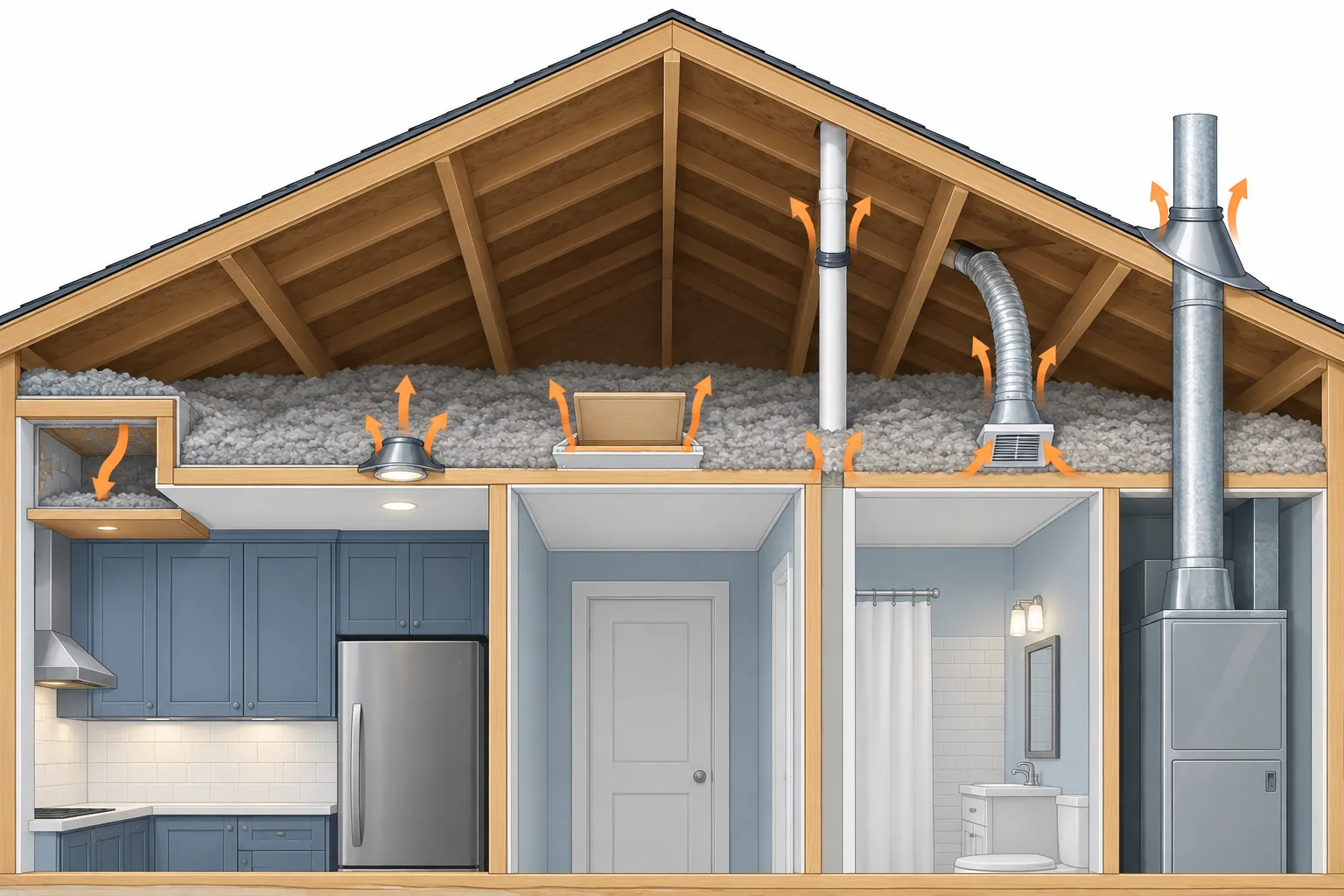
| Leak location | What we check | What affects the repair |
|---|---|---|
| Attic hatch or access door | Gaps around the frame, missing weatherstripping, uninsulated lid | Hatch size and condition |
| Top plates (where walls meet the attic floor) | Dirty insulation along wall lines, open seams | Number of wall lines, insulation depth |
| Dropped soffits over cabinets or tubs | Open framing cavities leading into the attic | Size of openings, need for rigid blocking |
| Recessed lights | Fixture type and airflow around housings | Whether fixtures are rated for insulation contact |
| Wiring and plumbing penetrations | Holes drilled through the top plate or ceiling | Gap size (caulk vs. foam) |
| HVAC duct boots and bath fans | Gaps where ducts meet the ceiling drywall | Duct condition, access around the boot |
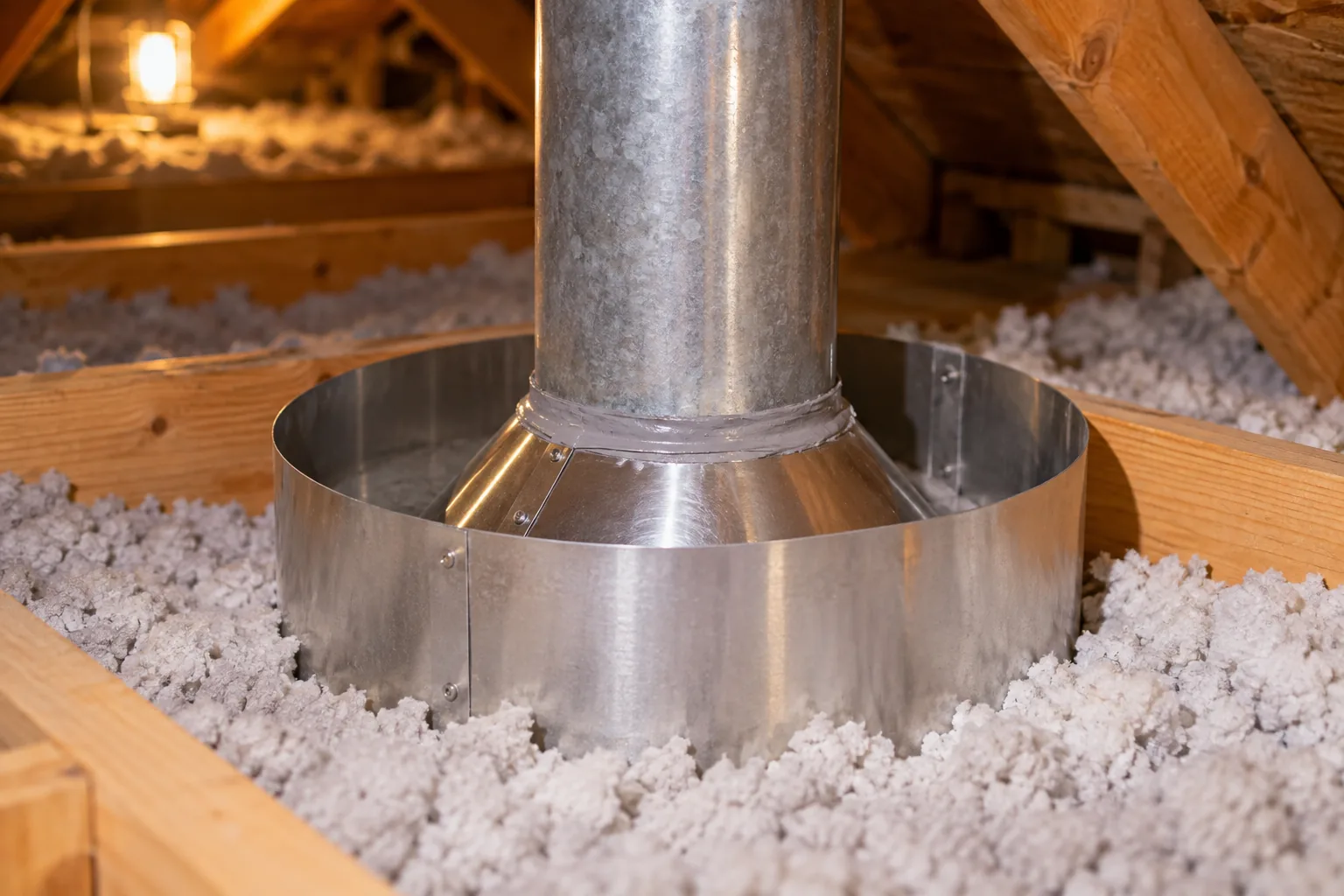
| Furnace flues and chimneys | Clearance to combustibles, open chase around the pipe | Need for metal flashing and high-temperature sealant |
Attic Hatch, Top Plates, and Dropped Soffits
These are often the largest pathways. A hatch with no seal acts like a small open window into the attic. Dropped soffits above kitchen cabinets or bathroom vanities can hide open framing that connects directly to wall cavities below, and top plates can carry many small drilled holes along every wall.
Recessed Lights, Wiring, Plumbing, and Duct Boots
Every hole drilled for a wire, pipe, or duct is a potential leak. Small gaps are usually sealed with caulk, while larger ones may need foam or a backer. Recessed lights need extra care, because older fixtures may not be rated for contact with insulation or sealant.
Chimney or Flue Clearances and Other Special Conditions
Flues and chimneys get hot, so they cannot be sealed with ordinary foam. ENERGY STAR advises sealing these gaps with metal flashing and heat-resistant caulk and building a metal dam to keep insulation away from the pipe. This is work best left to a professional.
Not sure which of these apply to your home? Book a free attic air sealing inspection and we will walk you through what we find.
What Does Professional Attic Air Sealing Include?
Every attic is different, so the scope should come from the inspection, not a one-size package. A typical professional attic air sealing visit includes:
- Leak inspection: reviewing the attic floor, wall lines, penetrations, and access points for signs of air movement. Photo documentation of findings.
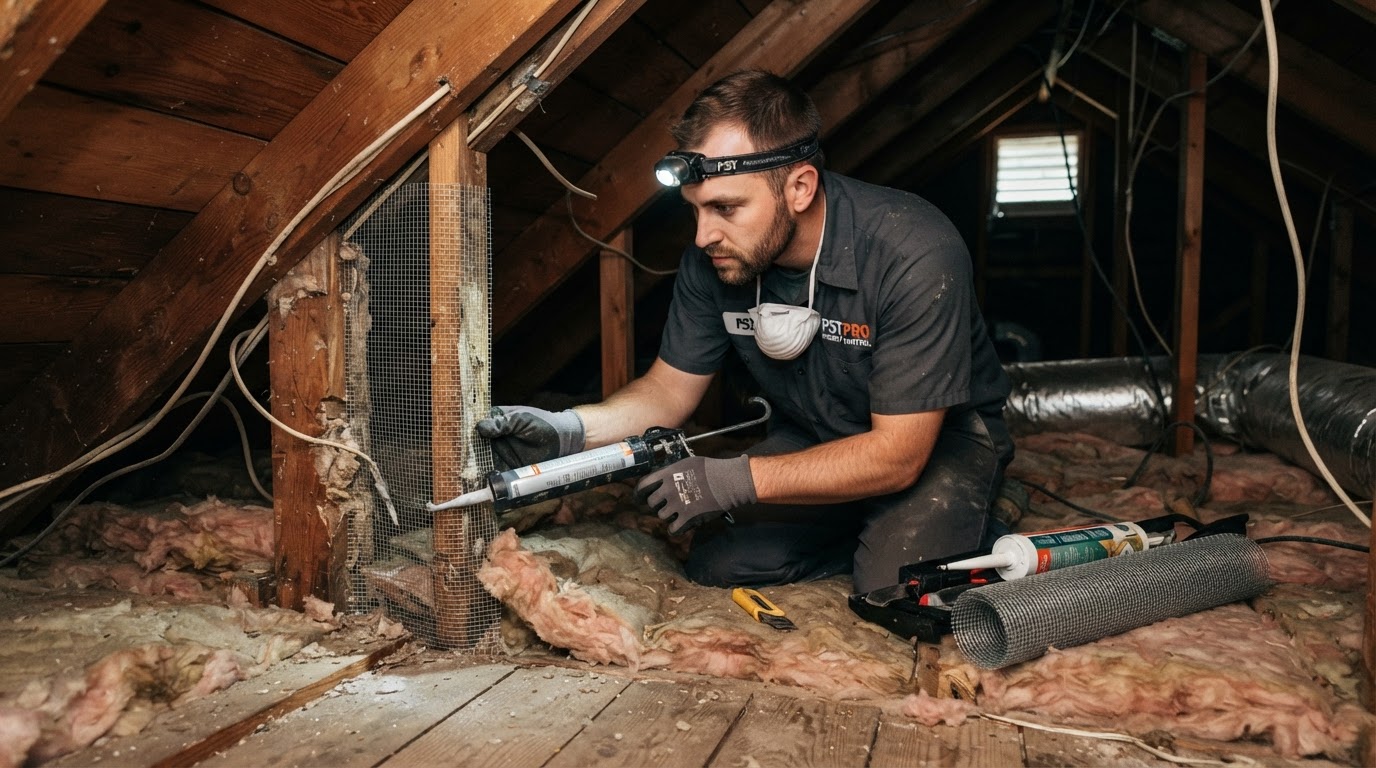
- Sealing by location: caulk for small gaps, expanding foam for larger openings, rigid blocking for soffits and open cavities, weatherstripping for the hatch, and metal flashing with high-temperature sealant around flues.
- Moisture pathway review: noting signs of condensation, roof leaks, or vents that exhaust into the attic.
- Insulation readiness: leaving the attic floor sealed and ready for new or restored insulation.
What Is Excluded or Referred for Separate Repair
Some problems sit outside an air sealing scope. Roof leaks, unsafe wiring, damaged ductwork, and suspected asbestos-containing materials need their own plan or a qualified specialist. Where they relate to our attic services, such as attic cleanup, duct repair, or radiant barrier installation, we can explain the options in the same estimate.
What Should Be Checked Before Sealing an Attic?
Sealing an attic changes how air moves through a home, so some checks come first. Skipping them can trap moisture or create safety problems.
Moisture, Roof Leaks, and Damaged Insulation
Wet or stained insulation, damp framing, or mold growth usually point to a roof or ventilation issue. Those causes should be fixed before sealing, otherwise the moisture problem can get worse.
Combustion Equipment, Flues, and Ventilation
If your home has gas appliances such as a furnace or water heater, ENERGY STAR recommends having them tested to confirm they draft properly before and after sealing. A tighter house can, in some cases, cause naturally vented appliances to back-draft. Kitchen, bath, and dryer vents should also exhaust outdoors, not into the attic.
Suspected Vermiculite or Unsafe Wiring: Stop and Get Qualified Help
Vermiculite is a gray, pebble-like loose fill that may contain asbestos. It should not be disturbed until a lab confirms it is safe. Knob-and-tube wiring found in some older homes can be a fire hazard when covered by insulation. If either shows up, the job pauses until the right specialist has assessed it.
What Is the Correct Order: Air Sealing or Insulation?
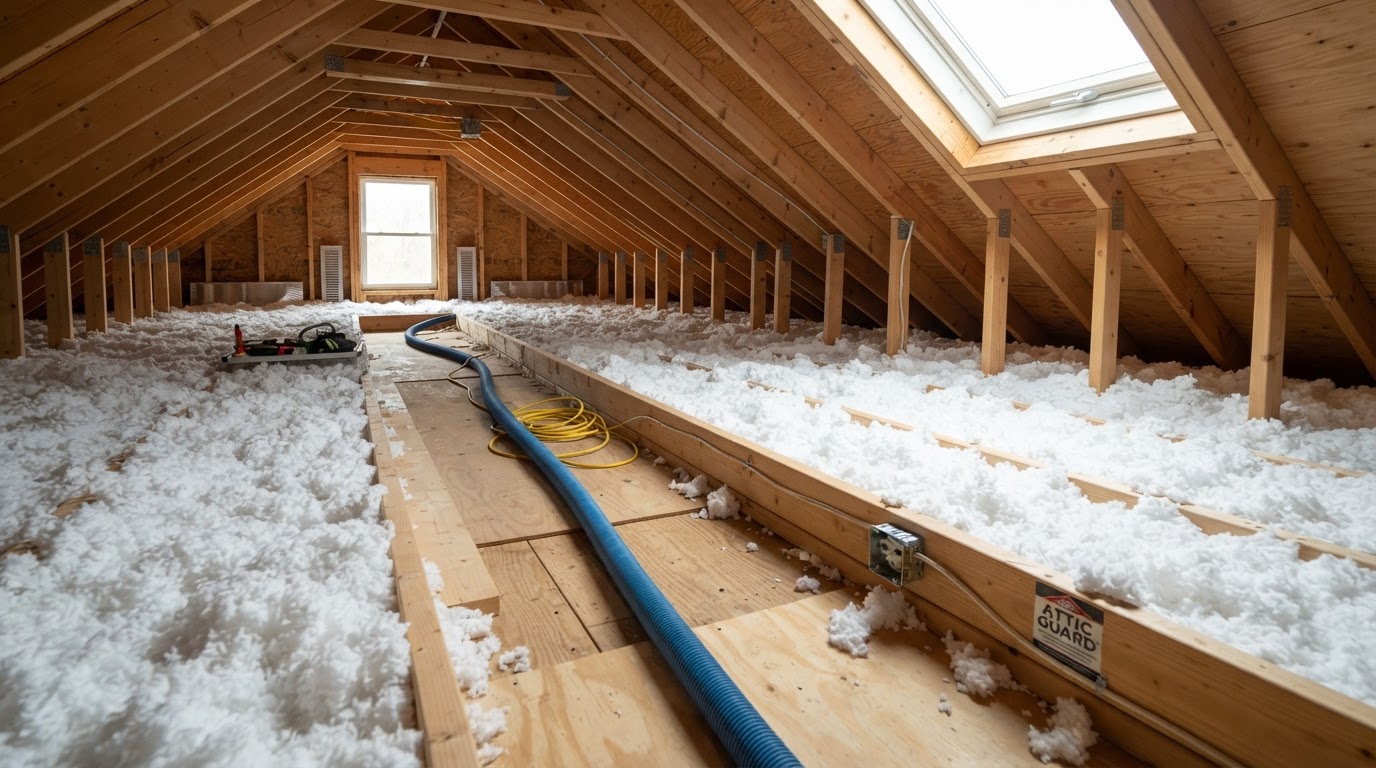
Inspect first, address safety and moisture second, air seal third, and insulate last. Sealing before insulating lets the new insulation do its job instead of covering open leak paths. It is also far easier to reach leaks before fresh insulation is installed.
When Existing Insulation Can Be Moved and Replaced
Clean, dry insulation can often be pushed aside, the gaps sealed, and the material put back. ENERGY STAR notes that insulation darkened by filtered dust is generally still usable once the leak beneath it is sealed.
When Contaminated or Wet Insulation Needs a Separate Plan
Insulation soaked by roof leaks or contaminated by rodent droppings and urine is a different story. In those attics, we typically recommend attic insulation removal and replacement, with air sealing completed on the exposed attic floor before fresh insulation goes in. If rodents caused the damage, rodent proofing should seal their entry points too, since those are a separate set of openings from the ceiling-level air leaks.
What Affects Attic Air Sealing Cost in Los Angeles?
We do not publish a flat price, because two attics of the same size can need very different work. The main cost factors are:
- Attic size and how easy it is to access and move around in
- Number and type of leak locations
- Depth and condition of existing insulation
- Contamination, moisture, or damage that changes the order of work
- Whether insulation removal, replacement, or other attic services are bundled
Air Sealing Only vs. Sealing Plus Insulation
| Scope | Best fit | Typical work |
|---|---|---|
| Air sealing only | Clean, dry insulation at a reasonable depth | Move insulation aside, seal leak paths, restore insulation |
| Air sealing plus insulation top-up | Clean insulation that is thin or settled | Seal first, then add insulation to the recommended level |
| Air sealing plus removal and replacement | Wet, contaminated, or rodent-damaged insulation | Remove old material, sanitize, seal, install fresh insulation |
What a Written Estimate Should Itemize
A clear estimate should list the leak locations to be sealed, the materials planned for each, any insulation work, items excluded or referred elsewhere, and any conditions that could change the scope once work starts.
How Does a Los Angeles Attic Air Sealing Visit Work?
Inspection and Scope Review
We start by inspecting the attic and reviewing what we find with you: leak locations, insulation condition, and any safety or moisture concerns. You get a free, no-obligation estimate based on your actual attic.
Sealing and Insulation Coordination
Once the scope is agreed, we seal the priority leak paths with location-appropriate materials. If insulation work is included, sealing happens first so the new material can perform as rated. Timing depends on attic size and scope; many projects finish in a single day.
Photos, Cleanup, and Handoff
At the end of the job, we clean up the work area and walk you through what was done. Before-and-after photos of sealed areas help you see the work in a space you rarely visit.
Key Takeaways
- Attic air sealing stops air movement; insulation slows heat flow. You usually need both.
- The largest leaks hide at top plates, dropped soffits, hatches, penetrations, and flues.
- Moisture, combustion safety, vermiculite, and wiring must be checked before sealing.
- Seal first, then insulate, so new insulation is not covering open leak paths.
- Cost depends on access, leak count, and insulation condition, so get an itemized estimate.
Get a Clear Plan for Attic Air Sealing in Los Angeles
Attic air sealing is most effective when it is done in the right order, with the right materials, after the right safety checks. If your home has drafty rooms, a stubborn hot upstairs, or old insulation you are thinking about replacing, an inspection is the best first step. Read our homeowner guide to attic insulation performance for more on sequencing, or see what happens in attic cleanup after an animal problem.
Ready to find out what your attic needs? Call Los Angeles Attic Cleanup at (877) 706-9839 to schedule your free attic air sealing estimate.
Ready for a clean, safe, energy-efficient attic?
Get a free estimate today. Same-day service available across Los Angeles.